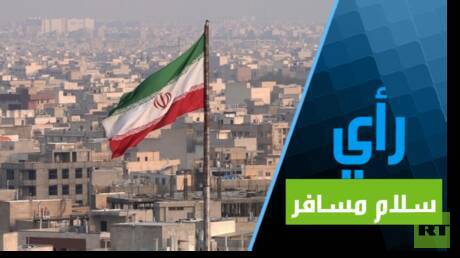
As the conflict enters its thirty-third day, the intensity of destruction and chaos rises, while the involved parties remain determined to achieve their objectives. The situation is marked by increasing complexity and tension, with events unfolding rapidly, raising concerns about the future of the region.
Material and human damages are escalating, with reports indicating a rise in casualties and destruction of infrastructure, reflecting the depth of the crisis facing the country. At the same time, the conflicting parties continue to seek strategic gains, further complicating the situation.
Details of the Event
Information indicates that the conflict has resulted in widespread destruction, with many vital areas affected. Images and videos circulated on social media depict horrific scenes of devastation, illustrating the scale of the humanitarian disaster unfolding day by day.
Under these circumstances, international calls for a ceasefire are increasing, but it seems that the involved parties remain steadfast in their positions, intensifying the tension. There is also growing concern about the conflict's impact on regional security, as the continuation of fighting may lead to adverse repercussions for neighboring countries.
Background & Context
This escalation occurs within a complex historical context, as the region has witnessed multiple conflicts over the years. Previous attempts to reach peaceful solutions have often faltered due to political tensions and deep-seated differences among the parties.
Historically, there have been similar crises in the region, where conflict has exacerbated humanitarian conditions and increased civilian suffering. These crises highlight the urgent need for lasting and comprehensive solutions that consider the interests of all parties involved.
Impact & Consequences
The repercussions of the conflict extend beyond national borders, potentially affecting regional stability as a whole. The continuation of fighting is likely to lead to a flow of refugees into neighboring countries, increasing pressures on those nations and impacting their stability.
Moreover, the conflict may open the door to external interventions, complicating the situation further and making it difficult to reach peaceful solutions. These dynamics could lead to a greater escalation in the conflict, threatening both regional and international security.
Regional Significance
The Arab region is in dire need of avoiding further conflicts, as many countries are already grappling with internal and external crises. The continuation of the conflict in this country could affect relations among Arab nations and exacerbate existing divisions.
Under these circumstances, Arab countries and the international community must work together to find peaceful solutions that ensure regional stability and alleviate civilian suffering. Regional and international cooperation is the only way out of this crisis.
In conclusion, there remains hope that the international community can pressure the involved parties to reach an agreement that achieves peace and puts an end to the escalating humanitarian suffering.