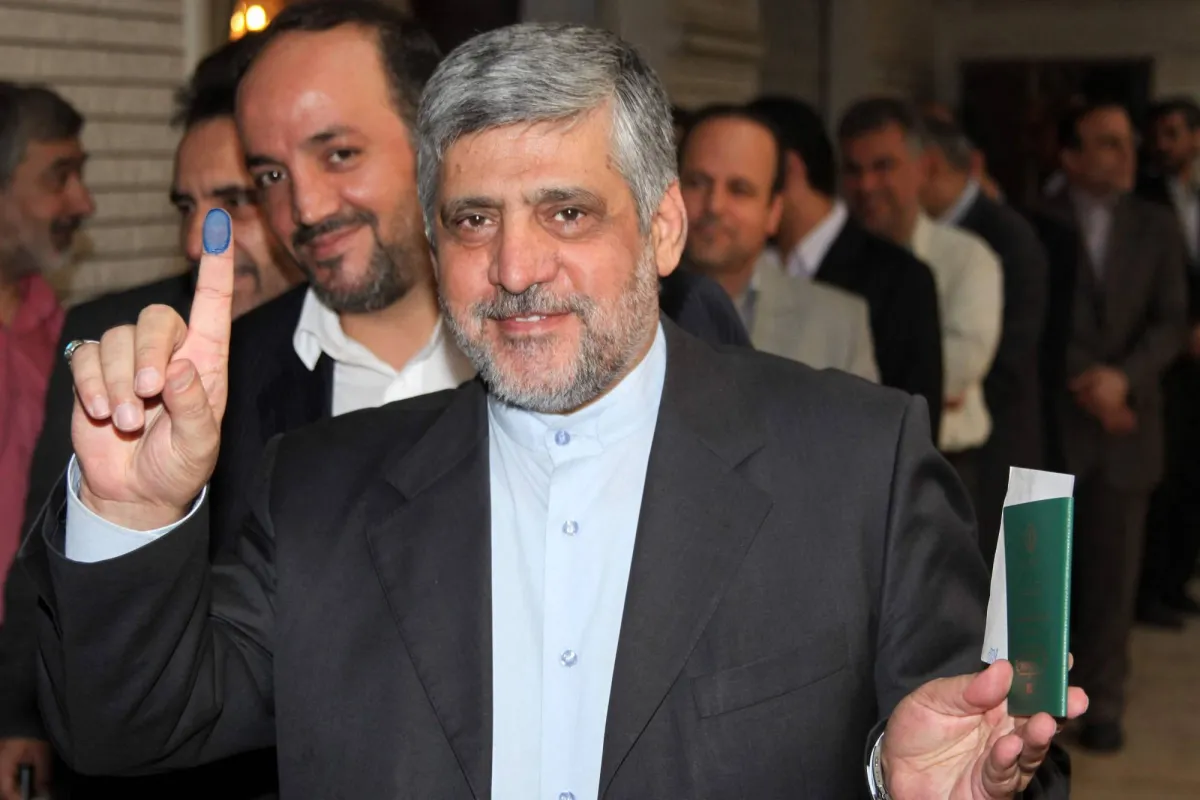
Lebanon's relations with Iran are experiencing heightened diplomatic tensions, as the Lebanese government has declared the withdrawal of recognition for the appointed Iranian ambassador, Mohammad Reza Shibani, labeling him as 'persona non grata.' This decision comes at a time when Tehran is firmly insisting on the ambassador's retention in his position, reflecting the escalating disagreements between the two sides.
After the deadline set by the Lebanese Ministry of Foreign Affairs for Ambassador Shibani to leave the country expired, Iranian Foreign Ministry spokesperson Ismail Baqaei confirmed that the ambassador would remain in Beirut and would not leave as requested by the Lebanese government. An Iranian diplomatic source indicated that Shibani would continue to perform his duties, highlighting the support he receives from both Speaker of the Parliament Nabih Berri and Hezbollah.
Details of the Incident
The Lebanese government based its decision on Article 9 of the Vienna Convention on Diplomatic Relations, which allows countries to declare any diplomat as 'persona non grata.' The Lebanese Foreign Ministry clarified that the decision was a result of diplomatic violations, primarily interference in the internal affairs of the country, in addition to conducting unofficial meetings.
In a move reflecting the escalating tension, Beirut summoned its ambassador in Tehran, Ahmed Suwaydan, for consultations. This escalation comes at a time when both Hezbollah and the Amal Movement have expressed their dissatisfaction with the withdrawal of recognition, as ministers from both parties boycotted a cabinet session, reflecting an internal division regarding the management of relations with Tehran.
Background & Context
The Lebanese-Iranian relations are complex, with Tehran playing a significant role in supporting Hezbollah, which is one of the main political forces in Lebanon. This support reflects intricate internal balances, as both Hezbollah and the Amal Movement strive to maintain their influence amid external pressures.
Historically, the relations between Lebanon and Iran have witnessed numerous fluctuations, with Tehran consistently seeking to enhance its presence in the region through supporting its allies. However, the recent decision by the Lebanese government indicates a shift in Lebanese policy towards Iranian interventions, which may affect future relations between the two sides.
Impact & Consequences
This tension could lead to negative repercussions on internal stability in Lebanon, potentially increasing political divisions and enhancing instability. Furthermore, the continued presence of the Iranian ambassador in Lebanon despite the government's decision may reflect a challenge to Lebanese state sovereignty, which could provoke reactions from other political forces.
Additionally, this situation may impact Lebanon's relations with Western and Arab countries, as the Lebanese government might be perceived as unable to enforce its sovereignty, which could affect the external support the country needs amid the current economic and political crises.
Regional Significance
This crisis is part of the broader conflict between Iran and Arab states, as Tehran seeks to enhance its influence in the region. This conflict could affect regional security, especially amid ongoing tensions between Iran and the United States and its allies in the region.
In this context, these developments may increase pressure on the Lebanese government, potentially limiting its ability to make independent decisions. Moreover, the continuation of this tension could open the door for further external interventions in Lebanese affairs, reflecting the significant challenges facing the country.