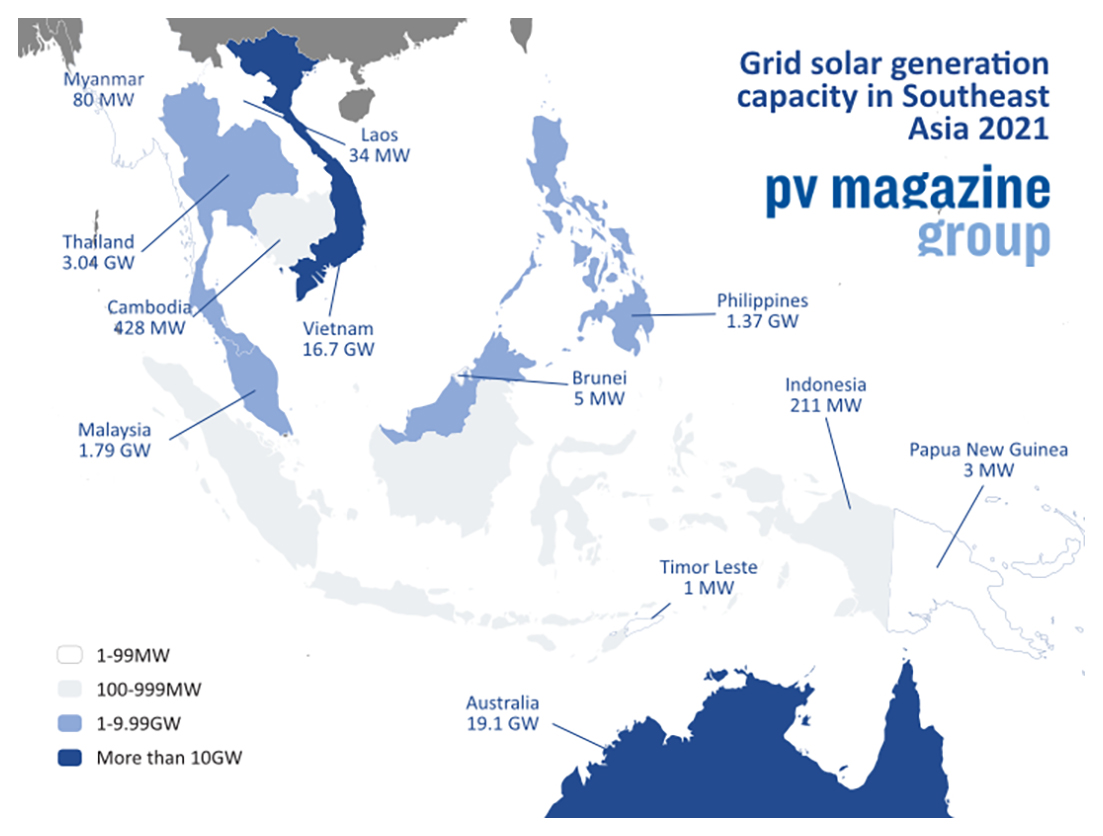
The energy crisis in Southeast Asia continues to escalate due to the ongoing conflict in Iran, where the closure of the Strait of Hormuz has caused significant disruptions in oil and gas supplies. This crisis directly impacts the lives of millions in the region, as oil prices have surged to unprecedented levels, prompting governments to take urgent measures to mitigate its effects.
According to data from the U.S. Energy Information Administration, approximately 84% of crude oil and 83% of liquefied natural gas passing through the strait is directed towards Asian markets. With the closure of the strait, oil prices have risen to over $100 per barrel, the highest level in years.
Current Market Conditions
Currently, the prices of Brent crude futures hover around $110 per barrel, while West Texas Intermediate crude exceeds $111 per barrel. This price increase has significantly affected the economies of Southeast Asian countries, driving them to implement energy rationing measures and adopt remote work policies.
Indonesia is among the hardest-hit countries, having lost approximately $115.5 billion in market value. Thailand follows with a loss of $48.9 billion, while the Philippines and Vietnam each lost over $16 billion. Singapore's Prime Minister has warned of dire consequences if energy supply disruptions continue.
Background & Context
Historically, the Strait of Hormuz is one of the world's most critical maritime passages, accounting for about 20% of global oil supplies. The current conflict between Iran, Israel, and the United States has heightened tensions in the region, affecting the stability of global markets.
Countries like Malaysia are striving to maintain fuel subsidies despite rising prices, having set a price ceiling of 1.99 ringgit per liter for subsidized gasoline. However, this policy raises concerns about its sustainability amid escalating global prices.
Impact & Consequences
Governments in the region anticipate that this crisis will exacerbate fiscal deficits, with Malaysia's Ministry of Finance warning that fuel subsidies could reach 4 billion ringgit monthly. In Indonesia, restrictions on fuel consumption have been implemented, with a maximum limit set for gasoline purchases for private vehicles.
Moreover, sectors such as tourism have been significantly affected, with tourist transport prices allowed to rise by up to 80% in Malaysia. These measures aim to alleviate pressure on government budgets, but they may lead to increased burdens on citizens.
Regional Significance
The energy crisis in Southeast Asia is a vital issue affecting the region's economic and social stability, necessitating international attention. The ongoing conflict and its repercussions on energy supplies highlight the interconnectedness of global markets and the importance of regional cooperation in addressing such crises.
In conclusion, the energy crisis in Southeast Asia underscores the need for robust strategies and collaborative efforts among nations to ensure energy security and economic resilience in the face of ongoing geopolitical challenges.