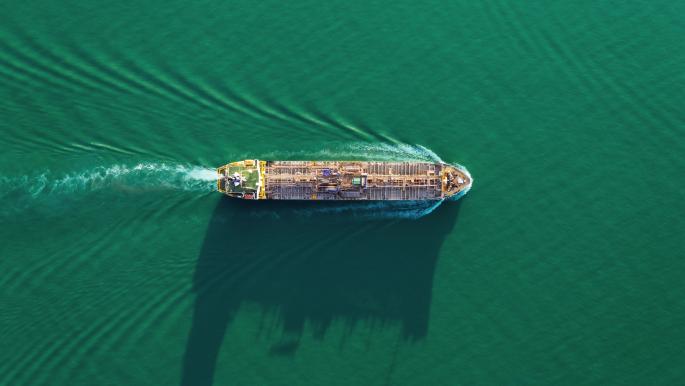
The ongoing war in the region exacerbates the global energy crisis, threatening vital oil and gas supplies through the Strait of Hormuz and highlighting the fragility of the global economy.
European energy markets are among the hardest hit by the military escalation, with significant increases in oil and gas costs. This comes at a time when the global economy is still reeling from the impacts of the COVID-19 pandemic, adding pressure on European countries that heavily rely on energy imports.
Details of the Situation
Concerns are mounting over the potential closure of the Strait of Hormuz, a critical transit point for approximately 20% of global oil supplies. Reports indicate that any threat to close this strait could lead to a substantial spike in oil prices, adversely affecting the economies of European nations already grappling with rising living costs.
Simultaneously, attention is turning to how European countries will respond to this crisis. Some nations have begun exploring alternative energy sources, including increasing investments in renewable energy, but these solutions require a significant amount of time to become effective.
Background & Context
Historically, the region has experienced ongoing tensions due to political and military conflicts, impacting the stability of energy markets. These conflicts have led to a greater reliance on alternative energy sources, yet challenges remain.
In recent years, oil prices have experienced significant fluctuations due to geopolitical events, making European countries more sensitive to any escalation in the region. As tensions rise, experts predict that these fluctuations will continue to impact the global economy.
Impact & Consequences
Economic reports predict that the current energy crisis will lead to increased inflation in European countries, affecting citizens' purchasing power. Additionally, rising energy prices may slow economic growth, further increasing pressure on governments.
Moreover, the impact of this crisis will not be limited to Europe; it will extend to global markets, potentially leading to increased instability in financial markets. Analysts expect significant market fluctuations in the coming period due to these conditions.
Regional Significance
Oil-producing Arab countries find themselves in a delicate position, as they could benefit from rising oil prices, yet they also face challenges related to political and security stability. Any escalation in the region could impact their investments and trade relations with European countries.
Under these circumstances, Arab nations must consider new strategies to enhance the stability of energy markets, including strengthening regional cooperation and developing renewable energy sources.
The escalation of the energy crisis due to the war in the region highlights the fragility of the global economy and underscores the importance of seeking sustainable solutions to face future challenges.