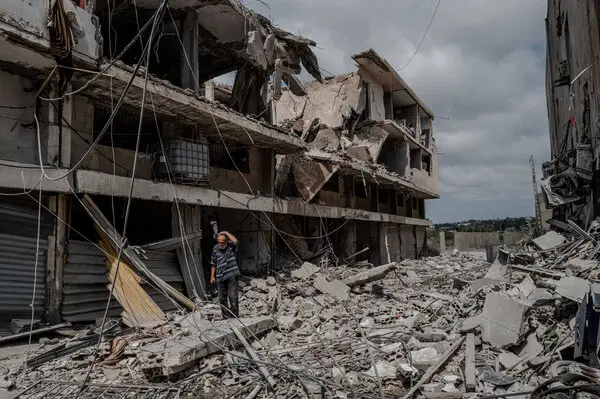
Lebanon is experiencing a surge in fighting between Israel and Hezbollah, with citizens increasingly frustrated over the prospects of peace. Despite talks of potential agreements between the United States and Iran, the military situation remains tense. Since the announcement of a ceasefire last April, fighting has not ceased, as Israel continues to bombard southern and eastern regions of the country.
Israeli airstrikes persist, with drones flying over the skies of Beirut, while Hezbollah retaliates by launching rockets at Israeli forces. As the death toll rises, many Lebanese feel that peace is out of reach and that any diplomatic efforts will yield no tangible results.
Details of the Conflict
The intensity of fighting in Lebanon is increasing, with Israel issuing evacuation orders for two cities in the south, reflecting its intention to expand military operations. Ghinwa Fattouni, 42, from the village of Bisariyeh, stated, "I do not trust Israel or the United States", highlighting the mounting pressures citizens face due to ongoing bombardments. These sentiments reflect the widespread frustration among Lebanese after years of conflict.
Despite the declared ceasefire, fighting has not ceased, raising questions about the effectiveness of any potential agreements. Many believe that the situation in Lebanon could deteriorate further, especially with ongoing foreign interventions affecting the country's fate.
Background & Context
Historically, Lebanon has suffered from successive crises, being a stage for multiple conflicts often intertwined with regional and international interests. Since the outbreak of the Lebanese Civil War in the 1970s, the country has experienced periods of calm interspersed with new crises and conflicts. In recent years, tensions between Israel and Hezbollah have escalated, leading to increased fighting.
Iran is considered the main supporter of Hezbollah, complicating any negotiations regarding peace in the region. Under these circumstances, it seems that the Lebanese are living in a state of uncertainty, with their future depending more on external developments than on their local leadership.
Impact & Consequences
The current situation in Lebanon affects regional stability, as any escalation in fighting could have serious repercussions for neighboring countries. Additionally, the ongoing conflict may increase the flow of refugees to neighboring states, placing further pressure on these countries.
Moreover, any agreement between the United States and Iran could significantly impact the dynamics of the conflict in Lebanon. If an agreement is reached, Hezbollah's position may change, affecting its military strategy. However, doubts about the feasibility of these agreements remain.
Regional Significance
The situation in Lebanon is part of a larger picture encompassing conflicts in the Arab region. The ongoing conflicts in Lebanon, Syria, and Palestine reflect increasing regional tensions. These conditions also affect security and stability in other Arab countries, necessitating a response from the international community.
In conclusion, the Lebanese face significant challenges amid ongoing fighting and uncertainty about the future. The hope for peace seems to be fading, highlighting the need for radical solutions that address the root causes of the conflict.