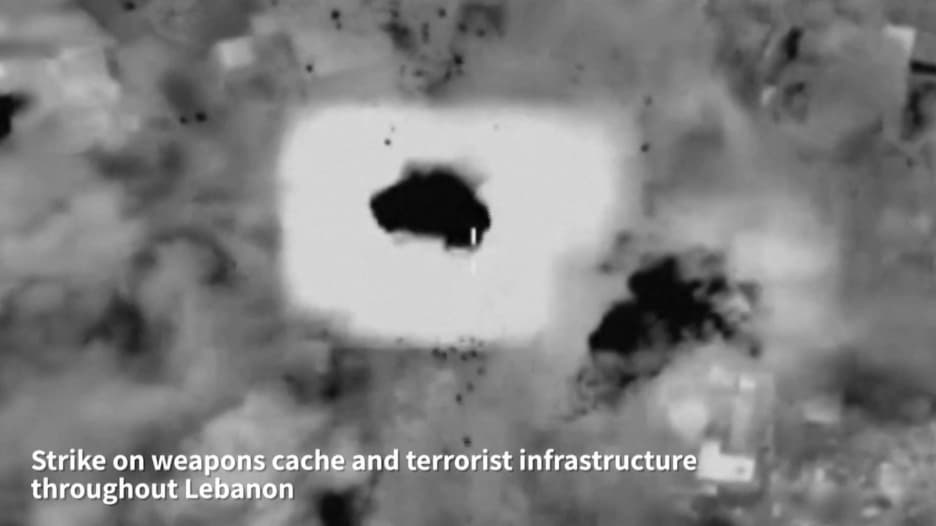
Military operations continue in southern Lebanon, where Hezbollah has launched intensive attacks against Israeli forces, targeting their tanks and soldiers with over 100 rockets. The region has witnessed a barrage of shelling, leading to the sounding of air raid sirens in the areas of Zar'it and Shatula in western Galilee following the detection of rocket launches from Lebanon.
According to the daily report from the Lebanese Ministry of Public Health, the number of martyrs since the beginning of this month has risen to 1,094, in addition to 3,119 injured. These figures reflect the scale of the military escalation and the resulting humanitarian impact.
Details of the Incident
The intensity of clashes between Hezbollah and the Israeli army is increasing, as the party has launched rockets at Israeli military targets, prompting swift reactions from the Israeli side. Reports indicate that these attacks are part of Hezbollah's strategy to respond to Israeli military operations in Lebanon, which have notably escalated recently.
It is noteworthy that Hezbollah had previously announced its readiness to confront any Israeli escalation, indicating that military operations would continue as long as aggressions against Lebanese territory persist. This escalation comes at a sensitive time for the region, as fears of an all-out war are growing.
Background & Context
Historically, the Lebanese-Israeli border has witnessed ongoing tensions, especially since the 2006 war. With the escalation of conflict in recent years, Hezbollah has become a key player in the military equation in the region, seeking to enhance its defensive and offensive capabilities.
The political and military dimensions of this conflict are intertwined, as Hezbollah considers itself a defender of Lebanon against Israeli aggressions, while Israel views the party as a threat to its national security. This dynamic complicates the prospects for a lasting peaceful resolution.
Impact & Consequences
The recent escalations underscore that the situation in southern Lebanon may spiral out of control, threatening stability across the entire region. The continuation of military operations could lead to further escalation, adversely affecting civilians and increasing their suffering.
Moreover, these events may impact relations between Lebanon and Israel, complicating international mediation efforts. The military escalation could also open the door to external interventions, further complicating the situation.
Regional Significance
The ongoing events in Lebanon are part of a broader picture of tensions in the Arab region. With conflicts escalating in places like Syria and Palestine, there is growing concern that the escalation in Lebanon could have negative repercussions on neighboring countries.
The situation in Lebanon may provoke reactions from other Arab states, potentially leading to new alliances or further escalations in existing conflicts. Under these circumstances, hope remains that the involved parties can reach peaceful solutions to spare the region from further tensions.
In conclusion, the situation in southern Lebanon remains tense, with military operations and border tensions continuing. The need for dialogue and negotiation remains urgent, given the increasing risks and threats facing the region.