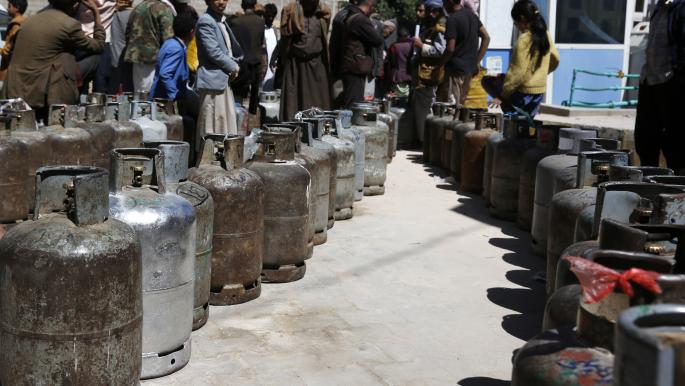
Yemen is experiencing chaos in the domestic gas market, with conflicting official decisions on price hikes and freezes. These crises arise amid accusations of administrative corruption and increased smuggling to the Houthis and Africa.
The crises in the local market are increasing, negatively impacting the lives of citizens who are suffering from a severe shortage of domestic gas. These conditions have raised widespread concern among citizens, who are struggling to secure their basic needs.
Details of the Situation
Recently, the Yemeni government has made conflicting decisions regarding gas prices, sometimes raising them while freezing them at other times. These inconsistent decisions have led to confusion in the market, with citizens complaining about their inability to bear the increasing financial burdens.
At the same time, reports indicate that smuggling operations have significantly increased, with gas being smuggled to areas controlled by the Houthis and to African countries. This smuggling reflects the rampant corruption in government institutions, where it is believed that some officials are colluding with smugglers for personal gain.
Background & Context
Historically, Yemen has suffered from recurring economic crises, especially since the outbreak of the civil war in 2015. The war has led to the destruction of infrastructure and the spread of corruption, making it difficult for the government to control local markets.
The deteriorating security situation in the country has also contributed to exacerbating economic crises, as foreign investments have declined and the value of the local currency has deteriorated, increasing the suffering of citizens.
Impact & Consequences
The current crises in the gas market directly affect the lives of citizens, as many face difficulties in securing their basic needs. This situation could exacerbate humanitarian crises in the country, as many families rely on domestic gas for cooking and heating.
Moreover, the increase in smuggling operations may strengthen the Houthis' influence, complicating the conflict in the country and affecting peace efforts. Additionally, the rampant administrative corruption may hinder any efforts to rebuild the Yemeni state after the conflict ends.
Regional Significance
The crises in Yemen exemplify the challenges faced by many Arab countries amid ongoing conflicts. The situation in Yemen could affect regional stability, as the number of refugees may increase and tensions between neighboring countries could rise.
Furthermore, the spread of corruption and smuggling in Yemen could pose a threat to regional security, as extremist groups may exploit the current chaos to enhance their influence and increase their activities.
In conclusion, Yemen needs a comprehensive response from the international community to address the current crises. There must be genuine efforts to combat corruption and enhance transparency in resource management, alongside supporting peace efforts to rebuild the country.