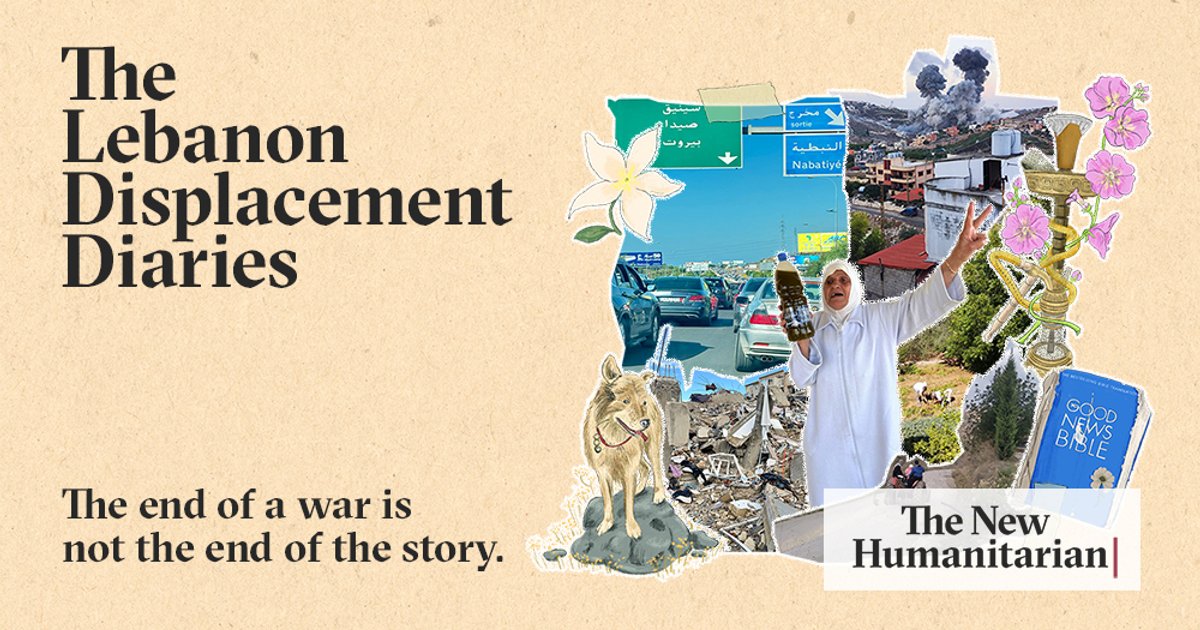
The United Nations reports that the humanitarian crisis in Lebanon has significantly worsened, with more than 1.1 million people displaced since the beginning of the conflict involving the United States, Israel, and Iran. This situation highlights the immense challenges faced by the country amid escalating regional tensions.
In an interview with Bloomberg, David Miliband, President and CEO of the International Rescue Committee, discussed the humanitarian dimensions of this conflict, emphasizing that the situation in Lebanon and Syria requires an urgent response from the international community.
Details of the Crisis
Reports indicate that the ongoing conflict has exacerbated living conditions in Lebanon, where residents are suffering from severe shortages of food, water, and healthcare. Additionally, the influx of refugees from affected areas has increased pressure on infrastructure and public services.
This crisis is part of a broader regional issue, where humanitarian crises intersect with political and military conflicts, complicating potential solutions.
Background & Context
Historically, Lebanon has experienced multiple conflicts, ranging from the civil war in the 1970s to regional disputes involving foreign interventions. This long history of conflict has led to a deterioration of the economic and social situation in the country, making it more vulnerable to humanitarian crises.
In recent years, conditions have worsened due to economic and political crises, increasing the suffering of Lebanese citizens. With rising tensions among regional powers, Lebanon has become a focal point for conflicts that affect its internal stability.
Impact & Consequences
The humanitarian implications of this conflict are not confined to Lebanon; they extend to neighboring countries, where the number of refugees fleeing the conflict is increasing. This situation places additional pressure on host countries, further complicating humanitarian conditions in the region.
Moreover, military escalation may exacerbate economic crises, impacting political and social stability in neighboring states. This situation necessitates a coordinated response from the international community to address the growing challenges.
Regional Significance
The humanitarian crisis in Lebanon exemplifies the multiple crises facing the Arab region. Ongoing conflicts in Syria, Yemen, and Libya reflect the challenges Arab nations face in achieving stability and development.
As humanitarian crises escalate, it becomes essential for Arab countries to collaborate in addressing these challenges and providing necessary support to those affected by conflicts.
In conclusion, the situation in Lebanon and Syria requires an urgent response from the international community and Arab nations to ensure that necessary assistance is provided to those affected and to work towards finding lasting solutions to ongoing conflicts.