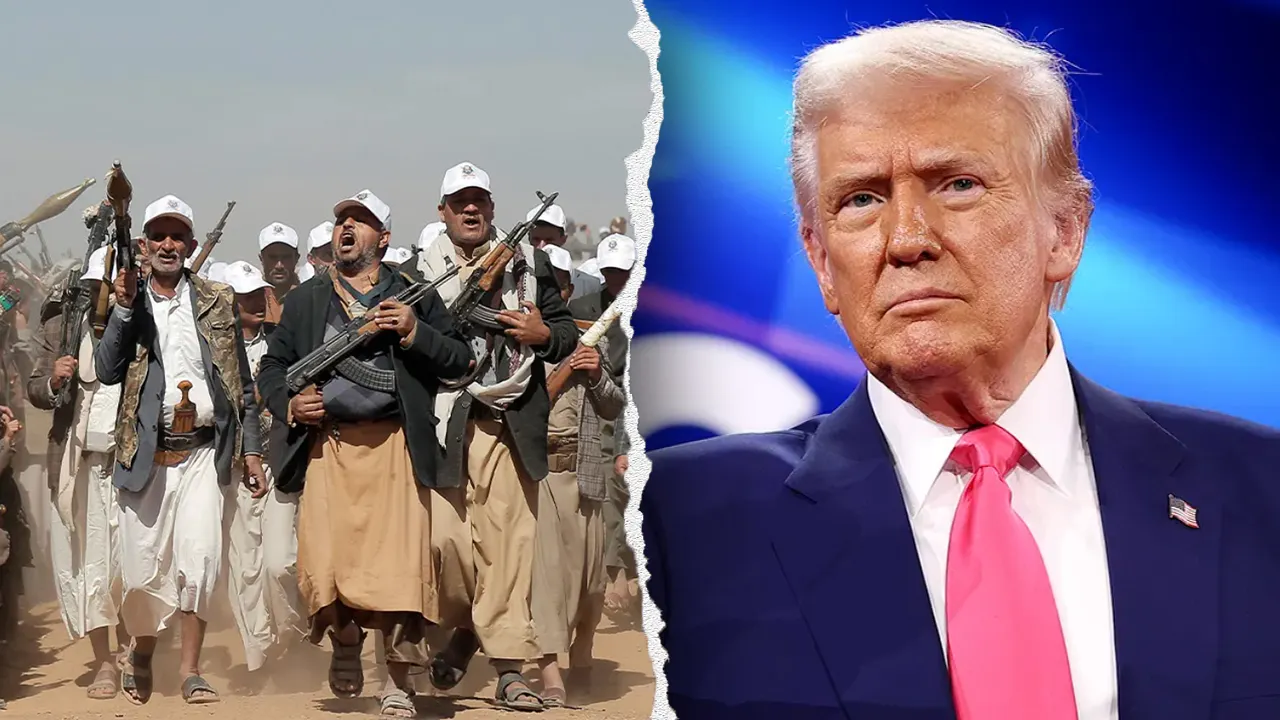
The British newspaper 'Independent' has reported that the United States has opened a 'Pandora's box' in the Middle East, threatening global economic stability. The entry of the Houthis into the conflict alongside Iran indicates rising tensions, especially with the Houthis controlling the Red Sea and Iran dominating the Strait of Hormuz.
These developments come at a sensitive time, as global markets face increasing pressures due to geopolitical crises. Former U.S. President Donald Trump noted that the Iranians are 'begging for a deal,' reflecting a state of confusion in U.S. foreign policy towards Iran.
Details of the Event
Concerns are growing that the Houthi escalation in the conflict could worsen the economic crises faced by many countries. The Houthi control of the Red Sea means that any military escalation could directly impact global trade, which heavily relies on this vital waterway.
On the other hand, Iran controls the Strait of Hormuz, a key transit point for oil transportation, making any tensions in the area negatively affect global oil prices. Reports have shown that oil prices have experienced significant fluctuations in recent days due to these tensions.
Background & Context
Historically, the Middle East has witnessed numerous conflicts that have had repercussions on the global economy. Since the United States withdrew from the Iranian nuclear deal in 2018, tensions between Iran and the U.S. have escalated, leading to a series of events that have increased instability in the region.
The recent shifts in the Yemeni conflict, with the Houthis increasingly participating in the war, reflect a strategic transformation in the regional conflict. The Houthis, backed by Iran, have become a key player in the equation, complicating the situation in the region.
Impact & Consequences
The escalation in the Iranian-Houthi conflict could lead to rising oil prices, which would impact the global economy as a whole. Countries that heavily depend on oil will face additional challenges amid rising prices, potentially leading to increased inflation and negative effects on economic growth.
Moreover, this conflict could exacerbate humanitarian crises in Yemen, where the population suffers from harsh conditions due to the war. The international community may find itself compelled to intervene, further complicating the political and economic situations in the region.
Regional Significance
For Arab countries, the rising tensions in Yemen could affect security and stability in neighboring nations. Countries like Saudi Arabia and the UAE may find themselves forced to bolster their defenses, increasing military spending amid challenging economic conditions.
The situation may also impact relations between Arab states and Iran, as divisions and tensions may rise amid escalating conflict. It is crucial for Arab nations to take proactive steps to avoid the repercussions of this conflict on their security and stability.
In conclusion, the Iranian-Houthi conflict appears set to continue influencing the economic and political landscape in the region and the world. It is essential for Arab countries to remain vigilant and work towards enhancing regional cooperation to address future challenges.