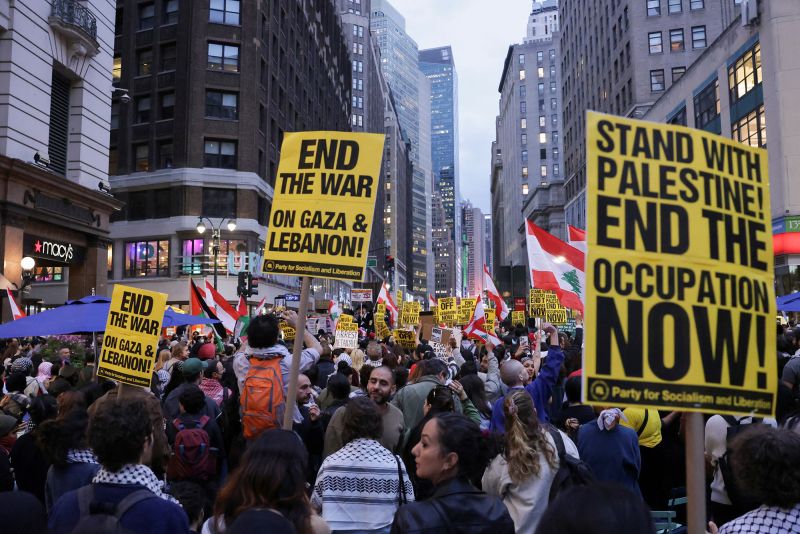
The situation in Lebanon is becoming increasingly complex with the ongoing Israeli escalation, threatening the fragile ceasefire that was reached through American mediation. The Israeli army has issued new warnings for residents to evacuate seven towns north of the Litani River, reflecting a growing military escalation.
Despite the ceasefire being in effect since April 17, which was extended until May 17, Israeli forces violate this agreement daily, resulting in casualties and destruction of homes in southern Lebanon.
Details of the Incident
In a new development, the Israeli army has issued warnings to residents in areas north of the Litani River, complicating the security situation further. A spokesperson for the army claimed that this step was in response to violations of the ceasefire by Hezbollah, urging residents to stay away from those areas.
Israeli Prime Minister Benjamin Netanyahu confirmed during a security cabinet meeting that Israel's security is the top priority, indicating that military operations align with the rules agreed upon with the United States and Lebanon.
Background & Context
These developments come at a time when Lebanon is experiencing internal divisions on how to deal with Hezbollah, with opinions varying between supporters and opponents of government decisions regarding the party's weapons. Additionally, negotiations with Israel have not made significant progress, exacerbating tensions.
Hezbollah, which considers itself a defender of Lebanese sovereignty, has expressed reservations about the ceasefire agreement, stating that ongoing Israeli attacks represent a blatant violation of Lebanese sovereignty. The party reported over 500 Israeli violations of the ceasefire since the beginning of the truce.
Impact & Consequences
The military escalation is worsening the humanitarian situation in Lebanon, with casualty numbers rising significantly, recording 2509 deaths and 7755 injuries since the onset of the Israeli aggression in March. Displacement is also increasing, with more than 1.6 million people fleeing their homes.
Concerns are growing that continued Israeli bombardment could lead to a larger escalation in the conflict, potentially dragging the region into further chaos and instability. Lebanon finds itself in a precarious position, striving to maintain its sovereignty and the security of its citizens amid rising challenges.
Regional Significance
The events in Lebanon are part of a broader conflict in the region, where regional and international interests intersect. Continued escalation could affect relations between Arab countries and Israel, heightening tensions in the Middle East.
In conclusion, the fate of the ceasefire hangs in the balance under the current circumstances, necessitating international intervention to ensure respect for agreements and halt military escalation. The situation in Lebanon poses a significant challenge not only for the Lebanese government but for the entire region.