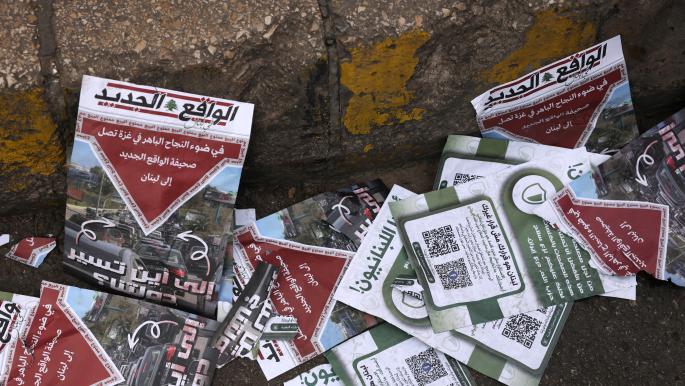
The situation in Lebanon worsens as Israeli aggression displaces over one million people. Concurrently, a digital war unfolds, utilizing paid advertisements to influence public opinion.
All eyes are on Lebanon amid escalating Israeli military actions, as Israeli forces continue to bombard civilian areas, resulting in numerous civilian casualties. This aggression, which began several weeks ago, has led to the displacement of over one million individuals, exacerbating the suffering of the Lebanese people who are already grappling with severe economic and humanitarian crises.
Details of the Event
Reports indicate that the Israeli aggression has targeted residential areas and vital facilities, leading to widespread destruction. At the same time, a new front in this conflict is emerging—the digital war, which various parties are using to influence public opinion. There has been a noted use of paid advertisements on social media platforms to disseminate misleading information or promote specific narratives related to the conflict.
These advertisements target specific segments of the audience, complicating the media landscape amid multiple crises. Some studies have shown that these advertisements can significantly affect how people understand the conflict, highlighting the importance of this new front in modern warfare.
Background & Context
Historically, Lebanon has witnessed numerous conflicts, but the recent Israeli aggression comes at a sensitive time, as Lebanon suffers from a crippling economic crisis. The economic situation has led to a deterioration in living standards, with rising rates of poverty and unemployment. As the aggression escalates, Lebanon faces new challenges related to humanitarian response, requiring significant efforts to meet the needs of the displaced and affected populations.
These events intertwine with a broader regional context, where the area is experiencing increasing tensions. The conflict in Lebanon is not isolated; it is part of a complex web of disputes involving neighboring countries, further complicating peace and stability efforts in the region.
Impact & Consequences
The Israeli aggression against Lebanon could have far-reaching implications for regional stability. As military actions escalate, there may be increased pressure on governments in the region to intervene or take specific stances. Additionally, the impact of the digital war may extend to how public opinion is shaped in neighboring countries, intensifying tensions.
Moreover, the use of paid advertisements in this context may open the door to further media misinformation, hindering peace efforts and increasing divisions among communities. Thus, this digital war could have negative effects on dialogue and understanding between different parties.
Regional Significance
The Israeli aggression against Lebanon serves as a wake-up call for Arab countries, reflecting the challenges facing the region amid multiple crises. As conflicts escalate, it becomes essential for Arab nations to unite to address these challenges, whether through humanitarian support or by enhancing political dialogue.
Furthermore, the digital war could serve as a lesson for Arab countries on how to deal with misinformation, necessitating effective strategies to combat this phenomenon. Ultimately, the situation in Lebanon requires genuine Arab solidarity to confront the looming humanitarian and political challenges.