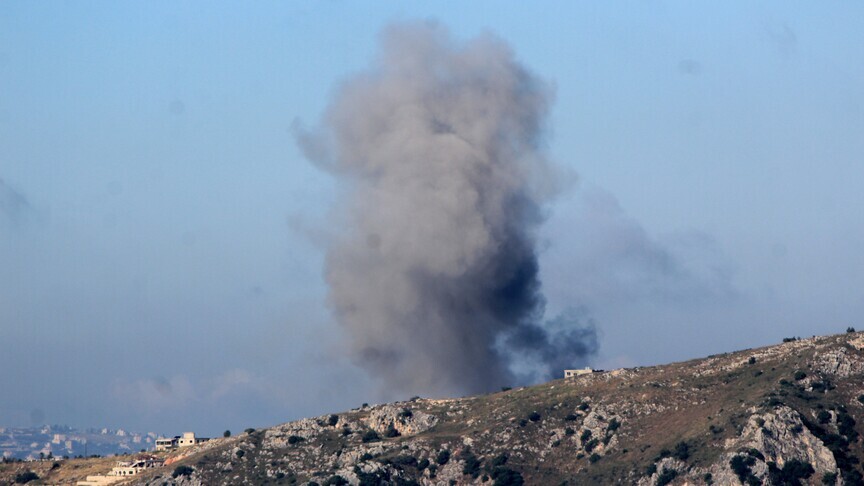
In a serious escalation of events in Lebanon, the United Nations confirmed that Israeli airstrikes on areas in southern Lebanon resulted in the deaths of 8 individuals, including children. This escalation follows a period of ongoing tensions in the region, with the UN recording over 670 missile trajectories in recent days.
UN spokesperson Stefan Dujarric stated that these airstrikes represent the highest level of Israeli military activity in Lebanon since the ceasefire reached in April. This development raises alarm within the international community, as fears of escalating violence in the region grow.
Details of the Incident
These airstrikes come at a highly sensitive time, as Lebanon is grappling with severe economic and political crises. Reports indicate that the victims of these airstrikes were in residential areas, intensifying international criticism of Israeli military operations.
Human rights organizations are increasingly calling for independent investigations into these airstrikes, viewing these attacks as a blatant violation of international law. There are also concerns that these events could lead to a greater escalation in the ongoing conflict between Israel and Hezbollah.
Background & Context
Historically, Lebanon has experienced numerous armed conflicts, particularly between Israel and Hezbollah. Since the outbreak of the July War in 2006, there have been periods of relative calm, but tensions have never completely dissipated. The recent airstrikes occur against the backdrop of rising regional tensions, especially following events in Gaza.
Lebanon is suffering from a crippling economic crisis, with the Lebanese people facing significant challenges related to living conditions and unemployment. These circumstances make it difficult for the Lebanese government to maintain security, complicating the situation further.
Impact & Consequences
The Israeli military pressure on Lebanon could exacerbate the humanitarian situation in the country. As the number of casualties rises, pressure mounts on the Lebanese government, potentially worsening political and economic crises.
Additionally, these airstrikes may affect relations between Lebanon and other Arab countries, as some nations may call for stricter stances against Israel. At the same time, these events could strengthen Hezbollah's position within Lebanon, complicating matters even further.
Regional Significance
The events in Lebanon are part of a larger picture concerning security and stability in the Middle East. The escalation of violence in Lebanon could impact neighboring countries, potentially leading to new waves of displacement and asylum seekers.
These events may also affect peace efforts in the region, as some Arab countries strive for greater stability. The military escalation could bring matters back to square one, making it difficult to achieve any progress in negotiations.
In conclusion, the recent events in Lebanon pose a significant challenge not only for the Lebanese people but also for the entire region. The international community must act urgently to stop the violence and protect civilians.