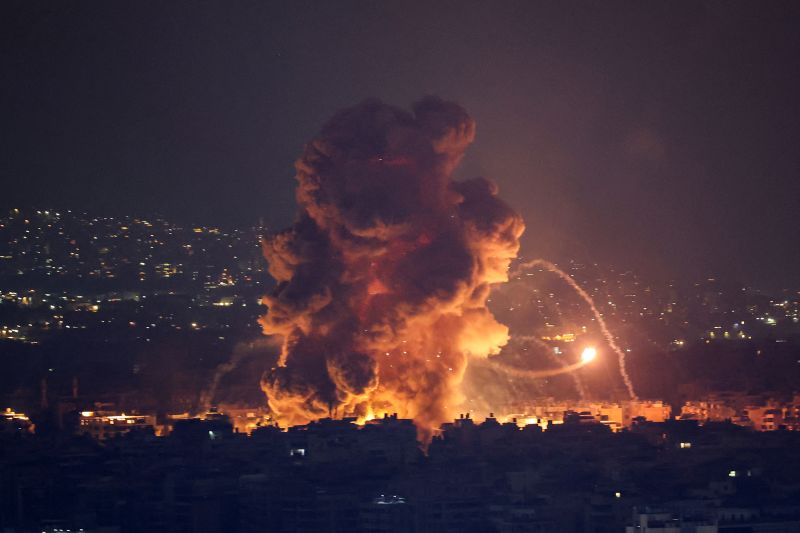
Heightened tensions between Israel and Lebanon are evident as Israeli forces continue incursions and bombardments in Lebanese territory, while Hezbollah responds by targeting Israeli positions with rockets and drones. The Hezbollah parliamentary bloc has stated that any attempt to create a buffer zone south of the Litani River will be a 'graveyard for invaders,' directly responding to Israeli threats.
The Israeli army has threatened a full occupation of Lebanon, claiming it seeks to disarm Hezbollah. The Israeli newspaper Haaretz reported Defense Minister Yoav Gallant confirming the army's intention to expand military operations, including demolishing homes in border villages, similar to actions taken in the cities of Rafah and Khan Younis in the Gaza Strip.
Details of the Incident
These statements come after a series of threats issued by Gallant and Israeli Prime Minister Benjamin Netanyahu, concerning the expansion of what Israel calls the 'buffer zone' in southern Lebanon. The Hezbollah parliamentary bloc responded to these threats, emphasizing that Israel's pursuit of a buffer zone poses a serious threat to Lebanon and that resistance will respond forcefully.
On the ground, Hezbollah continues to carry out bombardments against Israeli targets, announcing 30 operations against Israeli positions, including attacks on Israeli military infrastructure in the city of Safed, as well as targeting Israeli settlements in the Upper Galilee.
Background & Context
These events coincide with an ongoing Israeli military escalation that has persisted since early March, resulting in the deaths of 1,368 people and injuries to 4,138 others, according to data from the Lebanese Ministry of Health. Israel has warned residents of Lebanese villages south of the Litani River against staying in their homes, reflecting a serious escalation in the security situation in the region.
The Israeli military operations also occur within the broader context of the conflict between Israel and Iran, as Tel Aviv seeks to counter Iranian influence in the region, further complicating the situation in Lebanon.
Impact & Consequences
Israeli threats indicate the potential for a larger escalation in the conflict, which could have serious repercussions for security and stability in Lebanon and the region. The increasing military operations may exacerbate humanitarian conditions, as civilians suffer from the effects of bombardments and clashes.
At the same time, Hezbollah's reactions could lead to greater military escalation, increasing the likelihood of a comprehensive war in the region. Many observers have warned that any further escalation could drag the region into a new war.
Regional Significance
These events signal a rise in tensions in the region, with the situation in Lebanon drawing the attention of the Arab world. Any military escalation could impact stability in neighboring countries and complicate political conditions in the Middle East.
In conclusion, the situation in Lebanon remains under scrutiny, as the current circumstances require an urgent diplomatic solution to avoid further escalation and ensure the safety of civilians in the region.