Diplomatic efforts to end the war in the Middle East, which has entered its second month, continue amid noticeable military escalation. Tehran has intensified its attacks on Gulf states, while the Houthis in Yemen have announced attacks on Israel, further complicating the situation in the region.
In this context, Iranian President Masoud Pezeshkian praised Pakistan's efforts to stop what he described as American-Israeli "aggression." Islamabad announced that the foreign ministers of Saudi Arabia, Turkey, and Egypt will visit for a quadrilateral meeting aimed at enhancing regional coordination.
Details of the Incident
In a notable development, Pakistan's Foreign Minister Ishaq Dar reported that Iran has agreed to allow an additional twenty ships flying the Pakistani flag to pass through the Strait of Hormuz at a rate of two ships per day. This comes at a time when American military bases in the region are facing increasing attacks.
In Saudi Arabia, 12 American soldiers were injured, two of them critically, due to an attack by Iran on the Prince Sultan Air Base in Al-Kharj. The attack resulted in damage to aerial refueling aircraft, according to American media reports.
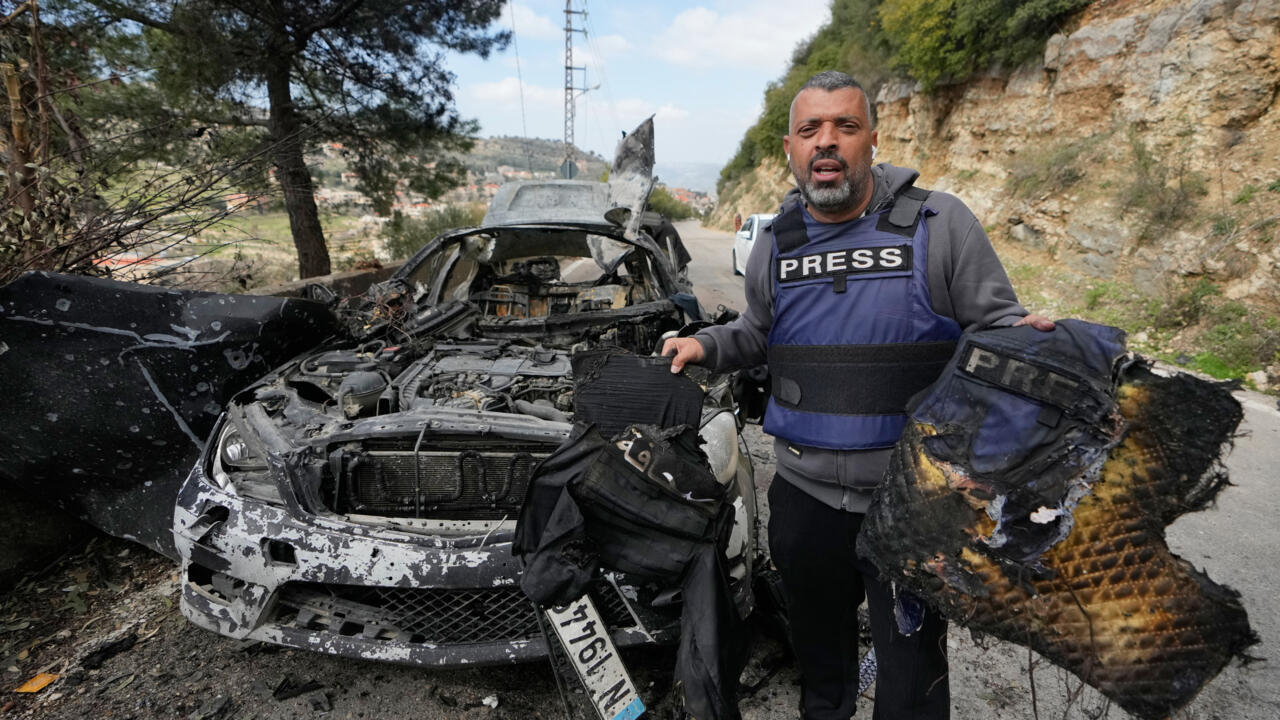
In Lebanon, an Israeli airstrike resulted in the deaths of three journalists, with the Israeli army confirming the targeting of Ali Shaib, a reporter for the Al-Manar channel affiliated with Hezbollah, accusing him of belonging to the party's elite unit.
Context and Background
These developments come at a sensitive time as the region witnesses increasing military escalation, with the Houthis announcing attacks on Israel, marking a shift in the conflict. The Houthis have confirmed that they will continue military operations in the coming days, heightening tensions in the region.
In Iraq, two police officers, one of them a colonel, were killed in an attack on their position in Mosul, while the Popular Mobilization Forces announced the deaths of three of their members in shelling on their headquarters in Kirkuk. Additionally, Iraqi air defenses intercepted two drones heading towards the American embassy in Baghdad, reflecting the rising security threats.
Impact and Consequences
These events indicate that the situation in the Middle East is becoming increasingly complex, with military and political dimensions increasingly intertwined. The military escalation by Iran and the Houthis may provoke military responses from the United States and its allies, potentially intensifying the conflict.
Moreover, the ongoing attacks on American military bases in the region may place additional pressure on the American administration, which faces multiple challenges in its foreign policy. These developments could affect relations between Arab countries and Iran, further complicating the regional landscape.
Impact on the Arab Region
These events directly impact security and stability in the Arab region, reflecting rising tensions between regional powers. The military escalation could lead to serious humanitarian consequences, as civilians suffer from the effects of the ongoing conflict.
In conclusion, peace efforts face significant challenges amid the current military escalation. The situation in the Middle East requires an urgent response from the international community to ensure regional stability and protect civilians.