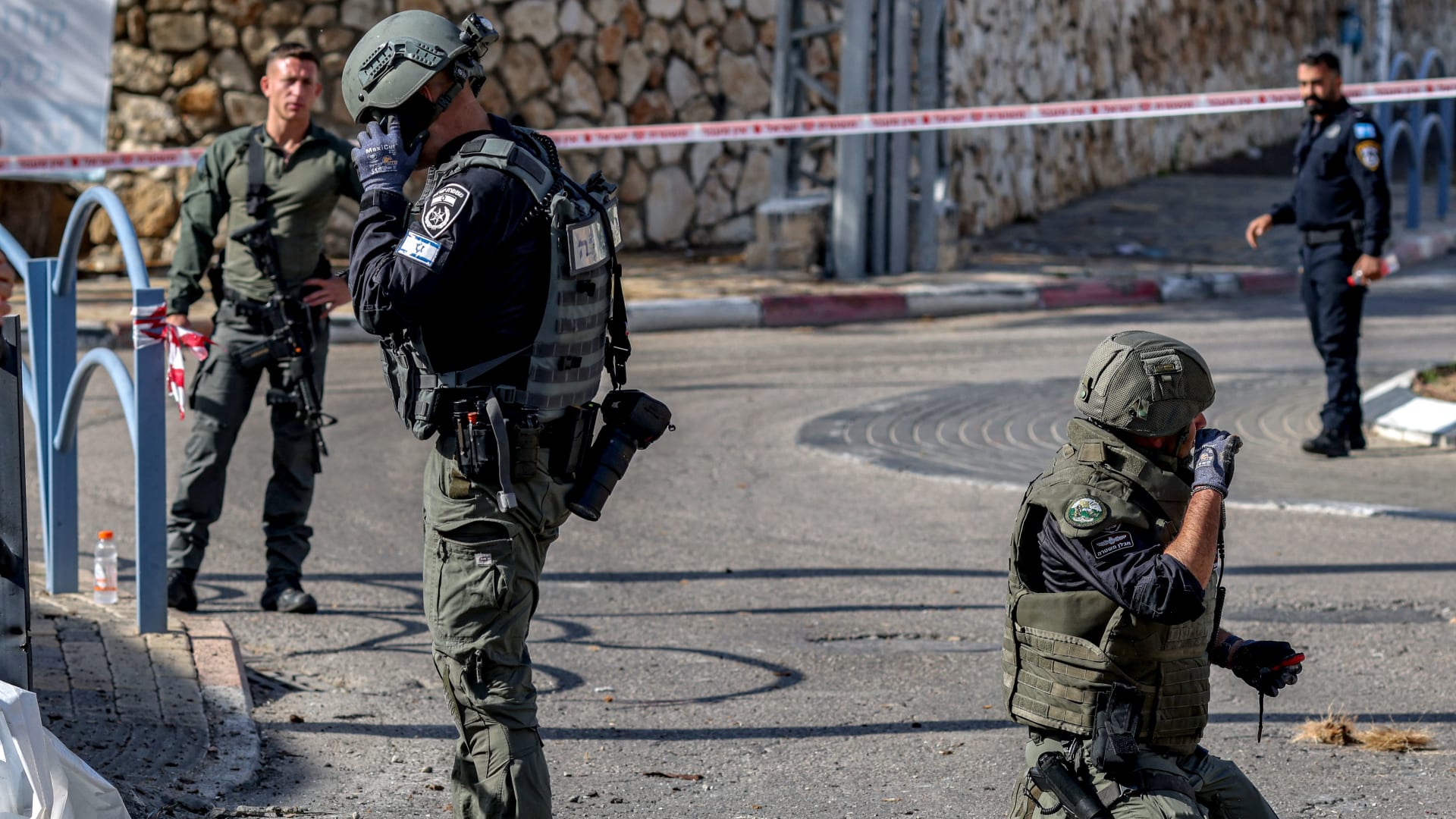
Events are rapidly escalating on the Lebanese-Israeli border, where the region is witnessing a notable military escalation. Israeli forces continue to carry out intensive airstrikes, while Hezbollah is conducting targeted operations aimed at Israeli settlements and military bases.
This escalation comes amid increasing tensions between the two sides, each seeking to achieve its military and political objectives in the region. News reports have indicated a rise in the intensity of clashes, signaling further tensions in the near future.
Details of the Incident
Information indicates that the Israeli airstrikes are targeting specific sites believed to be affiliated with Hezbollah, while the party is executing rocket bombardments against Israeli settlements. These confrontations have resulted in civilian casualties, complicating the humanitarian situation in the area.
Local sources have reported that Hezbollah has utilized advanced weaponry in some of its operations, reflecting the evolution of its military capabilities. These events come at a sensitive time, with increasing regional and international pressures on both Lebanon and Israel.
Background & Context
Historically, the Lebanese-Israeli border has witnessed numerous armed conflicts, with Hezbollah adopting a resistance strategy against Israeli occupation. Since the 2006 July War, the border has experienced periods of relative calm interspersed with bouts of escalation.
In recent years, tensions have increased due to the political situation in Lebanon, alongside ongoing Israeli threats against Hezbollah. Additionally, the conflict in neighboring Syria has directly impacted the situation in Lebanon, further complicating the security landscape.
Impact & Consequences
The current escalation is seen as an indicator of the potential outbreak of a new war in the region, which could have dire consequences for both Lebanon and Israel. The continuation of these confrontations may negatively affect the economic and humanitarian situation in Lebanon, which is already grappling with multiple crises.
Moreover, the military escalation could draw other countries in the region into the conflict, complicating regional dynamics. There may also be repercussions on the relationships between Arab states and Israel, especially in light of the normalization attempts witnessed in recent years.
Regional Significance
The ramifications of the current confrontations extend beyond the Lebanese borders, as these events signal the ongoing conflicts in the region. These developments could impact regional security, necessitating international interventions to contain the situation.
Furthermore, the situation in Lebanon may raise concerns among neighboring Arab countries, which are striving for stability in the region. Under these circumstances, hope remains pinned on diplomatic solutions that could help alleviate tensions.
The military escalation on the Lebanese-Israeli border highlights the ongoing challenges facing the region and underscores the urgent need for effective diplomatic efforts to achieve peace and stability.