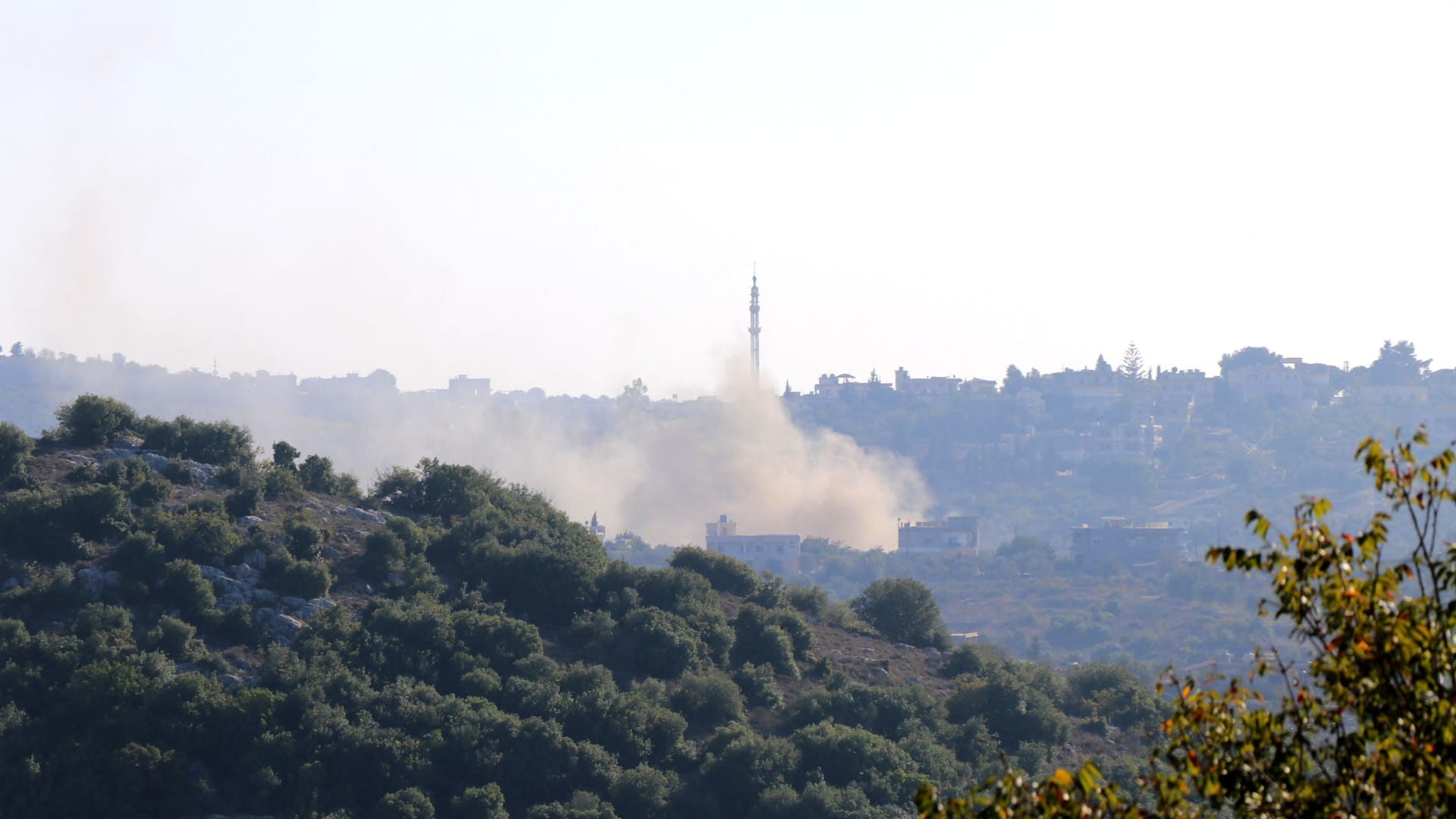
The military escalation in Lebanon is intensifying, with the Israeli army conducting airstrikes targeting the capital, Beirut, and other areas outside Hezbollah's influence. These airstrikes come at a time when the party is responding with rocket attacks, leading to a noticeable increase in civilian casualties, amid indications that the scope of military operations may widen.
In this tense situation, anxiety prevails among Lebanese citizens regarding the repercussions of this war, which could lead to greater escalation in the region. Reports have shown that the Israeli airstrikes targeted strategic sites, further increasing tensions between the two sides.
Details of the Event
Local sources reported that the Israeli airstrikes targeted multiple areas in Beirut, including residential neighborhoods and commercial markets. Several injuries among civilians have been documented, raising concerns about escalating violence. In response, Hezbollah launched rockets at Israeli military sites, resulting in injuries among Israeli forces.
This escalation comes after a period of increasing tensions between Lebanon and Israel, with warnings from both sides about the potential consequences of any military escalation. Analysts have indicated that these events could mark the beginning of a new phase of conflict in the region.
Background & Context
Historically, Lebanon has witnessed multiple conflicts with Israel, with previous wars leading to widespread destruction and significant human losses. Since 2006, when the July War broke out, relations between the two sides have been tense, with ongoing border violations from both parties.
Hezbollah, which is considered one of the key players in the Lebanese arena, possesses a stockpile of weapons and sees itself as a defender of Lebanon against any Israeli aggression. Meanwhile, Israel continues to carry out military operations in the region, claiming to target sites that threaten its national security.
Impact & Consequences
The current escalation could have serious repercussions at the regional level, potentially affecting stability in neighboring countries such as Syria and Palestine. Any military escalation may open the door for international interventions, complicating the situation further.
Moreover, the rising civilian casualties could lead to popular reactions in Lebanon, increasing pressure on the Lebanese government to address the crisis. This situation may exacerbate the economic and social crises that Lebanon is already facing.
Regional Significance
The ongoing events in Lebanon are part of a larger picture of the Arab-Israeli conflict, with the Palestinian issue remaining at the heart of the struggle. The military escalation could impact peace efforts in the region and increase polarization among Arab countries.
At the same time, some regional powers may exploit the situation to enhance their influence in Lebanon, further complicating the political landscape. On a popular level, these events could lead to increased Arab solidarity with Lebanon, but they may also provoke feelings of frustration over the ongoing conflict.
In conclusion, the situation in Lebanon remains tense, with expectations of increased military escalation. The current situation requires urgent international attention to prevent further deterioration and ensure the protection of civilians in the region.