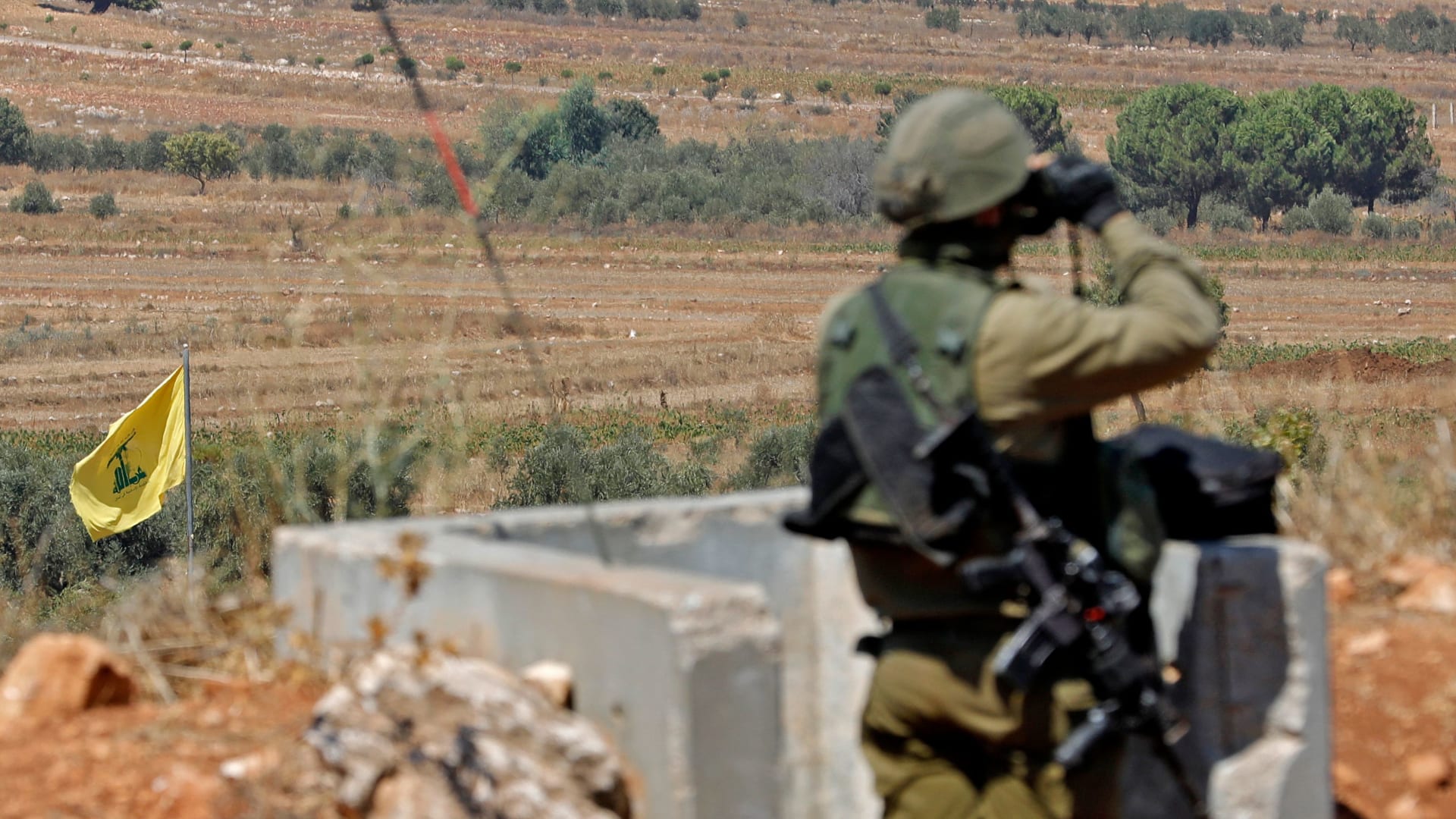
The Lebanese-Israeli border is witnessing unprecedented military escalation, with intensive Israeli airstrikes coinciding with targeted operations by Hezbollah against vehicles and settlements. Reports indicate casualties among international forces.
This escalation comes at a sensitive time, as tensions in the region have notably increased, warning of developments that could affect regional stability. Reports have shown that Hezbollah has conducted targeted operations against Israeli positions, leading to military responses from the Israeli side.
Details of the Incident
In recent hours, Israeli forces have carried out a series of airstrikes on Hezbollah positions in southern Lebanon, resulting in widespread destruction of infrastructure. In response, Hezbollah announced its targeting of several Israeli military vehicles, resulting in injuries among Israeli forces.
Local sources have reported an escalation in the intensity of clashes at the border, as military operations continue from both sides, raising concerns about the potential for a larger escalation that could lead to a full-scale conflict.
Background & Context
Historically, the Lebanese-Israeli border has been the scene of numerous armed conflicts, with increasing tensions between Hezbollah and Israel in recent years. The roots of this conflict trace back to the Israeli occupation of southern Lebanon in the 1980s, which led to the emergence of Hezbollah as a resistance force.
In recent years, military activities along the border have intensified, particularly following rising tensions in the region due to events in Syria and the political crisis in Lebanon. These factors have contributed to the increasing severity of the conflict between the two sides.
Impact & Consequences
This military escalation could have serious implications for regional security, as it may lead to a larger escalation in the conflict between Israel and Hezbollah. Additionally, casualties among international forces could complicate the situation further, presenting the international community with a new challenge for intervention.
Moreover, this escalation may affect relations between Lebanon and neighboring countries, exacerbating internal divisions within Lebanon, which could negatively impact political and economic stability in the country.
Regional Significance
The repercussions of this escalation extend beyond the Lebanese borders, potentially affecting regional security as a whole. Amid the multiple crises facing Arab countries, an escalation of the conflict could worsen humanitarian and economic conditions in the region.
This situation may also raise concerns among other Arab nations, which seek to achieve stability in the region, potentially prompting them to adopt more cautious positions regarding events in Lebanon and Palestine.
In conclusion, the situation at the Lebanese-Israeli border remains tense and requires close monitoring by the international community, as any further escalation could lead to catastrophic outcomes for security and stability in the region.