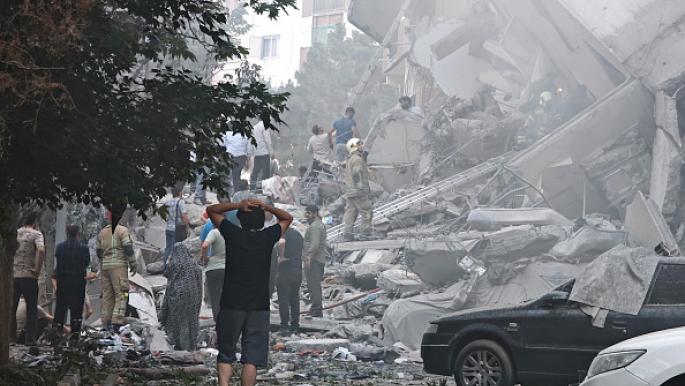
Military tensions between Iran and the United States are escalating, with both sides exchanging fire amidst rising tensions. The world watches closely as the situation grows increasingly complex, raising concerns about regional stability.
Reports indicate that the mutual shelling has resulted in injuries and significant damage, further heightening tensions between the two parties. At the same time, President Donald Trump is preparing to deliver a much-anticipated speech that may include details about the United States' strategy in the region.
Details of the Incident
In recent days, the region has witnessed unprecedented escalation, with Iranian forces targeting US military sites in Iraq, prompting a swift response from American troops. This escalation comes at a sensitive time, as fears of an all-out conflict that could draw in other nations into the fray are increasing.
On the other hand, Iran has confirmed that it will continue to respond to any aggressions, complicating the situation further. Iranian officials have indicated that their country will not hesitate to use all available means to defend its interests and national security.
Background & Context
The roots of the current tensions between Iran and the United States trace back to many years of political and military conflict. Since the US withdrawal from the Iranian nuclear deal in 2018, tensions have escalated significantly, with Washington imposing severe economic sanctions on Tehran.
Historically, the region has been a stage for multiple conflicts, with major powers playing a pivotal role in shaping events. Since then, Iran and the United States have been in a continuous confrontation, affecting the stability of countries in the region and exacerbating humanitarian crises.
Impact & Consequences
If military escalation continues, it could lead to serious repercussions for regional and international security. Oil prices are likely to be significantly affected, which could reflect on the global economy. Additionally, any military escalation could lead to mass displacement of populations from the affected areas, increasing the burdens on neighboring countries.
Moreover, other regional powers may intervene in the conflict, further complicating the situation. The conflict between Iran and the United States could draw countries like Saudi Arabia and Israel into the fray, increasing the likelihood of an all-out war.
Regional Significance
Arab countries neighboring Iran and the United States find themselves in a sensitive position, as they could be directly affected by any military escalation. Concerns about deteriorating security conditions could lead to increased tensions between Arab states and Iran, threatening regional stability.
Furthermore, any escalation could impact relations between Arab countries and the United States, as some nations may find themselves compelled to reassess their alliances in light of changing circumstances. Ultimately, hope remains pinned on diplomacy as a means to avoid further escalation and maintain peace in the region.