Military tensions between the United States and Iran are escalating, raising questions about the possibility of achieving a swift military resolution. President Donald Trump's statements regarding the destruction of Iranian capabilities in a short period cast doubt on the feasibility and risks of such proposals.
In a statement on Al Jazeera, retired brigadier general and military expert Akram Sarawi emphasized that Trump's remarks fall within the realm of propaganda and psychological warfare, rather than reflecting the actual battlefield reality. He explained that the talk of erasing Iran from the map or eliminating its air and naval forces is exaggerated, as developments on the ground have shown that a military resolution is far off.
Details of the Situation
Sarawi pointed out that neither side is prepared to back down, with the US president seeking a political achievement while Iran bets on prolonging and exhausting American forces. This situation complicates the chances of reaching a near-term solution, making war likely to continue in the upcoming period, especially in the absence of indicators pointing to its imminent end.
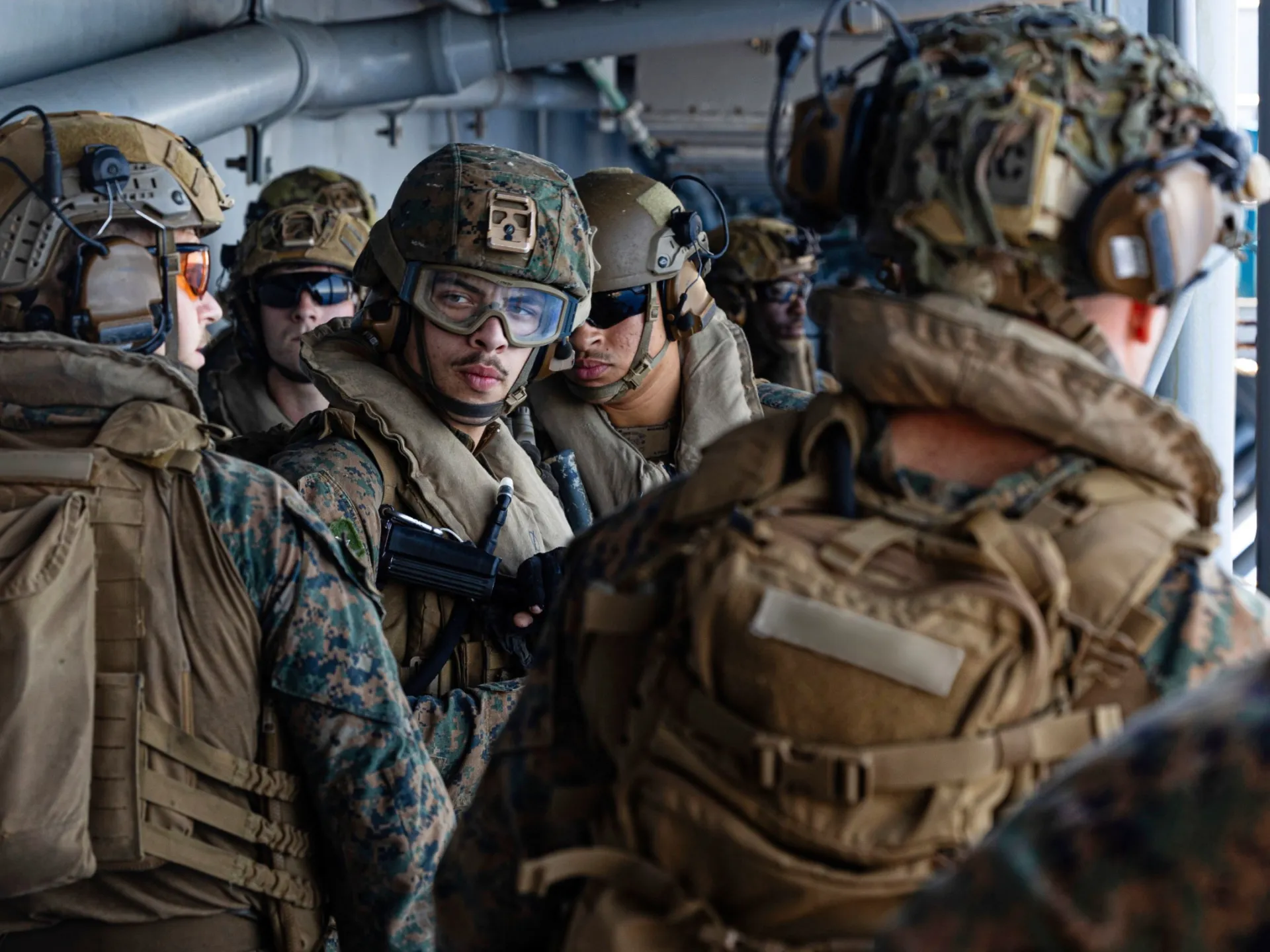
Regarding the deployment of special American forces to the region, Sarawi deemed the idea of invading Iran with a limited number of soldiers illogical, given the size of the Iranian military, which includes hundreds of thousands of soldiers, in addition to a large reserve force. He suggested that these movements aim to conduct limited operations that would provide Washington with a "victory image," such as seizing strategic sites or executing a temporary landing within Iranian territory.
Background & Context
Since February 28, the United States and Israel have been conducting a joint war against Iran under the pretext of eliminating what they describe as the threat posed by its nuclear and missile programs. Tehran responds by launching strikes on Israel using missiles and drones, targeting what it claims are American and Israeli bases and interests in the region.
Previous experiences have shown that the failure of such operations could lead the United States to escalate further and become embroiled in a prolonged war. Regarding US-Israeli coordination, Sarawi clarified that meetings between military leaders aim to coordinate operations and sustain the war for weeks, in the absence of indicators of a near end.
Impact & Consequences
Sarawi warned that any ground invasion would be fraught with significant risks, given Iran's defensive measures, the vast geography, and the complexity of the objectives, with the potential for substantial losses or even failure. He also noted that Israel's role in this context may primarily be intelligence-based, given the United States' superiority in this type of operation.
Sarawi also discussed the capabilities of Hezbollah, indicating that the party possesses advanced missile systems, particularly anti-tank missiles, capable of making a significant impact on the battlefield. He explained that the continued launch of missiles from Lebanon contradicts the Israeli narrative regarding the destruction of Hezbollah's capabilities, revealing a gap between rhetoric and reality.
Regional Significance
Concerns are growing that these tensions could lead to greater escalation in the region, potentially affecting the security and stability of neighboring countries. The ongoing conflict between the United States and Iran may drag the region into new confrontations, threatening the interests of Arab countries and complicating political and economic situations.
In conclusion, the military escalation between the United States and Iran creates an unstable environment, with increasing risks of the conflict slipping into a longer and more complex confrontation, necessitating Arab countries to adopt cautious positions to address the repercussions of this conflict.