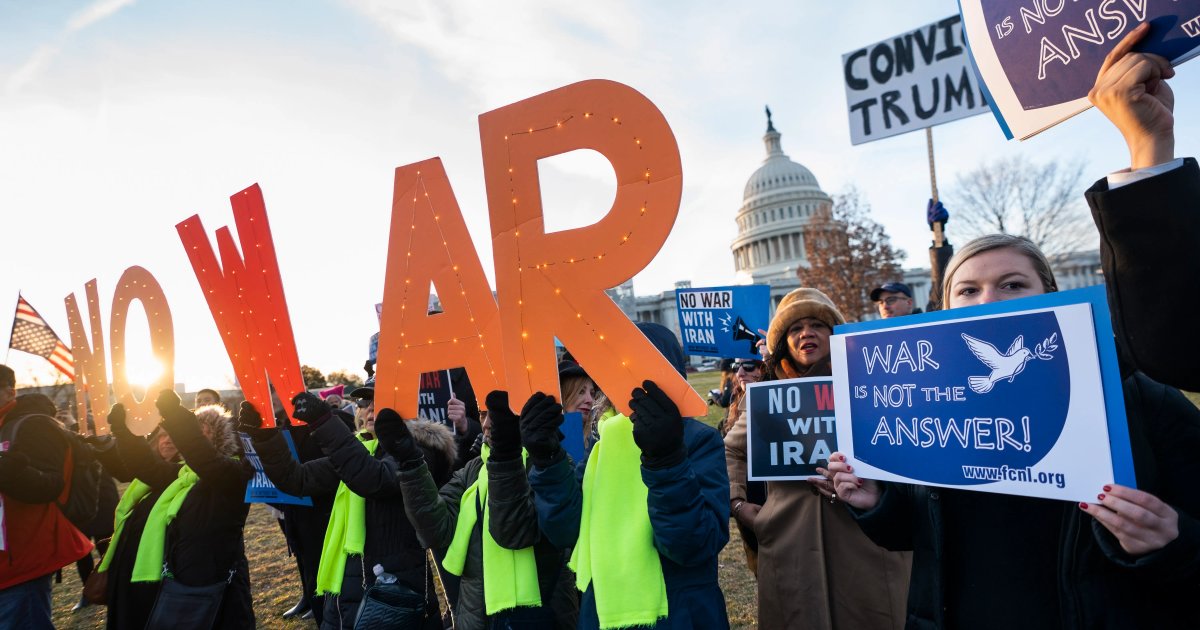
In an unprecedented escalation, the military option between the United States and Iran has become a tangible reality, with Washington placing a 'bullet' on the negotiation table. Meanwhile, the Iranian regime seeks to strengthen its position through threats in the Strait of Hormuz.
These developments come at a sensitive time as tensions in the region rise, raising fears of military escalation that could have wide-ranging consequences. Military options are no longer mere threats; they have become part of the American strategy to confront Iranian activities in the region.
Details of the Event
Reports indicate that the United States has taken concrete steps to enhance its military presence in the Gulf, reflecting Washington's seriousness in addressing Iranian challenges. At the same time, Iran appears to be relying on unconventional strategies to offset its losses, including threats to disrupt the Strait of Hormuz, which is a vital artery for global oil trade.
Concerns are mounting that any military escalation could lead to the closure of the strait, significantly impacting oil prices and global markets. This escalation could also drag the region into a broader conflict, especially with the presence of regional and international powers with conflicting interests in the area.
Background & Context
Historically, relations between the United States and Iran have been tense, particularly following Washington's withdrawal from the nuclear agreement in 2018. Since then, the U.S. has imposed stringent sanctions on Tehran, leading to a deterioration of the Iranian economic situation and increased internal pressures.
In this context, Iran seeks to bolster its regional position through military force and threats, complicating the security landscape in the region. There are also concerns that any escalation could provoke unexpected reactions from Iran's allies, such as Hezbollah in Lebanon or militias in Iraq.
Impact & Consequences
If tensions continue to escalate, it could lead to serious repercussions for regional and international security. Oil prices are likely to be significantly affected, which could impact the global economy. Additionally, any military conflict could result in mass displacement of populations and increased sectarian tensions in the region.
Moreover, this escalation could lead to military interventions from other countries, further complicating the situation. It is crucial for the involved parties to take diplomatic steps to avoid exacerbating the situation, as peaceful solutions are the best option to prevent disasters.
Regional Significance
Arab countries neighboring Iran find themselves in a precarious position, as they could be directly affected by any military escalation. Countries like Saudi Arabia and the UAE may find themselves in the line of fire, increasing the need for enhanced security cooperation among Arab states.
The situation in Iraq, Syria, and Lebanon could also be significantly impacted, as any escalation could ignite existing conflicts. It is important for Arab countries to remain in communication with major powers to avoid slipping into a comprehensive conflict.
In conclusion, the current situation requires wisdom and prudence from all parties involved to avoid escalating tensions. Dialogue and diplomacy are the only paths to achieving stability in the region and preventing humanitarian disasters.