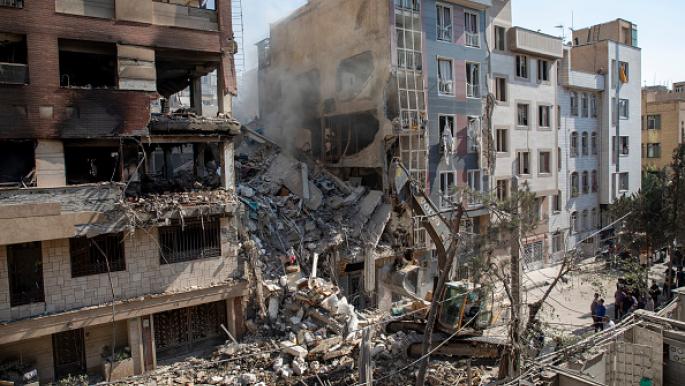
The region is witnessing a rapid military escalation, with ongoing bombardments and exchanges of strikes between the United States and Israel on one side and Iran on the other. This escalation comes at a sensitive time, as fears increase regarding its implications for regional security.
In recent days, military reports have noted an uptick in military activities, including airstrikes targeting Iranian sites, reflecting an unprecedented escalation in tensions among the involved parties.
Details of the Incident
Military sources reported that the United States has conducted precise bombing operations against Iranian targets, while Iran retaliated by launching missiles at U.S. positions in the region. This exchange of strikes reflects the intensifying tensions that have been building for a long time and indicates that matters may be heading toward further escalation.
Reports also indicate that there are new U.S. plans regarding uranium, as the United States seeks to strengthen its position in nuclear negotiations with Iran. These plans could lead to increased tensions, especially in the absence of any indicators pointing toward a comprehensive agreement among the involved parties.
Background & Context
The roots of the current tensions trace back to the Iranian nuclear agreement signed in 2015, from which the United States withdrew in 2018. Since then, fears have escalated that Iran might resume its nuclear program illegally, prompting the United States and its allies to take military action.
The situation in the region has also been significantly affected by ongoing conflicts in Syria and Iraq, where Iran plays a key role in supporting armed groups. This role complicates the situation further and heightens fears of a broader conflict erupting.
Impact & Consequences
The current military escalation could lead to serious repercussions for regional security. Increased military pressure may provoke unexpected reactions from Iran, potentially dragging the region into a full-blown conflict. Furthermore, this situation could impact oil prices and global markets, as any escalation in the region could lead to a significant rise in prices.
Moreover, the rising tensions may affect the relationships between the United States and its allies in the region, as some countries may find themselves in a difficult position between supporting the United States or maintaining their ties with Iran.
Regional Significance
Arab countries are significantly affected by the current developments, as any escalation in the conflict could lead to a flow of refugees and increased internal tensions. Additionally, Arab nations may find themselves compelled to take clear stances regarding the conflict, which could deepen divisions within the region.
Ultimately, the situation in the region remains complex and requires intensive diplomatic efforts to avoid military escalation. The continuation of tensions could lead to dire consequences for security and stability in the Middle East.