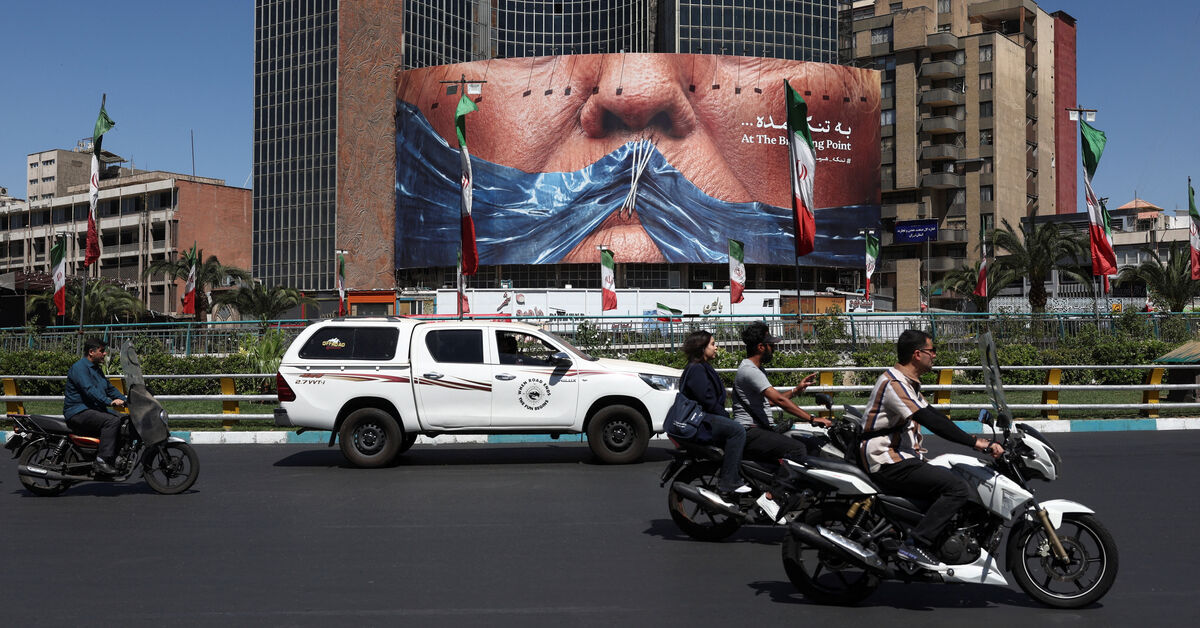
In a new military escalation, the Iranian Revolutionary Guard announced that it targeted a US base, following American airstrikes on Iranian sites in the Strait of Hormuz. These events occur at a sensitive time, as US President Donald Trump denied the existence of any imminent agreement with Iran, further heightening tensions between the two countries.
According to military sources, the American airstrikes aimed at Iranian drone operations, which are considered a threat to maritime security in the region. American officials confirmed that these operations are part of defending American interests and those of its allies in the Gulf, especially amid rising tensions between Washington and Tehran.
Details of the Incident
The Iranian Revolutionary Guard reported that it targeted a US base in retaliation for the strikes carried out by the United States. These military operations reflect an increasing escalation in the ongoing conflict between the two sides, which has seen several rounds of tensions in recent years.
These events come at a critical time, as Trump seeks to bolster his political position both domestically and internationally, while Iran attempts to maintain its regional influence. Some observers have pointed out that these escalations could lead to further tensions in the region, especially with American forces present in Iraq and Syria.
Background & Context
Historically, US-Iranian relations have experienced increasing tensions since the Islamic Revolution in Iran in 1979. These tensions have notably escalated following the US withdrawal from the Iranian nuclear deal in 2018, which led to the imposition of severe economic sanctions on Tehran.
The Strait of Hormuz is considered one of the most important waterways in the world, through which a significant percentage of global oil passes. Therefore, any military escalation in this area could significantly impact global oil markets and the overall stability of the region.
Impact & Consequences
These military escalations could exacerbate the situation in the region, potentially negatively affecting the global economy. Any escalation may also provoke reactions from other countries in the region, complicating matters further.
Moreover, these events could impact relations between the United States and its allies in the region, as they may require clear stances regarding military escalations. There are also concerns that these situations could lead to direct armed conflict between the two parties.
Regional Significance
The Arab countries neighboring Iran and the United States find themselves in a sensitive position, as these events could affect their security and stability. Gulf states, in particular, are closely monitoring the situation, as they heavily rely on the stability of the Strait of Hormuz to secure their oil supplies.
Additionally, these events may open the door for new international interventions in the region, which could further complicate the political and security situations. Ultimately, the question remains about how the international community will respond to these escalations and whether there is a possibility for peaceful solutions.