Military tensions are escalating between the United States and Israel on one side and Iran and Hezbollah on the other. Reports indicate that both sides have failed to achieve political breakthroughs despite increasing military pressures. Colonel Nidal Abu Zaid highlights Iran's preparations for potential ground operations.
As military operations continue, Colonel Abu Zaid reported that the United States and Israel have been unable to convert military achievements into political victories. He notes that the ground operation hinted at by President Donald Trump may be imminent, reflecting the rising tensions in the region.
Details of the Event
Reports indicate that the Israeli army has launched over 400 airstrikes in cooperation with the United States over the past two days, while Iran and Hezbollah continue to carry out counter-operations targeting vital areas in Israel. The American-Israeli strikes have focused on the vicinity of Tehran and Tabriz, while Iran and Hezbollah have targeted areas in central and southern Israel, particularly the Greater Tel Aviv area.
Despite the passage of 5 weeks since the onset of this conflict, the United States and Israel remain unable to achieve a breakthrough in the Iranian military front. Abu Zaid attributes this to Iran's effective response to these pressures, as the United States and Israel rely on complete air sovereignty, while Iran invests in its geography to neutralize this sovereignty.
Background & Context
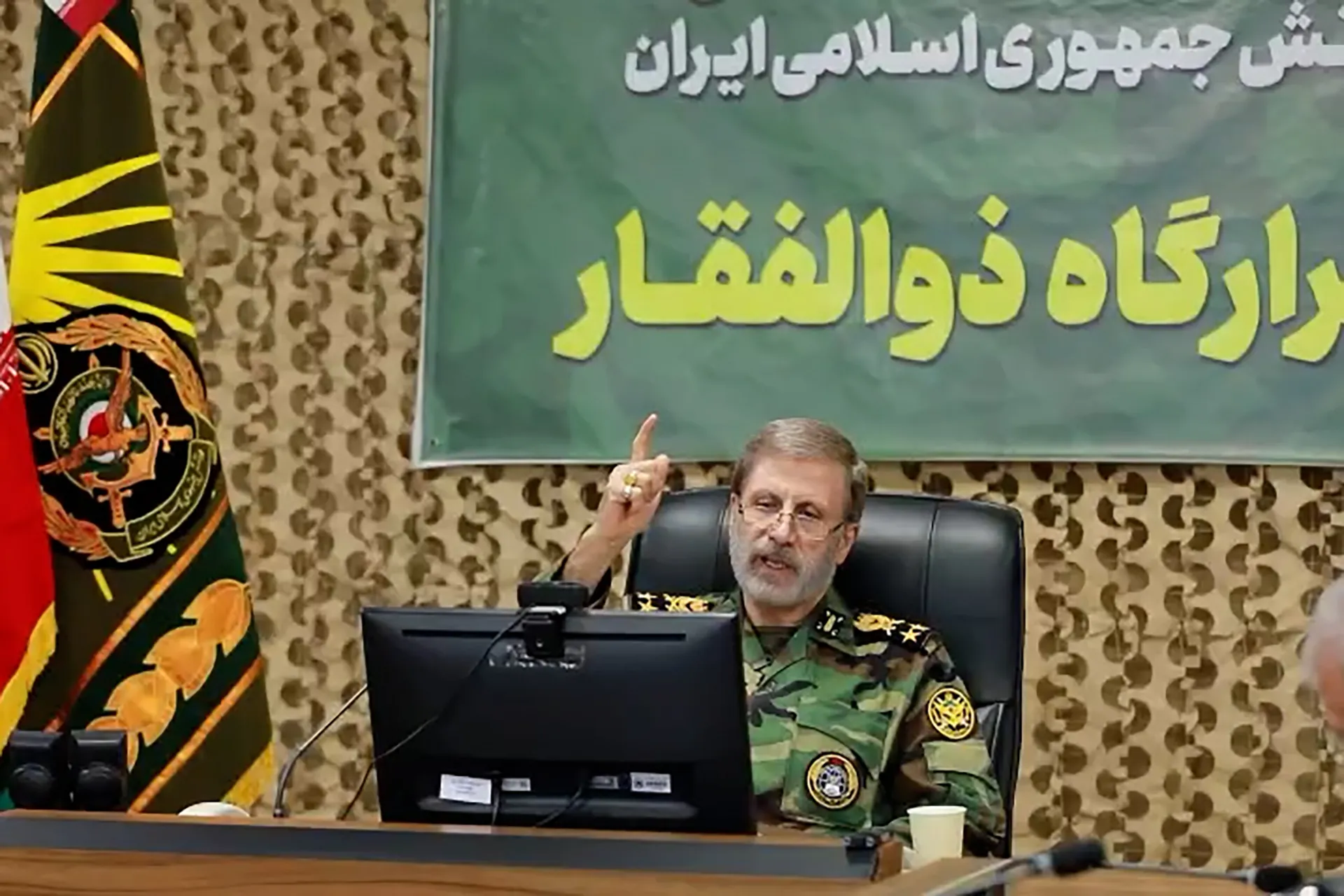
Historically, relations between Iran and the United States have seen a notable escalation since Washington's withdrawal from the nuclear agreement in 2018. These developments have led to increased military tensions in the region, as Iran seeks to enhance its military capabilities in the face of external pressures. In this context, the Iranian army published images of a military meeting led by General Amir Hatami, reflecting Tehran's readiness for potential ground operations.
Abu Zaid points out that the meeting, held at the Khatam al-Anbiya headquarters (for joint operations) and attended by a large number of military leaders, reflects Iran's readiness for a potential ground operation, which may be confirmed by intelligence sensors.
Impact & Consequences
The timing of Iranian rocket barrages coincides with specific times of the day, increasing their impact on Israel. Iran focuses these attacks on strategically important areas, such as Bnei Brak, in an attempt to deepen the internal Israeli crisis. The simultaneous targeting from Lebanon and Iran reflects an integrated strategy aimed at exhausting Israeli defenses.
On the Lebanese front, Israeli media reports that the Israeli army has advanced 14 kilometers into the south, reflecting the difficulties faced by Israeli forces due to the geographical nature of the region. The Israeli army relies on controlling elevated sites such as Maroun al-Ras and Tal al-Awida, in an attempt to expand its control range.
Regional Significance
Concerns are rising in the region over escalating military tensions, as these events could lead to widespread ramifications for regional security. The current situation reflects a changing balance of power in the region, as Iran and its allies seek to enhance their military capabilities in the face of Western pressures.
In conclusion, the situation in the region remains tense, as recent developments indicate that the conflict may escalate further, necessitating close monitoring by the international community.