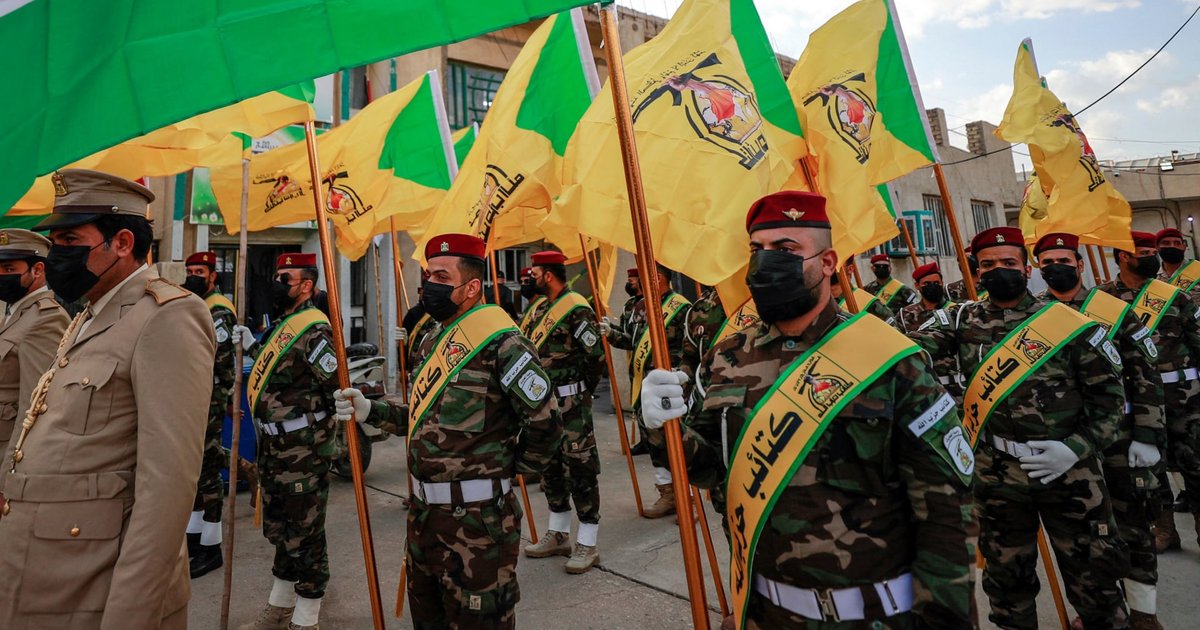
Military tensions are intensifying in Lebanese territory as Israel continues to implement its strategies to isolate the Southern Litani region. In this context, former minister Richard Kiyomjian provided a precise analysis of the ongoing conflict between Israel and Hezbollah, highlighting the political and military dimensions of these developments and their impact on the sovereignty of the Lebanese state and the interests of its people.
The Southern Litani region is considered a strategic point in the Lebanese-Israeli conflict, where many battles and disputes have concentrated over the years. With the escalation of military operations, concerns are growing about the impact of these events on internal stability in Lebanon, which is already suffering from accumulated economic and political crises.
Details of the Event
Reports indicate that Israel has begun to carry out military operations aimed at isolating the Southern Litani region from the rest of Lebanese territory. These steps are part of its security strategy aimed at reducing the influence of Hezbollah, which many observers regard as a faction supported by Iran. These operations have sparked varied reactions in the Lebanese political arena, with some viewing them as a direct threat to Lebanon's sovereignty.
In this context, Kiyomjian emphasized that these military operations do not only affect Hezbollah but also impact the interests of the Lebanese people in general. He pointed out that the continuation of these tensions could exacerbate the economic and social crises that Lebanon is experiencing, increasing the suffering of citizens.
Background & Context
Historically, the Southern Litani region has witnessed numerous conflicts between Lebanon and Israel, having been the theater of many wars and disputes. Since 2000, following the withdrawal of Israeli forces from Lebanon, Hezbollah has become the main military force in the south, leading to heightened tensions with Israel. With the increasing Iranian influence in the region, Hezbollah has become part of the regional conflict equation, complicating the situation in Lebanon.
The political and military dimensions of this conflict are intertwined, as Israel seeks to diminish Hezbollah's influence while the party aims to strengthen its position as a resistance force. This conflict is not limited to military dimensions but also extends to economic and social aspects, as Lebanon suffers from multiple crises affecting the lives of its citizens.
Impact & Consequences
Forecasts suggest that the continuation of Israeli military operations may lead to an escalation of tensions in the region, which could affect internal stability in Lebanon. Additionally, these events could exacerbate humanitarian crises, as many Lebanese suffer from shortages of essential resources due to economic and political crises.
Furthermore, these operations may impact relations between Lebanon and neighboring countries, as the international community seeks to find peaceful solutions to the conflict. With increasing international pressures, the Lebanese government may find itself in a difficult position, having to deal with both internal and external pressures simultaneously.
Regional Significance
The current events in Lebanon are part of a broader conflict in the Arab region, where regional and international interests intersect. The escalation of tensions between Israel and Hezbollah could affect stability in neighboring countries such as Syria and Palestine, raising fears of new conflicts erupting.
Moreover, these events may strengthen the position of regional powers seeking to enhance their influence in the area, further complicating the situation. Under these circumstances, the future of Lebanon and the Arab region remains uncertain, with ongoing political and economic challenges.
In conclusion, the situation in Lebanon remains under scrutiny, as the international community and local observers must closely monitor developments. The ongoing conflict between Israel and Hezbollah is not merely a military dispute but part of a larger battle concerning sovereignty and national interests.