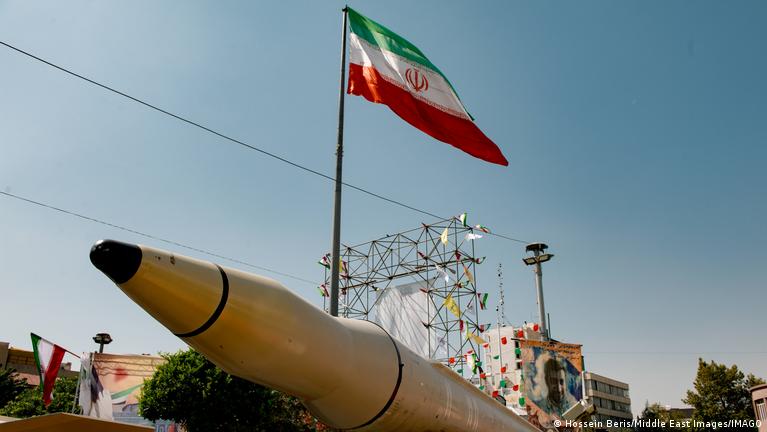
U.S.-Iran relations are marked by military escalation and a willingness to negotiate, reflecting an unconventional policy by the Trump administration. Under these circumstances, fears of rising military tensions are increasing, while some indicators suggest a desire to resume dialogue between the two sides.
This dynamic is evident in the contradictory statements from U.S. and Iranian officials, with signals from both sides indicating the possibility of negotiations despite ongoing military threats. This disparity reflects the complexities of the political landscape in the Middle East, where strategic interests play a pivotal role.
Details of the Event
Recently, media reports have noted an escalation in U.S. military activities in the Gulf region, with naval forces being bolstered in waters near Iran. These steps come at a time when tensions are rising due to Iran's nuclear program, which remains a significant concern for the United States and its allies.
On the other hand, Iranian sources have reported that Tehran is willing to return to the negotiating table, but under specific conditions related to lifting the economic sanctions imposed on it. These statements indicate Iran's desire to improve its economic situation amid increasing pressures it faces.
Background & Context
The roots of tensions between the United States and Iran go back decades, with relations between the two countries experiencing sharp fluctuations since the Iranian Revolution in 1979. Since then, the U.S. has pursued a policy of pressure on Iran, including imposing strict economic sanctions.
In recent years, these tensions have notably escalated, especially after the U.S. withdrawal from the Iranian nuclear agreement in 2018. This decision exacerbated the situation, as Iran began to resume its nuclear activities, raising concerns in the international community.
Impact & Consequences
The implications of these dynamics are manifold at both regional and international levels. If military escalation continues, we may witness an increase in armed conflicts in the region, potentially destabilizing neighboring countries such as Iraq and Syria.
Conversely, if negotiations are successfully resumed, it could lead to a de-escalation of tensions and open new avenues for cooperation between Iran and the United States. However, the question remains: can trust be established in the intentions of both parties?
Regional Significance
These developments directly affect Arab countries, as Iran is a key player in many regional conflicts. Escalating tensions could lead to heightened conflicts in areas like Yemen and Lebanon, where Iran-backed groups are present.
On the flip side, any negotiation opening could improve relations between Iran and Arab states, potentially contributing to relative stability in the region. However, the biggest challenge remains how to address the security concerns raised by Iranian activities.
In conclusion, U.S.-Iran relations remain shrouded in ambiguity, intertwined with strategic interests and security challenges. Under these circumstances, the international community must closely monitor developments, as they could significantly impact the future of the region.