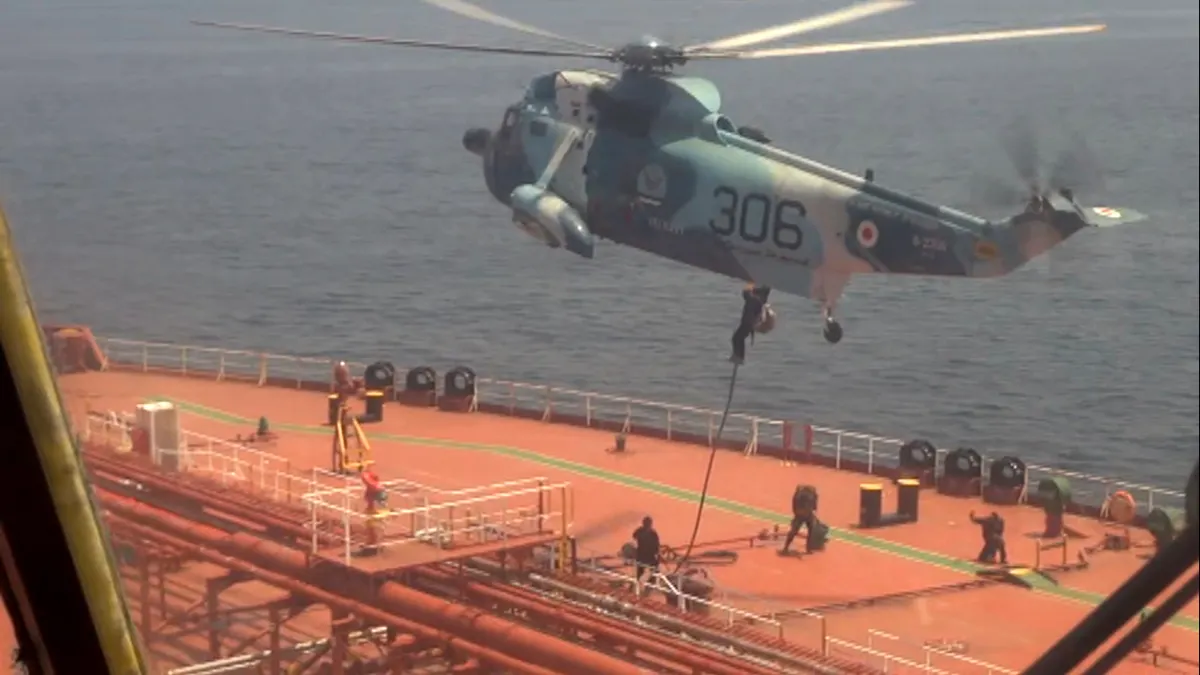
The region has witnessed a serious military escalation as the United States launched an attack on an Iranian nuclear site while Iran targeted an oil tanker off the coast of Dubai. These events occur at a sensitive time amid rising tensions between the two parties, raising international concerns about regional stability.
The US attack targeted a nuclear facility believed to be part of Iran's nuclear program, which has long been a source of concern for the United States and its allies. In response, Iran targeted an oil tanker, reflecting the escalating tensions in the Arabian Gulf.
Details of the Incident
In the details of the US attack, military sources reported that the strikes targeted vital installations at a nuclear site believed to be used for developing nuclear weapons. This attack follows a series of American warnings to Iran regarding its nuclear activities, which Washington considers a threat to regional and international security.
As for the Iranian attack on the oil tanker, the incident occurred off the coast of Dubai, where Iranian forces targeted the tanker in a move considered an unprecedented escalation in the ongoing conflict. This attack reflects Iran's strategy of using military force as a means to pressure the United States and its allies.
Background & Context
Tensions between the United States and Iran have been escalating since Washington's withdrawal from the nuclear agreement in 2018, which aimed to limit Iran's nuclear activities. Since then, the United States has imposed strict sanctions on Iran, leading to the deterioration of the Iranian economy and increasing internal pressures.
In recent years, the region has witnessed numerous military incidents between US and Iranian forces, including attacks on commercial vessels and targeting military bases. These events reflect a state of increasing instability in the Gulf region, where regional and international interests intersect.
Impact & Consequences
The recent attacks could lead to a greater escalation in the conflict between the United States and Iran, threatening regional security and increasing the likelihood of a comprehensive military conflict. These events may also affect global oil markets, as the Gulf region is one of the most important maritime routes for oil trade.
Military analysis indicates that these escalations could lead to chain reactions from both sides, increasing the risk of unexpected incidents. At the same time, major powers may seek to intervene to mitigate the escalation, but this may require intensive diplomatic efforts.
Regional Significance
The recent events have significant implications for Arab countries, especially those located in the Gulf region. The escalation between the United States and Iran could affect the stability of these countries and increase fears of new conflicts. Additionally, these events may lead to heightened tensions among various factions in the region, complicating peace and stability efforts.
In conclusion, the situation in the Gulf region remains sensitive and requires close monitoring by the international community. The military escalation between the United States and Iran could have far-reaching implications for regional and international security, necessitating urgent steps to avoid further escalation.