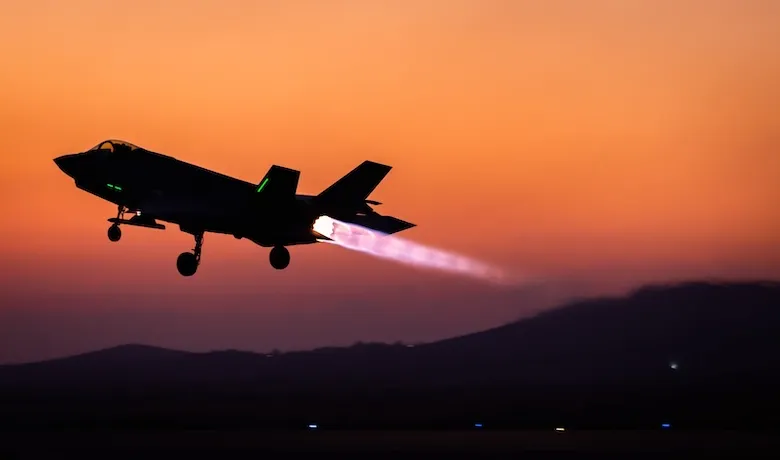
Military operations continue on the 39th day of the US-Israeli war on Iran, with escalating mutual shelling between the conflicting parties. In this context, reports indicate that Israel targeted Iran's largest petrochemical plant, causing significant damage to the facility.
In response, Iran retaliated with missile strikes targeting areas in central Israel, including the capital Tel Aviv, heightening tensions in the region. These events come at a critical time as the deadline for reaching an agreement between the United States and Iran approaches.
Details of the Incident
Events are unfolding rapidly, with military sources confirming that Israeli attacks targeted vital sites in Iran, reflecting Tel Aviv's strategy to undermine Iranian military capabilities. On the other hand, Iranian reactions highlight Tehran's determination to confront any aggression against its sovereignty.
Concerns are growing over a potential escalation, as mutual shelling could lead to serious repercussions for regional security. US President Donald Trump has renewed threats against Iran, increasing pressure on Tehran under the current circumstances.
Background & Context
The roots of the current conflict trace back to years of political and military tensions between Iran, the United States, and its allies in the region. Since the US withdrawal from the Iranian nuclear deal in 2018, tensions have escalated significantly, leading to a series of military confrontations.
Historically, relations between Iran and Israel have been strained, with Israel viewing Iran as an existential threat. In recent years, Israeli military operations against Iranian targets in Syria have further complicated the conflict.
Impact & Consequences
Estimates suggest that the continuation of mutual shelling could lead to unprecedented escalation in the region, threatening the stability of neighboring countries. Additionally, these events may impact the global economy, especially with rising oil prices due to disruptions in the Middle East.
Moreover, military escalation could increase the number of displaced persons and refugees, placing additional pressure on neighboring countries hosting these individuals. There are also concerns that the conflict could lead to military interventions from other countries, further complicating matters.
Regional Significance
Arab countries neighboring Iran and Israel are on high alert regarding the ongoing situation. The conflict could affect regional security, placing Arab nations in a difficult position. There are fears that escalating tensions may ignite new conflicts in the region.
At the same time, some regional powers may exploit the current situation to enhance their influence, complicating the political landscape further. It is crucial for Arab nations to remain united in facing the challenges that may arise from this conflict.
The escalation of mutual shelling between Iran and Israel signifies a dangerous intensification of the conflict, necessitating international attention to intervene and seek peaceful solutions before matters worsen.