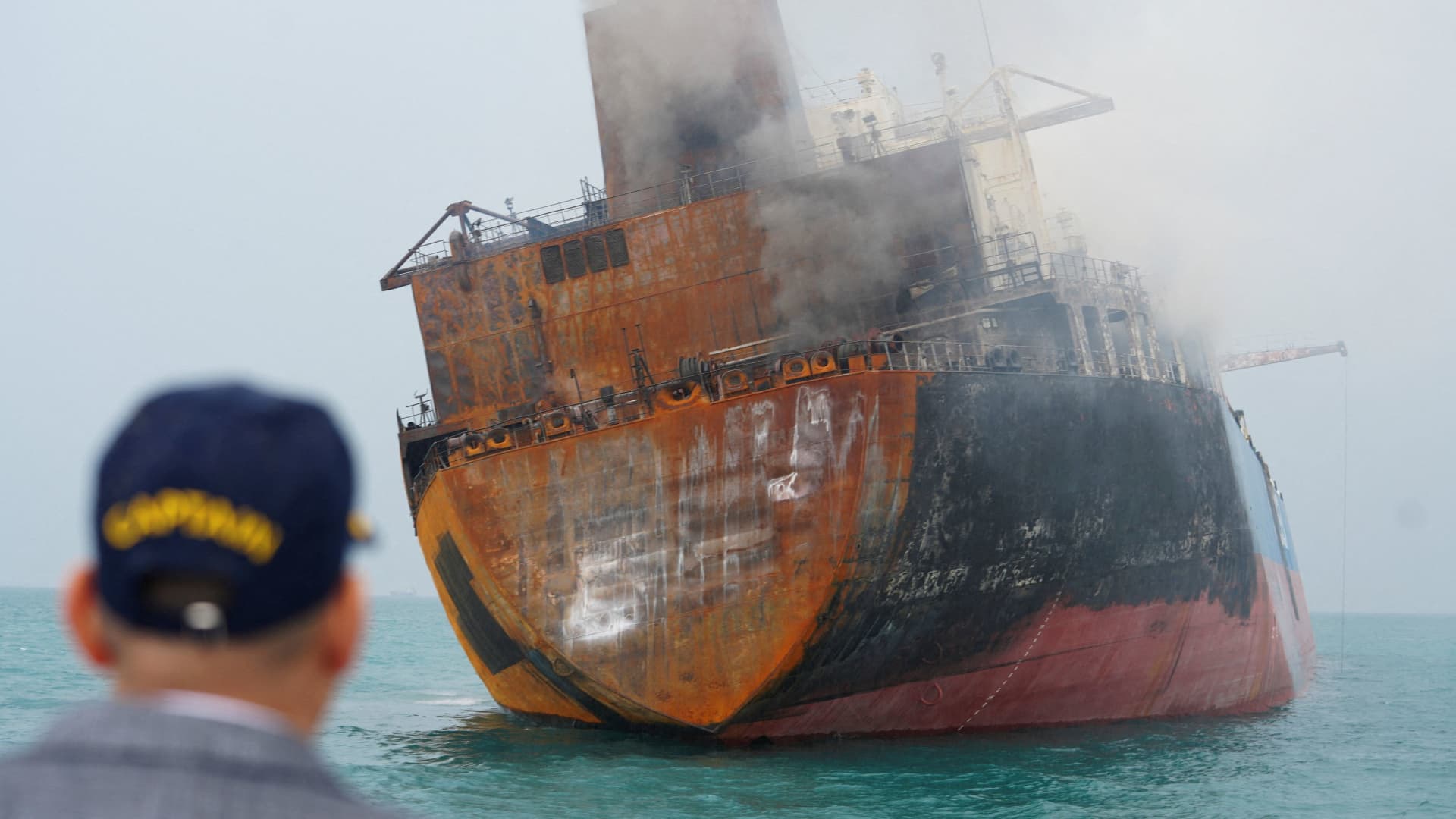
Reports indicate that the US-Israeli war against Iran could place the global economy in a critical position in the coming weeks. As the conflict continues, concerns are growing about the potential for disruptions in oil supplies, especially if the Strait of Hormuz, which is a vital transit point for about 20% of global oil supplies, remains closed.
Industry experts and analysts are increasingly worried that the repercussions of the war could lead to a significant rise in energy prices, impacting the global economy as a whole. Many oil executives have pointed out that the damage to the market may have already occurred, making it difficult to return to previous low prices.
Details of the Event
In recent days, the Strait of Hormuz has seen a significant decrease in traffic due to Iranian attacks on civilian ships and energy infrastructure. This has led to a halt in shipping traffic in the strait, affecting global oil supplies. In this context, the US government announced the release of 400 million barrels from its strategic reserves, the largest recorded release, along with a temporary lifting of sanctions on some Russian and Iranian oil to alleviate market pressure.
However, experts agree that there is no substitute for reopening the strait. Chevron's CEO, Mike Wirth, noted that the closure of the strait has tangible effects on global markets. Additionally, Wael Sawan, CEO of Shell, added that the disruptions that began in South Asia have now spread to other regions such as Southeast Asia and Europe.
Background & Context
Historically, the Strait of Hormuz is considered one of the most important waterways in the world, through which massive quantities of oil pass. The region has experienced recurring tensions due to political and military conflicts. In recent years, tensions between the US and Iran have escalated, increasing risks to oil supplies.
These events coincide with rising oil prices in global markets, with Brent crude futures rising by 36% since the beginning of the conflict. In contrast, oil prices in Dubai, which reflect actual delivery prices, have increased by 76%, highlighting the gap between paper prices and actual prices.
Impact & Consequences
Forecasts suggest that the world may face a significant oil supply shortage by mid-April, with production losses expected to double to around 10 million barrels per day, representing about 5% of global supplies. This shortage could lead to a substantial increase in prices, contributing to rising global inflation rates.
Prices for liquefied natural gas are also affected, with prices in Japan and South Korea rising by 48%. Additionally, jet fuel prices are witnessing a notable increase, raising concerns about broader economic impacts.
Regional Significance
Arab countries are directly affected by these events, as many rely on oil revenues. Rising prices could increase economic pressures on oil-importing countries, while producing countries may benefit from higher prices. However, any disruptions in supplies could lead to instability in the region.
In conclusion, it is clear that the situation in the Strait of Hormuz carries significant implications for the global economy, and concerned nations must take urgent steps to prevent any escalation of the crisis.