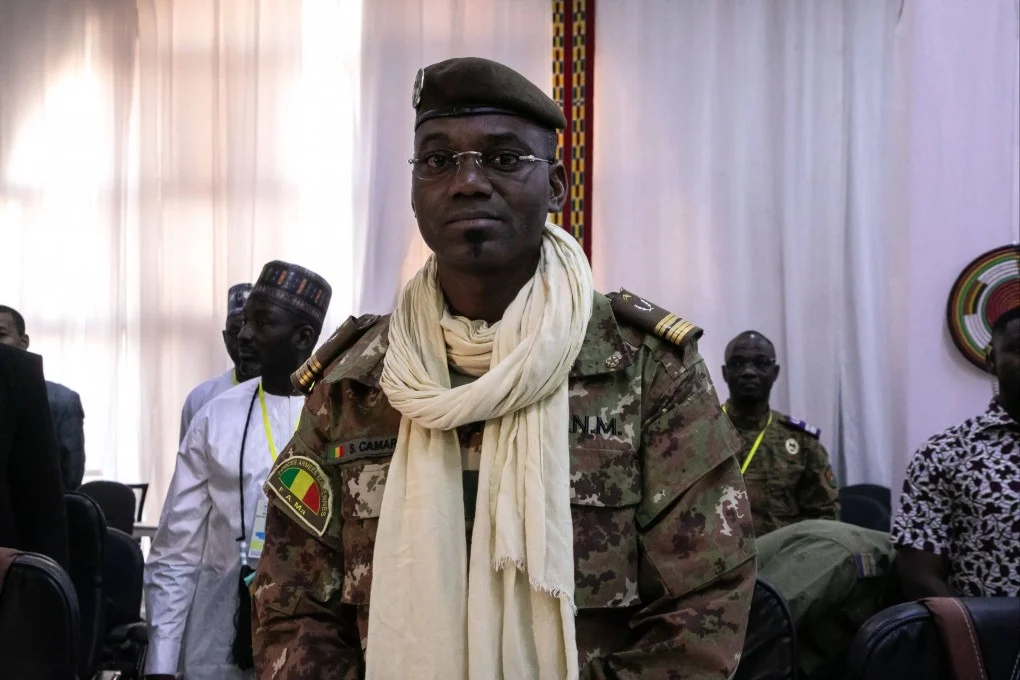
Mali is experiencing an unprecedented security crisis after coordinated attacks by jihadist groups and separatist rebels led to the death of the defense minister, further escalating chaos in the country. The attacks, which began on Saturday morning, resulted in the rebels seizing a key city in the northern part of the nation, raising fears of worsening security conditions.
No statements have been made by General Assimi Goita, the leader of the military coup, who has not been seen since the attacks commenced. These developments come at a sensitive time for Mali, which has already been grappling with rising violence and terrorism in recent years.
Details of the Attacks
The attacks that occurred across the country were coordinated between fighters from the Azawad Liberation Front and jihadist groups, indicating a high level of coordination among these factions. The assaults targeted both military and civilian sites, resulting in numerous casualties.
The city captured by the rebels is considered a strategic point, serving as an important center for military and logistical operations. This seizure reflects the deteriorating security situation in the country and increases concerns about the government's ability to maintain control.
Background & Context
Historically, Mali has witnessed a series of military coups since 2012, with conflicts escalating between the government and northern rebels. These conflicts have led to international interventions, including the presence of French and African forces, but have failed to achieve lasting stability.
The transitional government faces increasing challenges as it seeks to regain control over areas held by armed groups. The current situation reflects a failure to address the root causes of the conflict, including poverty and social discrimination.
Impact & Consequences
The repercussions of these events could be severe for regional security, as they may encourage other armed groups in the region to carry out similar attacks. Additionally, the deterioration of security conditions could exacerbate humanitarian crises, with many populations suffering from food shortages and lack of basic assistance.
This crisis is likely to increase pressure on the transitional government, potentially undermining its ability to make effective decisions. The absence of clear leadership may also contribute to the spread of chaos throughout the country.
Regional Significance
These events serve as an indicator of the worsening security situation in the Sahel region, necessitating greater international attention. The instability in Mali poses a threat not only to its own citizens but also to neighboring countries, highlighting the interconnectedness of security challenges in the region.
In conclusion, the situation in Mali underscores the urgent need for comprehensive strategies to address the underlying issues fueling conflict, emphasizing the importance of international cooperation in restoring stability.