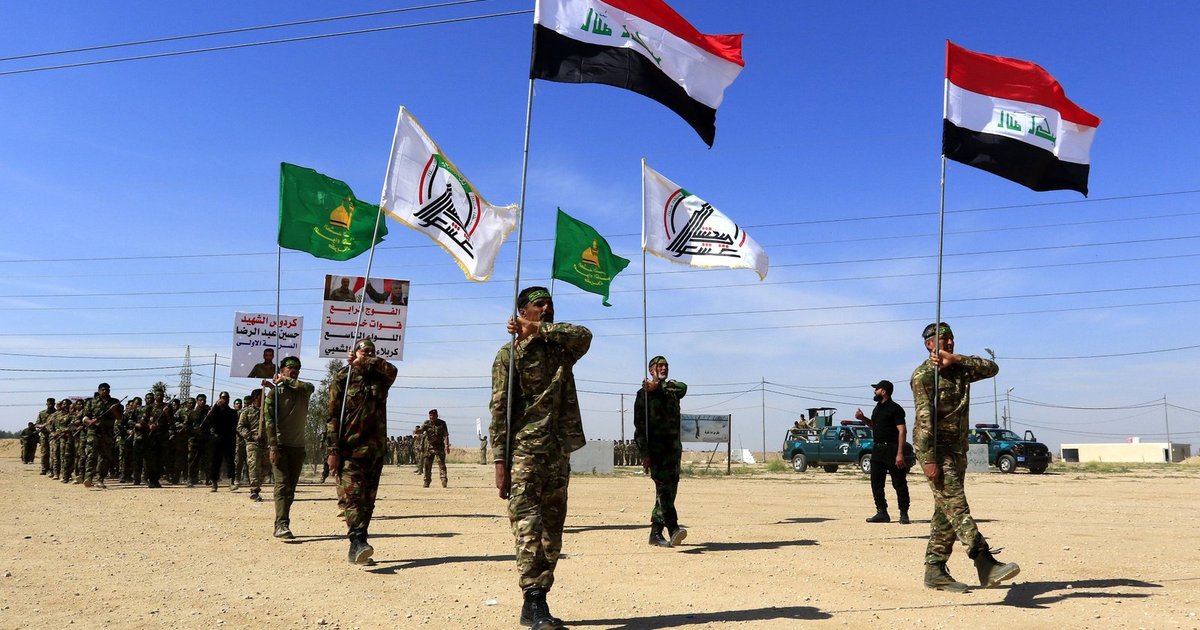
Iraq is currently facing a state of escalating security tensions, with increasing attacks carried out by the Popular Mobilization Forces using drones and missiles, targeting American interests and other objectives within Iraqi territory. This escalation occurs within the broader context of the regional conflict between the United States and Israel on one side and Iran and its allies on the other, complicating the security landscape in the country.
Since late February, Iraq has witnessed a series of attacks targeting military bases and American interests, raising international concerns about the stability of the region. These attacks come at a sensitive time, as tensions between major powers in the Middle East are rising, threatening to ignite a wider conflict.
Details of the Attacks
Reports of attacks carried out by the Popular Mobilization Forces continue to emerge, with the armed group using drones and missiles to target American bases. These operations are not new, but they have seen a significant escalation in recent months, reflecting the increasing tensions between Iran and the United States. These attacks are considered part of the Popular Mobilization Forces' strategy to respond to growing American pressures in the region.
In this context, reports indicate that these attacks may be supported by Iran, which seeks to enhance its influence in Iraq. Recent events have shown that the Popular Mobilization Forces have become a key tool in the regional conflict, further complicating the security situation in the country.
Background & Context
Since the American invasion of Iraq in 2003, the country has experienced a series of security and political crises. With the withdrawal of American forces, armed groups such as the Popular Mobilization Forces emerged, initially formed to confront the Islamic State. However, over time, these groups have taken on a larger role in Iraqi politics, leading to increased tensions among various factions.
Historically, Iraq has been a battleground for regional conflicts, with major powers competing for influence. As tensions escalate between the United States and Iran, Iraq has become a focal point in this conflict, complicating the security situation in the country.
Impact & Consequences
These tensions could lead to a further escalation of violence, threatening Iraq's stability and increasing the suffering of the Iraqi people. If attacks continue, the United States may intervene more significantly, raising the risk of direct military conflict.
Moreover, the escalation of violence could impact the Iraqi economy, which is already facing significant challenges. The deterioration of the security situation may lead to a decline in foreign investments, increasing economic pressures on the Iraqi government.
Regional Significance
The events in Iraq are indicative of broader tensions in the region. If the escalation continues, its impact may extend to neighboring countries, increasing the risk of new conflicts. Additionally, the situation in Iraq could affect relations between Arab states and Iran, as some countries seek to strengthen their alliances in the face of increasing Iranian influence.
In conclusion, the situation in Iraq remains complex, with internal and external factors intertwining. It is crucial to closely monitor developments, as any escalation could have serious repercussions for regional security.