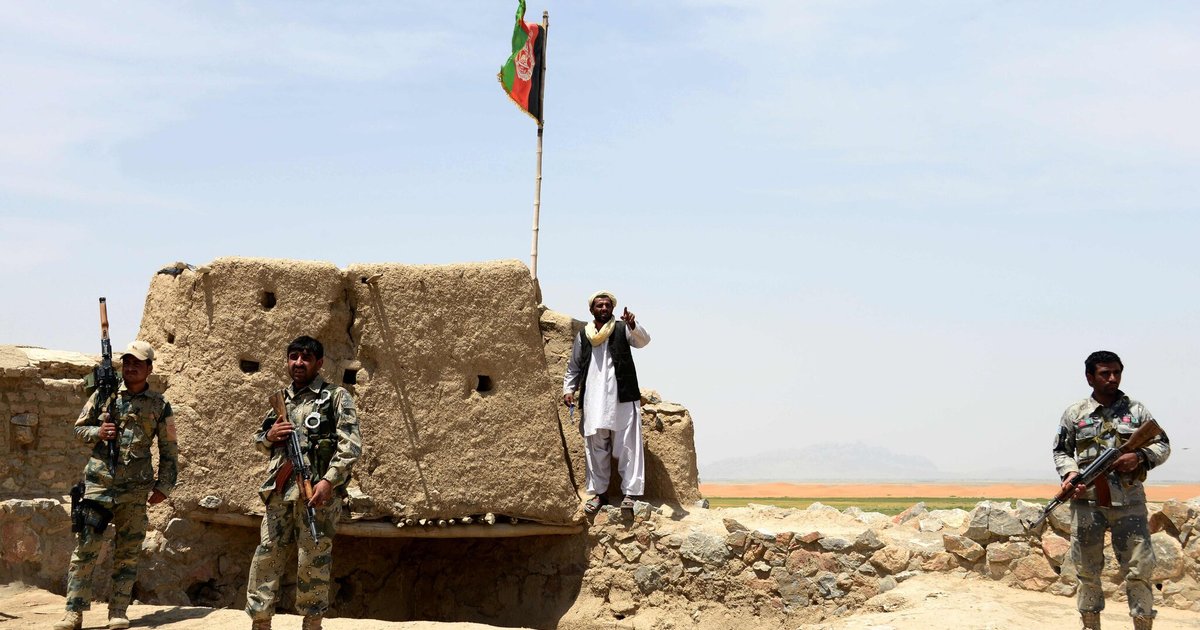
A state of heightened tension prevails along the border between Afghanistan and Pakistan, where civilians in border villages live under the daily threat of shelling. This military escalation is not limited to official statements; it directly impacts the lives of people who are suffering from constant fear and anxiety.
In Konar province, eastern Afghanistan, the suffering of the residents is evident, as the sounds of artillery and explosions have become part of their daily routine. One resident, Haroon Al-Rashid Safi, states, "Fear has become our constant companion, and the road to the market is fraught with danger." This situation forces families to adapt to harsh conditions, living in a state of perpetual alert.
Details of the Situation
Sara Safi, a mother living in one of the border villages, describes the situation by saying, "Nights have become long and exhausting; we try to protect ourselves and our children, waiting for the next strike at any moment." This pervasive sense of fear affects their daily lives, from locking doors at night to cautiously venturing out to markets during the day.
Local reports indicate that recent shelling has damaged several homes, forcing some families to temporarily leave their houses. Emergency teams face difficulties reaching the affected areas due to rough terrain and limited resources.
Background & Context
These events come at a time when the Pakistani city of Peshawar is preparing to host a joint peace committee between the two countries, which includes political figures, tribal elders, and religious scholars. This committee aims to reduce tensions along the border and enhance confidence-building measures.
Despite the efforts being made, the ground situation remains complex, as analysts believe that the success of the committee hinges on its ability to translate discussions into actionable steps. Afghan government spokesman Zabihullah Mujahid confirmed that Kabul does not allow its territory to be used for attacks on Pakistan, reflecting a desire for peace.
Impact & Consequences
The military escalation does not only result in human casualties but also disrupts livelihoods, as agricultural and commercial activities in some areas have been halted. This situation increases the pressure on residents who rely on border stability to secure their daily sustenance.
At Asadabad Hospital, the extent of the disaster is evident, as the recent attack resulted in one death and 15 injuries, most of whom are women and children. Medical teams struggle to provide necessary care under limited capabilities.
Regional Significance
These events indicate a rise in tensions in a vital region experiencing multiple conflicts. They also reflect the urgent need for dialogue and understanding among the involved parties, which could impact regional security.
Under these circumstances, the hope for achieving peace remains fragile, as past experiences have not led to sustainable calm. With the continued shelling in Konar, the hopes of residents in border areas remain cautious.