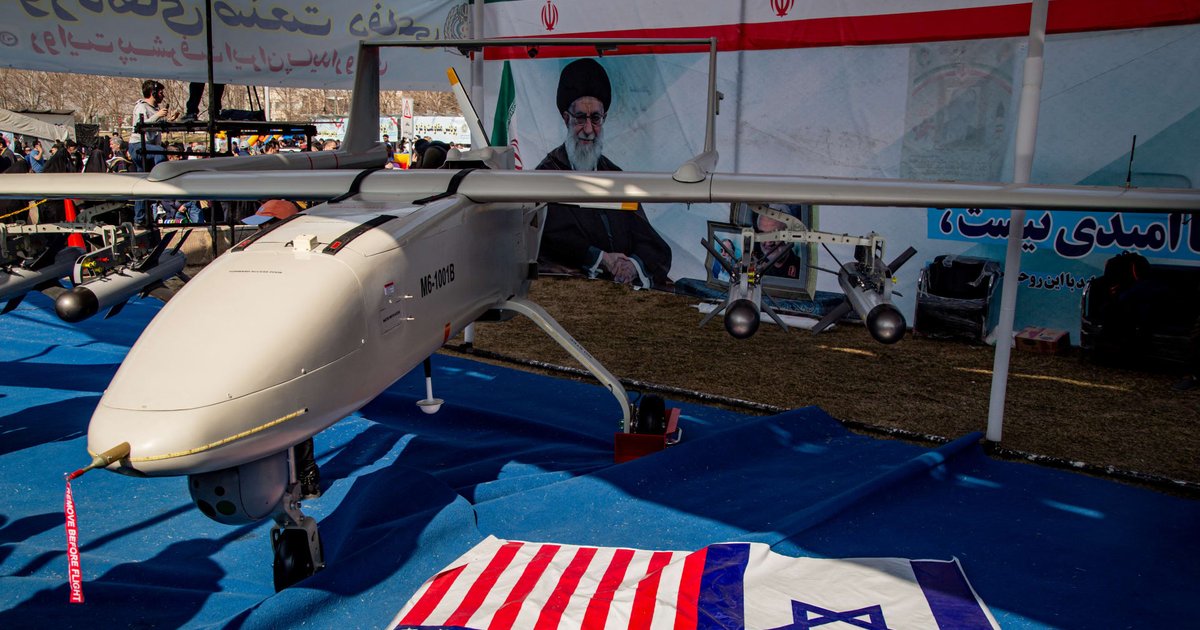
Tensions are escalating in the ongoing discussions between Iran and the United States regarding the resolution of the war that has persisted for nearly a month. Both parties are exchanging sharp statements that reflect a reluctance to make concessions. This development comes at a time when fears are growing about the implications of the conflict on regional security, raising concerns among neighboring countries.
In recent days, Iran has confirmed that it will not accept any preconditions from the American side, indicating that any talks must be based on mutual respect. In contrast, the United States has stated that it will not back down from its position regarding the necessity for Iran to adhere to international standards before any agreement.
Details of the Event
These statements come at a sensitive time, as the intensity of the conflict in the region has increased, exacerbating humanitarian conditions in the affected areas. Reports have shown that the number of casualties in the conflict has risen significantly, putting pressure on the international community to intervene.
There are also increasing calls from humanitarian organizations to provide aid to those affected by the conflict, as civilians are suffering from severe shortages of food and clean water. In this context, some countries are seeking to mediate between the two parties, but it seems that rigid positions are hindering any real progress.
Background & Context
Historically, relations between Iran and the United States have been marked by increasing tensions for decades, starting from the Iranian Revolution in 1979 and the subsequent events. These tensions have led to a series of regional conflicts, with American forces positioned near the Iranian border, heightening provocations between the two sides.
Over the years, several countries have attempted to mediate disputes between Iran and the United States, but these efforts have often faced failure due to mutual distrust. As events escalate, it has become clear that any lasting solution requires radical changes in the domestic and foreign policies of both countries.
Impact & Consequences
The ramifications of the current conflict extend beyond Iranian borders, as it could affect stability throughout the Middle East. Increased tensions could lead to military escalation, threatening regional security and exacerbating civilian suffering.
Furthermore, any escalation in the conflict could impact global oil prices, as Iran is one of the largest oil producers in the region. Consequently, any disruptions in production could lead to price increases, affecting the global economy.
Regional Significance
For Arab countries, the rising tensions between Iran and the United States represent a significant concern, as they could lead to increased sectarian tensions and regional disputes. Many Arab nations, such as Saudi Arabia and the UAE, are closely monitoring the situation, as any escalation could impact their national security.
There are also fears that the conflict could lead to an influx of refugees into neighboring countries, increasing pressure on resources and services in those nations. In this context, Arab countries must be prepared to deal with any potential repercussions.
In light of these tense circumstances, there remains hope that the international community can push both parties towards dialogue and reach a peaceful resolution that ends humanitarian suffering and achieves stability in the region.