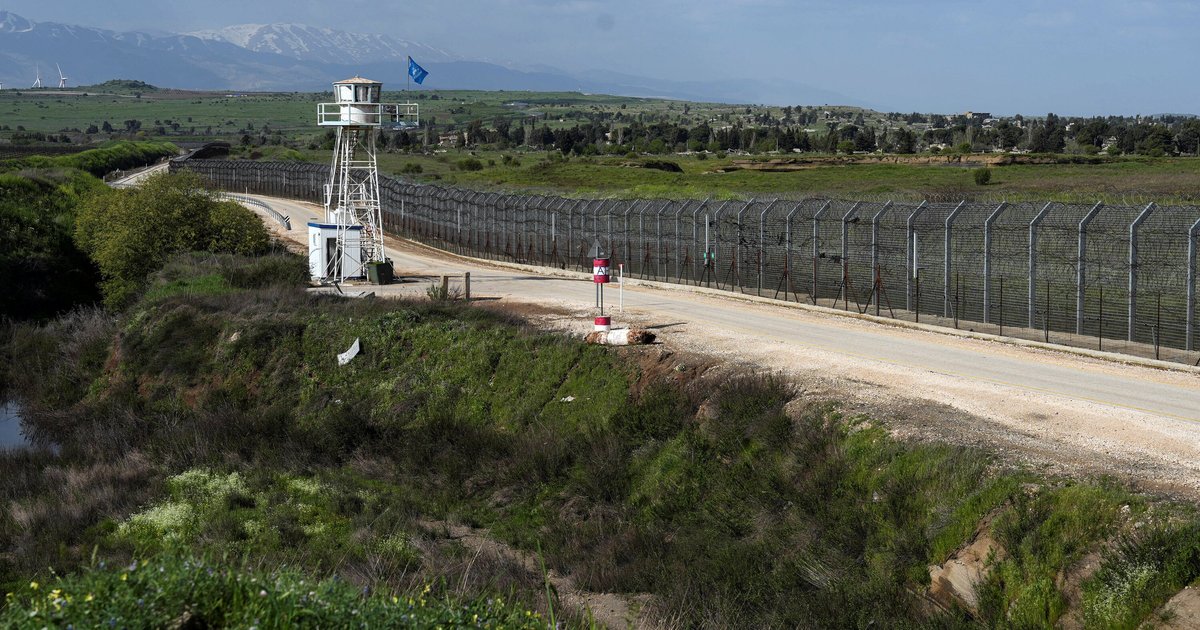
Israeli-Iranian relations are witnessing a significant escalation, with organized reciprocal attacks becoming evident. The Iranians are targeting the Dimona area with missiles, while Israel is responding by striking the Arak reactor. This new pattern of attacks reflects a shift in the strategy of both parties, as each seems to be aiming to target the vital infrastructure of the other.
Last week, reports indicated an increase in Iranian attacks on Israeli territory, with Iranian missiles targeting the Dimona area, known for its nuclear reactor. In response, Israel launched airstrikes on the heavy water reactor in Arak, which is one of the main centers of the Iranian nuclear program. This exchange of fire reflects an unprecedented escalation in the conflict between the two countries.
Details of the Event
The reciprocal attacks between Iran and Israel are ongoing, with reports indicating that the Iranians have inflicted damage on a petrochemical plant for chemical fertilizer production in the Ramat Hovav area. In a direct reaction, Israel targeted a petrochemical plant that relies on refining chemicals. These operations indicate a shift in the military strategy of both sides, focusing on targeting infrastructure rather than traditional military objectives.
This pattern of attacks seems to reflect both parties' desire to inflict as much damage as possible on each other's economic and military capabilities, complicating the security situation in the region. Additionally, this escalation comes at a sensitive time, as fears grow over the potential outbreak of a comprehensive war in the Middle East.
Background & Context
Historically, relations between Iran and Israel have seen increasing tensions, especially after Israel considered the Iranian nuclear program a direct threat to its national security. For years, Israel has conducted airstrikes on Iranian sites in Syria, targeting arms shipments and military equipment heading to Hezbollah. In contrast, Iran seeks to enhance its influence in the region by supporting armed groups.
The Dimona area is one of the most sensitive regions in Israel, housing a nuclear reactor believed to be a cornerstone of Israeli military power. Meanwhile, the Arak reactor is one of Iran's main projects aimed at developing its nuclear capabilities. This competition over nuclear infrastructure reflects the broader conflict between the two states.
Impact & Consequences
These escalations could lead to serious repercussions for regional security, potentially resulting in unexpected military reactions from other parties in the region. Targeting vital infrastructure could affect both the Iranian and Israeli economies, potentially leading to negative economic consequences.
Moreover, this escalation could impact international relations, as major powers like the United States and Russia might intervene to mediate or support one of the parties. Such intervention could complicate the situation further and lead to greater escalation in the conflict.
Regional Significance
Arab countries are directly affected by the rising tensions between Iran and Israel, as any military escalation could destabilize the region. Neighboring countries to Israel and Iran may find themselves in a precarious position, needing to take clear stances regarding this conflict.
Additionally, these tensions may impact peace efforts in the region, potentially hindering any attempts to reach peaceful solutions to ongoing conflicts. Under these circumstances, the situation in the Middle East remains fragile, requiring Arab countries to take proactive steps to maintain their stability and security.
In conclusion, it seems that the conflict between Iran and Israel has entered a new phase of escalation, raising concerns about the future of security and stability in the region. The international community must closely monitor these developments and work to prevent any escalation that could lead to widespread conflict.