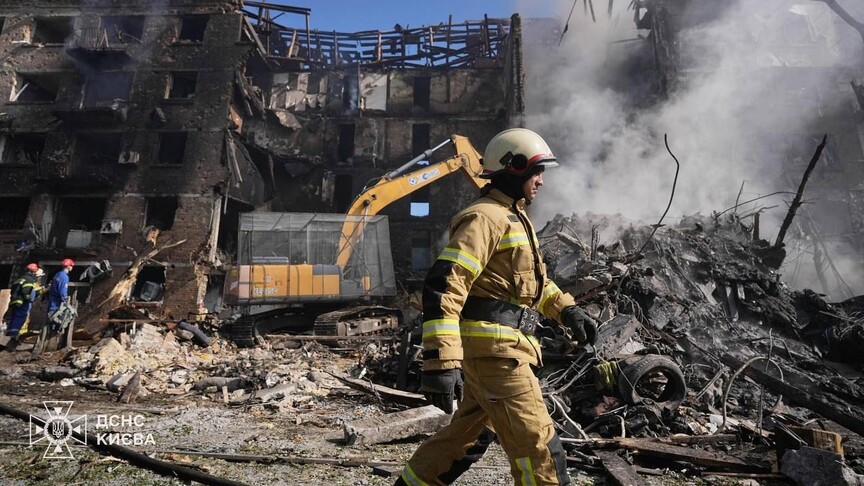
A new escalation unfolded during the United Nations Security Council session between Russia and Ukraine, with Kyiv accusing Moscow of targeting civilians in airstrikes that resulted in casualties. In response, Russia asserted that these attacks were retaliatory measures against previous strikes that targeted the Ukrainian city of Starobilsk.
These developments come at a sensitive time, as tensions between the two countries are intensifying, raising concerns in the international community regarding the deteriorating humanitarian situation in Ukraine. Ukrainian officials have indicated that Russian strikes have resulted in the deaths and injuries of numerous civilians, necessitating urgent international intervention.
Details of the Incident
During the recent Security Council session, Ukraine presented evidence supporting its claims that Russian airstrikes are targeting residential areas, leading to civilian casualties. Reports confirmed that the strikes were concentrated in densely populated regions, heightening fears of human rights violations.
For its part, Russia maintained that its military operations are conducted in self-defense, noting that the attacks on Starobilsk were aimed at military facilities belonging to the Ukrainian army. Moscow argued that its response was necessary to protect its national security.
Background & Context
The roots of the conflict between Russia and Ukraine date back to 2014, when Russia annexed the Crimea peninsula, leading to an armed conflict in eastern Ukraine. Since then, the region has witnessed a continuous escalation in hostilities, with increasing international pressure on Russia to cease its attacks.
It is noteworthy that the Ukrainian conflict has significantly impacted international relations, with many Western nations imposing sanctions on Russia while providing Ukraine with weapons and humanitarian aid. These dynamics complicate efforts to reach a peaceful resolution to the conflict.
Impact & Consequences
The recent escalation between Russia and Ukraine could exacerbate the humanitarian situation in the region, as civilians continue to suffer from the ongoing conflict. Additionally, the persistence of military pressures may lead to an increase in internally displaced persons, placing an additional burden on neighboring countries.
Furthermore, the escalation in rhetoric between the two sides may affect peace efforts being made by international organizations. As tensions rise, achieving consensus among the conflicting parties becomes increasingly challenging.
Regional Significance
The situation in Ukraine holds particular significance for the Arab region, as it could impact energy and food prices. Any escalation in the conflict may lead to rising oil prices, affecting Arab economies that heavily rely on energy imports.
Moreover, the Ukrainian conflict may open the door to international interventions that could influence stability in the region, prompting Arab nations to closely monitor developments.
The recent escalation between Russia and Ukraine at the United Nations reflects the ongoing tensions between the two sides and indicates that peaceful solutions remain elusive. The current situation requires concerted international efforts to find effective solutions that ensure the protection of civilians and achieve peace in the region.