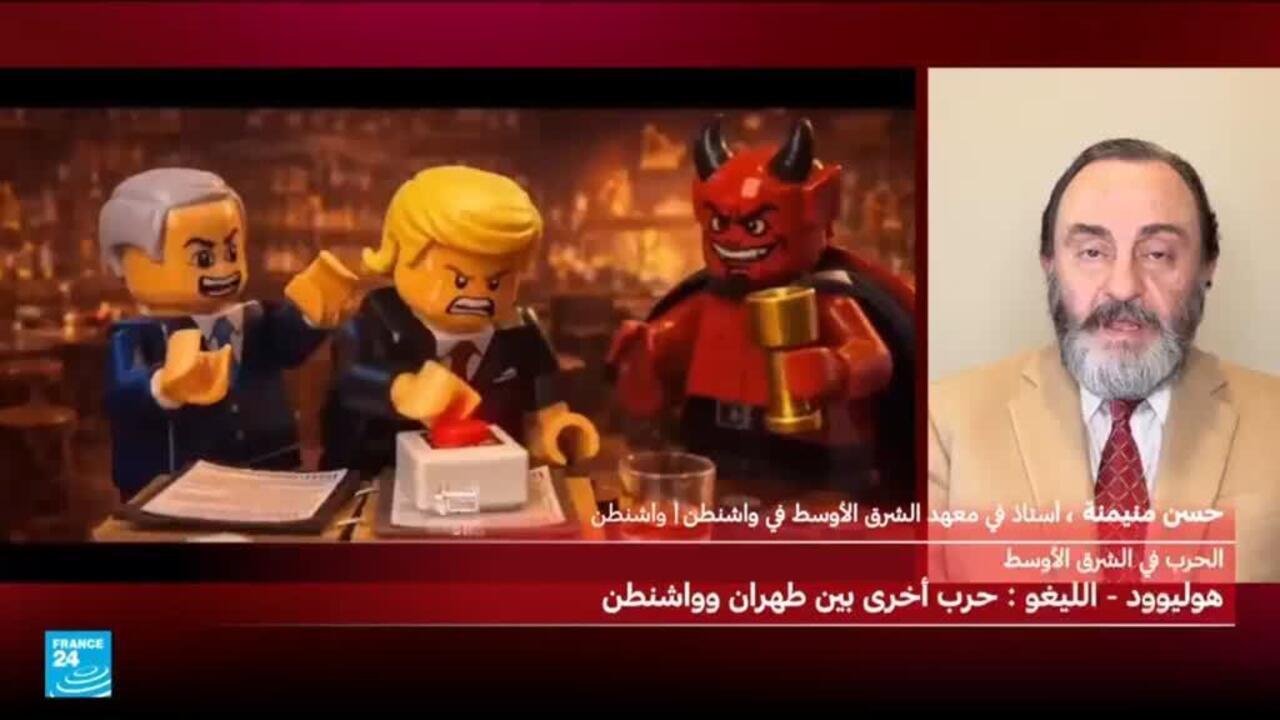
The confrontation between Tehran and Washington is intensifying over a new Hollywood film that the Iranian government deems offensive. This situation reflects the ongoing conflict between the two nations. The film has sparked strong reactions from the Iranian government, which considers it derogatory and a negative portrayal of Iran.
While Hollywood seeks to exploit diverse historical and cultural stories, this film seems to have crossed the line for Tehran. Iranian authorities believe the film promotes hostile ideas and targets Iranian cultural identity, leading to calls for a boycott from certain Iranian circles.
Details of the Controversy
The controversial film is based on historical events related to the conflict between Iran and the United States. Produced by famous Hollywood studios, this has heightened criticism from Iranian officials. A spokesperson for the Iranian government stated that the film represents part of a propaganda campaign aimed at distorting Iran's image in the world.
On the other hand, Hollywood responded to these criticisms by stating that the film aims to provide an artistic and cultural perspective, with no political intent. Producers emphasized their desire to present a story that reflects the complexities of international relations, including those between Iran and the United States.
Background & Context
The history of the conflict between Iran and the United States spans decades, beginning after the Iranian Revolution in 1979. Since then, relations between the two countries have continuously deteriorated, with numerous events contributing to the escalation of the conflict, including economic sanctions and proxy wars in the region.
In recent years, cultural and artistic relations between Iran and the United States have also experienced tensions, with films and television programs being part of this dynamic. Artistic works addressing Middle Eastern issues often face criticism from the involved countries, reflecting ongoing political conflicts.
Impact & Consequences
This new war between Tehran and Washington could exacerbate political tensions between the two countries, affecting diplomatic and economic relations. These events may contribute to increased division between cultures, as many in Iran feel targeted by artistic works that portray them negatively.
Furthermore, these events may impact the global film industry, potentially leading to a decline in cooperation between Hollywood and other countries. These tensions could also result in a boycott of films addressing Middle Eastern issues, limiting cultural diversity in cinema.
Regional Significance
Given the impact of events between Iran and the United States, the Arab region may witness indirect repercussions. These tensions could lead to increased division between Arab countries and Iran, reflecting ongoing regional conflicts. Additionally, these events may affect how Arabs are portrayed in global cinema, contributing to the reinforcement of negative stereotypes.
Ultimately, cinema remains a powerful medium for expressing political and cultural issues, but it is also a battleground for conflicts between nations. As this war between Tehran and Washington continues, the question of how it will affect cultural and political relations in the future remains open.