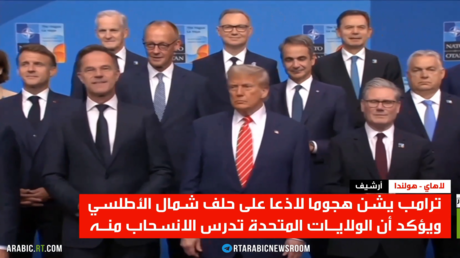
Relations between the United States and its NATO allies are increasingly tense, with President Donald Trump labeling the alliance a 'paper tiger' and threatening withdrawal. This statement comes amid rising regional tensions due to the conflict in Iran, raising concerns about the future of the alliance and the security of member states.
The intensity of tensions has escalated in recent weeks, with fears growing about the impact of the Iranian conflict on regional stability. Trump's remarks have elicited mixed reactions among NATO member states, with some viewing the comments as indicative of a growing divide within the alliance, while others see them as a legitimate concern regarding the United States' commitment to the security of its allies.
Details of the Incident
In his recent statements, Trump used harsh language towards NATO, indicating that the alliance is no longer what it once was and needs to reassess its role and importance. This statement comes at a sensitive time, as tensions in the Middle East are rising, particularly following increased Iranian military activities.
These remarks serve as a warning to NATO member states, as Trump questioned their willingness to bear financial and security burdens. This has raised concerns among many allies who heavily rely on American support in facing security threats.
Background & Context
NATO was established in 1949 as a military alliance aimed at countering Soviet threats. Over time, the alliance has evolved to include a variety of security challenges, including terrorism and regional conflicts. However, the current tensions between the United States and its allies indicate a crisis of confidence that could affect the alliance's effectiveness in the future.
Historically, the United States has played a pivotal role in supporting the alliance and enhancing security in Europe. However, with the rise of nationalism and isolationism in American politics, some are beginning to question the sustainability of this commitment. Recent developments in Iran have heightened these concerns, as Tehran is considered one of the largest threats to regional security.
Impact & Consequences
If tensions between Washington and its allies continue, this could lead to a reshaping of alliances in the region. Some European countries may seek to bolster their military capabilities independently, potentially eroding NATO's role. Additionally, this situation could open the door for other powers such as Russia and China to increase their influence in the region.
Moreover, a U.S. withdrawal from NATO could lead to increased instability in Europe, as some countries may feel vulnerable in the face of security threats. This could negatively impact regional security and increase the likelihood of new conflicts arising.
Regional Significance
The developments in relations between Washington and its NATO allies are particularly significant for the Arab region, as any deterioration in security conditions in the Middle East could directly affect Arab countries. The escalation of tensions may lead to increased military interventions in the region, exacerbating existing crises.
Furthermore, any change in U.S. policy towards NATO could impact its support for Arab countries in facing security threats, potentially weakening their capacity to address regional challenges.
In conclusion, the escalating tensions between Washington and its NATO allies reflect new challenges facing regional and international security. The current situation requires careful analysis and effective responses from all parties involved to maintain stability and security in the region.