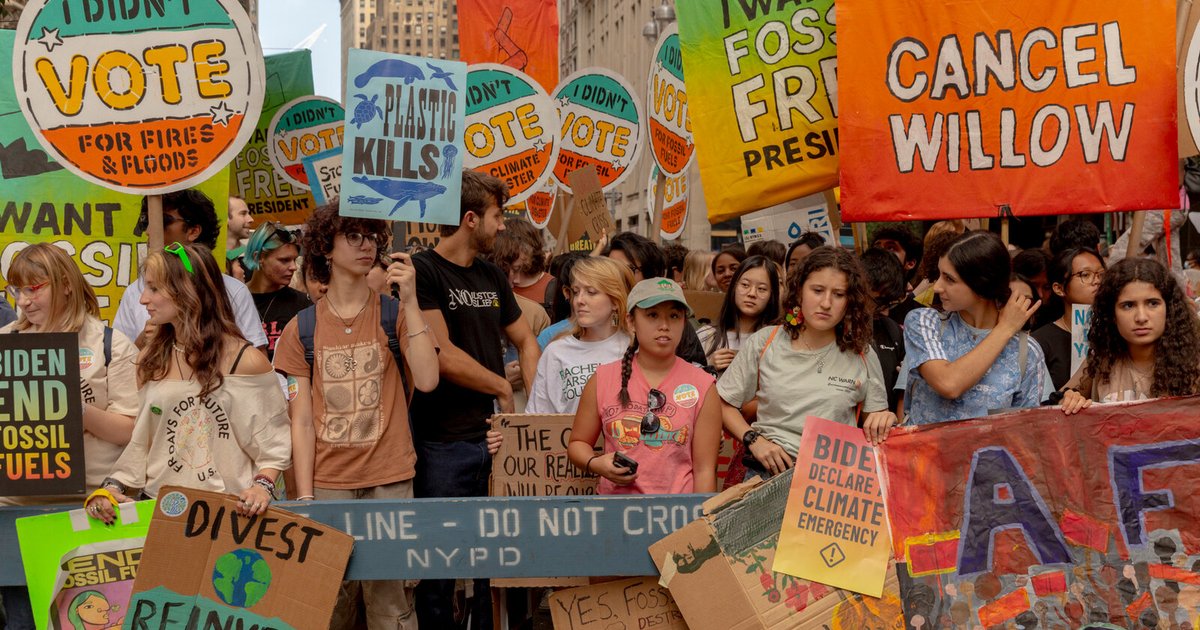
Tensions are escalating in Central American countries, where the region faces worsening political and economic crises that threaten its stability. Under these circumstances, popular protests and demands for change are on the rise, placing significant challenges on governments in addressing the current situations.
Reports indicate that economic crises have been exacerbated by the repercussions of the COVID-19 pandemic, with unemployment and poverty rates rising significantly. Additionally, rampant corruption in some governments intensifies the crises, leading to a loss of trust between citizens and their governments.
Details of the Events
Recently, many Central American countries, such as Guatemala, Honduras, and El Salvador, have witnessed massive demonstrations demanding improved living conditions and a crackdown on corruption. Authorities have used force to disperse protesters, resulting in heightened tensions in the streets.
Despite some governments' attempts to calm the situation by promising reforms, citizens remain disappointed. Polls have shown that a large percentage of the population does not trust their governments' ability to address the current crises.
Background & Context
Historically, Central American countries have suffered from political and economic instability, having experienced numerous civil wars and military coups. This historical background contributes to the exacerbation of current crises, as the effects of past conflicts continue to impact economic and social development.
Moreover, climate change plays a significant role in the crises, with natural disasters such as hurricanes and floods affecting agriculture and local economies, further increasing the suffering of the population.
Impact & Consequences
The current crises in Central America are affecting regional stability, as they may lead to an increase in illegal immigration towards the United States, placing additional pressures on borders and U.S. policies towards migrants.
These crises may also affect relationships between countries in the region, as some governments may seek to enhance cooperation among themselves to face common challenges, while tensions may rise between other countries that adopt different policies.
Regional Significance
The crises in Central America are significant for the Arab region, as they can impact economic and political relations between Arab countries and Latin American nations. Additionally, the increase in migration may have repercussions on regional security in Arab states.
Ultimately, the situation in Central America requires an effective response from the international community, as efforts must be combined to assist these countries in overcoming their crises and achieving stability and sustainable development.