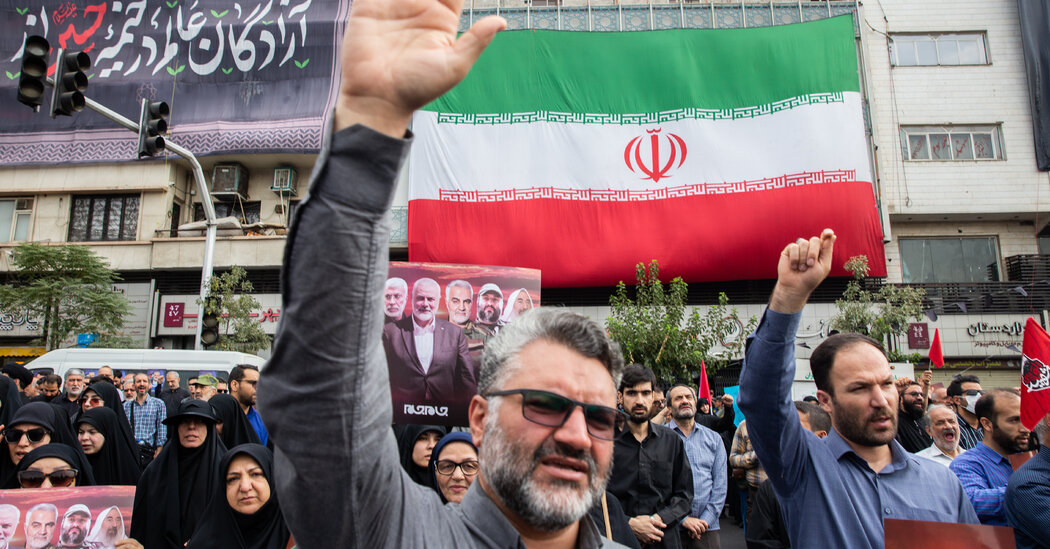
The Gulf region is witnessing escalating tensions, with Israel breathing a sigh of relief as crises between Iran and the United Arab Emirates intensify. This comes at a time when Iran is accused of launching drone attacks on Fujairah, further heightening military tensions in the area.
Pakistan, acting as a mediator between the two parties, is striving to achieve peace amidst deep-seated animosity and distrust between Iran and the United States. Despite the challenges, Pakistan is making earnest efforts to maintain its credibility as a neutral mediator.
Details of the Situation
Concerns are growing over a potential military escalation in the region, as Israel seems to hope that the conflict with Iran will not end before the overthrow of the ruling regime in Tehran. However, this approach could lead to further devastation in the region and pose a threat to global security.
At the same time, Gulf states remain cautious and exhibit restraint, fearing that the situation may spiral into chaos. It is important to note that all wars eventually come to an end, and the pressing question is: how and when will the war with Iran conclude?
Background & Context
Iran insists on lifting the American blockade on the Strait of Hormuz as a condition for reopening it to shipping traffic. In contrast, the United States refuses to decouple the blockade from reaching a comprehensive agreement regarding Iran's nuclear program.
Pakistan finds itself in a difficult position, as the mediation lacks the necessary trust to resolve the conflict. Nonetheless, Islamabad continues its behind-the-scenes efforts, focusing on maintaining its credibility as a mediator.
Impact & Consequences
Tensions in the Gulf are rising, which could lead to an undesirable military escalation. The continuation of the ceasefire indicates the parties' desire to work towards peace, despite existing challenges.
Diplomacy is a painstaking process that requires patience and flexibility. However, Islamabad is avoiding high-level meetings that may end in failure, instead concentrating on addressing contentious issues beforehand.
Regional Significance
Events in the Gulf directly impact security and stability in the Arab region. The escalation of tensions between Iran and the UAE places Gulf states in a precarious position as they seek to maintain stability amid volatile circumstances.
In conclusion, the current situation requires flexibility from all parties involved. The continuation of the stalemate could lead to dire consequences, necessitating a reevaluation of political and economic stances.