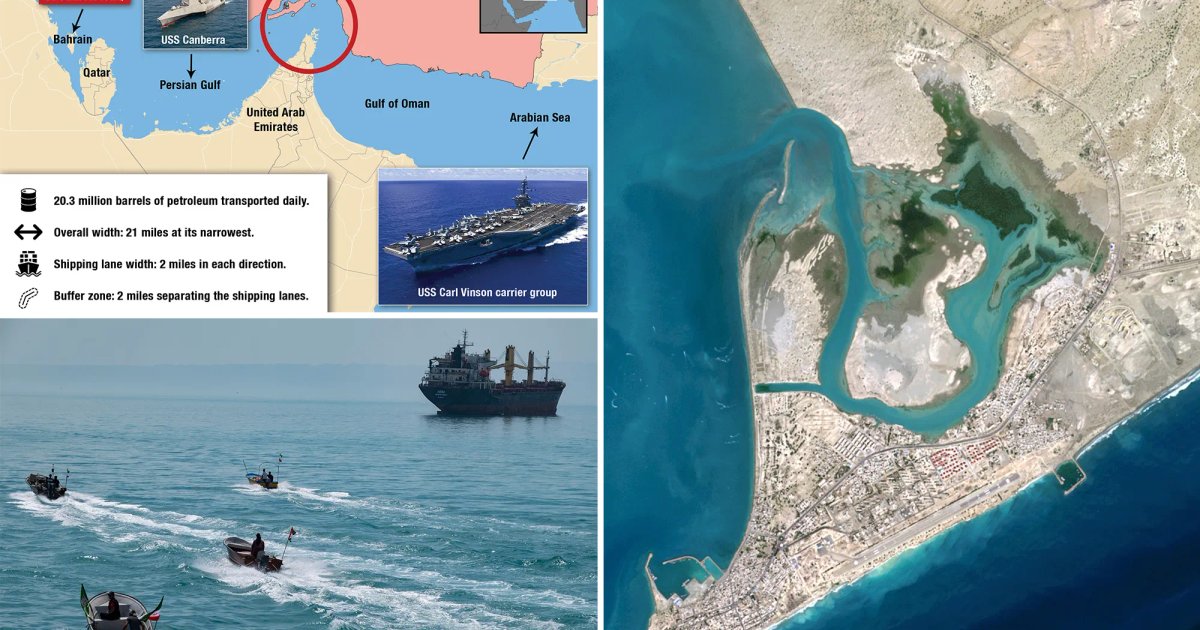
Tensions in the Hormuz Strait are escalating, with over 40 countries urgently calling for the restoration of shipping in the region. This move comes amid rising concerns about the impact of geopolitical crises on global trade. The Hormuz Strait is considered one of the most important waterways in the world, through which approximately 20% of the world's oil passes.
The concerned countries are striving to ensure the safety of maritime navigation in the strait, which has recently witnessed an escalation in military activities and tensions between major powers. Reports have confirmed that these countries are working to coordinate efforts to secure maritime routes, reflecting the growing concern over the impact of regional crises on the global economy.
Details of the Incident
In recent weeks, the Hormuz Strait has experienced repeated incidents, including attacks on oil tankers, leading to heightened tensions among the involved nations. Major powers, including the United States, have expressed their readiness to bolster their military presence in the region to ensure navigation safety.
Countries are seeking to form new alliances to ensure the stability of shipping, as this step represents a direct response to the challenges facing global trade. Officials have highlighted the importance of international cooperation in addressing these challenges, especially in light of the increasing crises in the region.
Background & Context
The Hormuz Strait is a vital point for global trade, with approximately 17 million barrels of oil passing through it daily. Historically, the strait has witnessed numerous crises, from the Gulf War in the 1990s to the current tensions between Iran and the United States. This historical background reflects the strategic importance of the strait.
In recent years, tensions have escalated due to Iranian military activities in the region, prompting Western nations to take stringent measures. These conditions have raised fears of potential military conflicts that could significantly impact shipping.
Impact & Consequences
Crises in the Hormuz Strait directly affect global oil prices, as any disruptions in shipping could lead to significant price increases. Markets have shown rapid reactions to any news related to tensions in the region, reflecting the strait's importance in the global economy.
Moreover, escalating tensions may lead to increased investments in maritime security, as countries seek to protect their economic interests. These dynamics could also affect international relations, as major powers compete for influence in the region.
Regional Significance
The Arab countries neighboring the Hormuz Strait are among the most affected by the current tensions, as many of these nations rely on oil exports. Any disruptions in shipping could negatively impact their economies, necessitating coordination among Arab nations to ensure regional stability.
In conclusion, the crisis in the Hormuz Strait remains a vital issue requiring ongoing international attention, as any escalation could lead to widespread repercussions on the global economy and regional stability.