The escalation related to the Hormuz Strait has raised tensions between the United States and Iran, as American pressure has shifted from general military threats to direct warnings of targeting Iranian energy infrastructure. President Donald Trump has threatened to destroy electricity facilities, oil wells, and the island of Kharg if the strait is not opened quickly, at a time when U.S. military buildup in the region is increasing and mutual strikes are expanding.
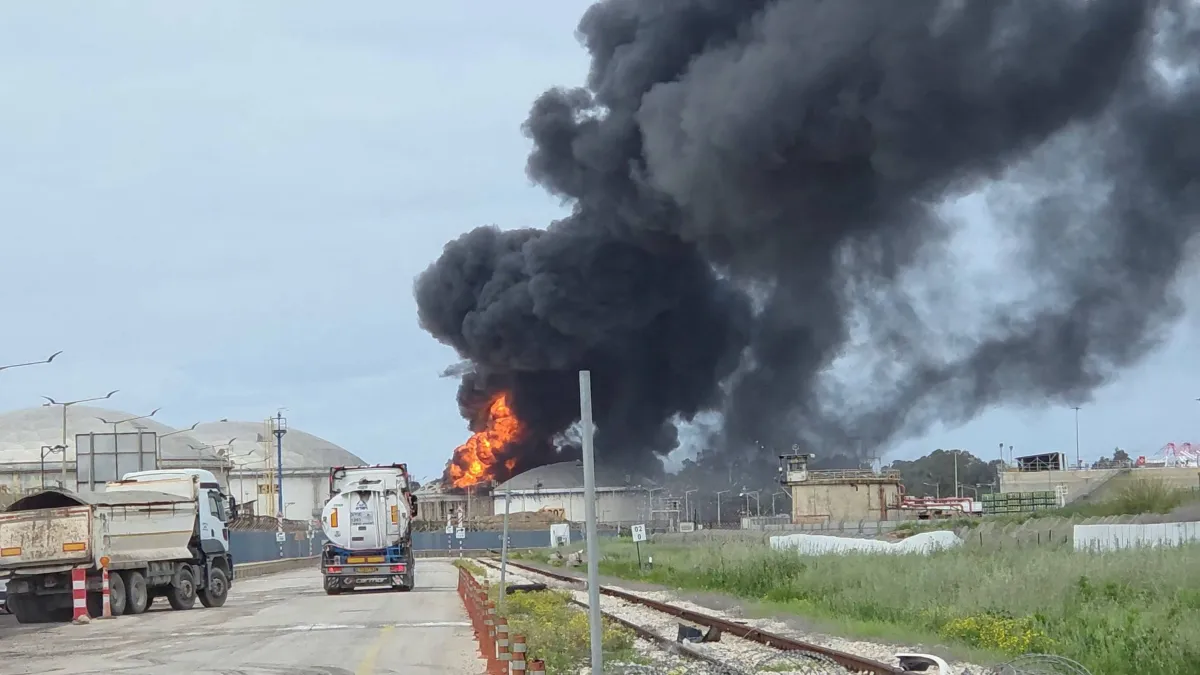
This escalation coincides with rapid military and political developments, as Trump vowed to respond to the attack on the Haifa refinery, while Secretary of State Marco Rubio pointed to divisions within the Iranian leadership. On the other hand, Tehran confirmed the death of Ali Reza Tangsiri, commander of the naval unit in the Revolutionary Guard, highlighting the importance of the maritime front in the current confrontation.
Details of the Incident
In a post on the "Truth Social" platform, Trump stated that there has been significant progress in talks with Iran, but warned that the United States would end its presence in Iran by completely destroying all power plants, oil wells, and the island of Kharg if an agreement is not reached soon. He also indicated that the list of targets could include all water desalination plants.
Trump linked any potential settlement to the opening of the strait, warning that its continued closure would lead to an expansion of American strikes on energy infrastructure. Despite his comments about diplomatic progress, he did not hesitate to threaten a broader military escalation, reflecting a state of increasing tension in the region.
Background & Context
The island of Kharg is of significant strategic importance, as nearly all of Iran's oil exports pass through it. Any targeting of its oil infrastructure or control over it would reduce Iranian oil exports, which represent a major source of income for Tehran. At the same time, any permanent American presence on the island would place U.S. forces close to the Iranian coast, increasing the risk of escalation.
On another front, the United States continues to bolster its military presence in the region, with several hundred special operations forces sent to the Middle East, raising the number of American troops in the area to over 50,000. This military buildup comes at a sensitive time, as pressures on Iran increase and mutual strikes between the two sides continue.
Impact & Consequences
The recent escalation could have serious repercussions for regional security, as the war could expand to include direct military operations. Additionally, any escalation in military operations could affect global energy markets, increasing pressures on the global economy. At the same time, any targeting of Iranian energy infrastructure could push Tehran to expand its response to vital facilities in the region.
Concerns are growing that this escalation could lead to a full-scale war, as any military operations could trigger cascading reactions from Iran, complicating the situation further. There are also fears that this war could exacerbate humanitarian crises in the region.
Regional Significance
The situation in the Hormuz Strait is particularly significant for Arab countries, as any escalation in the war could affect shipping traffic in the Arabian Gulf, which could negatively impact the economies of neighboring countries. Additionally, the conflict could lead to increased tensions between Arab countries and Iran, further complicating regional relations.
Under these circumstances, Arab countries must be prepared to deal with the repercussions of any potential escalation, whether through enhancing security cooperation or seeking diplomatic solutions to the crisis. The situation in the region requires vigilance and coordination among Arab countries to face the growing security challenges.