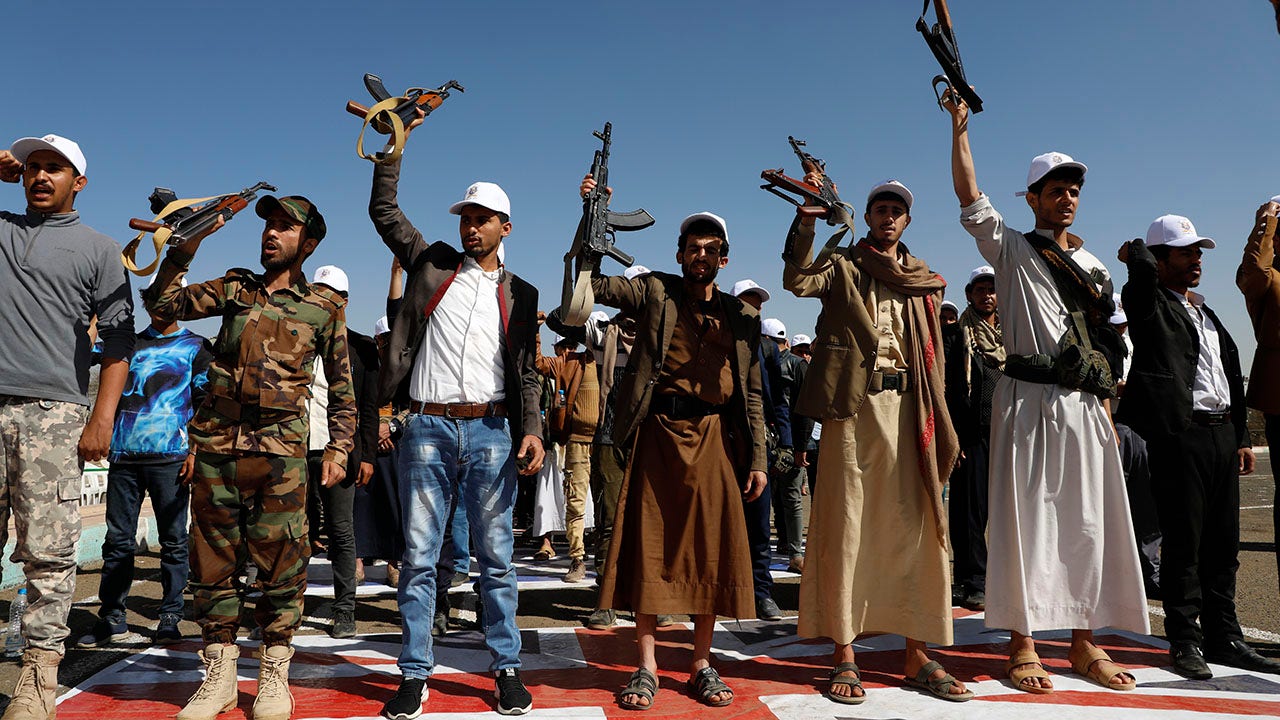
On the thirtieth day of the ongoing conflict between the United States and Israel on one side and Iran on the other, the Houthis in Yemen announced their determination to continue their attacks against targets associated with Iran. Meanwhile, sources within the US Department of Defense (the Pentagon) reported that preparations are underway for potential ground operations in the region, further escalating tensions in the Middle East.
These statements come at a critical time, as fears of a military escalation that could affect the stability of the entire region are on the rise. The Houthis, who are considered allies of Iran, confirmed that they will continue to target US and Israeli forces in the area, reflecting the increasing tensions between the involved parties.
Details of the Event
In an official statement, a spokesperson for the Houthis stated that they will continue to carry out attacks against targets they perceive as linked to US and Israeli aggression. He indicated that these attacks are part of a response to what he described as the crimes committed by the United States and Israel against the Iranian people.
On the other hand, sources at the Pentagon confirmed that plans are being prepared to execute ground operations if necessary. These plans come amid escalating threats from Iran and its allies, raising concerns about the potential for a comprehensive military conflict in the region.
Background & Context
Historically, relations between the United States and Iran have seen increasing tensions since the Iranian Revolution in 1979. Since then, the United States has pursued a policy of pressure on Iran, including imposing economic and military sanctions. In recent years, these tensions have significantly increased, especially following the US withdrawal from the Iranian nuclear agreement in 2018.
At the same time, the Houthi group in Yemen is considered one of Iran's most prominent allies in the region, having received military and logistical support from Tehran. This support has made the Houthis an influential force in the Yemeni conflict, complicating the security situation in the region.
Impact & Consequences
Many analyses predict that escalating tensions between the United States and Iran could lead to the outbreak of a comprehensive military conflict in the region. If US ground operations are executed, it could provoke strong reactions from Iran and its allies, including the Houthis, potentially intensifying the conflict.
Moreover, the Houthis' continued attacks could impact maritime navigation in the Red Sea, which could negatively affect the global economy, especially given the deteriorating economic conditions due to the COVID-19 pandemic.
Regional Significance
These developments are of significant importance to the Arab region, as they may affect the stability of neighboring countries such as Saudi Arabia and the UAE. Should the conflict escalate, these countries may find themselves compelled to intervene to protect their interests, increasing the likelihood of new conflicts in the region.
In conclusion, the situation in the Middle East remains complex, with regional and international interests increasingly overlapping. The international community must take effective steps to avoid escalating the conflict and work towards peaceful solutions that ensure regional stability.