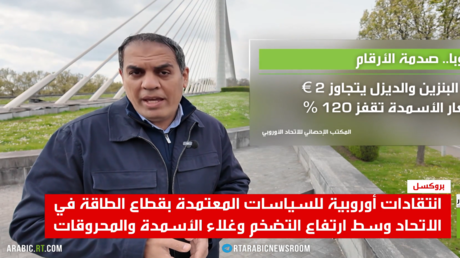
Slovak Prime Minister Robert Fico reported increasing tensions within the European Union due to the ongoing energy crisis, exacerbated by the conflict in the Middle East. This situation has led to significant challenges in securing energy supplies among member states, intensifying discussions regarding energy strategies.
Concerns are rising over the impact of the war in the Middle East on global energy markets, as European countries seek to reduce their dependence on traditional energy sources. Fico noted that member states are struggling to reach a consensus on effective strategies to address this crisis.
Event Details
In his statements, Fico emphasized that the current situation requires EU member states to take serious steps to address the energy crisis. He explained that some countries still rely heavily on gas and oil imports from conflict zones, exposing them to economic and political risks. He also called for enhanced cooperation among member states to develop renewable energy sources and reduce reliance on fossil fuels.
These remarks come at a sensitive time, as the war in the Middle East continues to affect energy markets. Oil and gas prices have experienced significant fluctuations, increasing pressure on European governments to secure energy supplies at reasonable prices.
Background & Context
Historically, Europe has relied heavily on energy supplies from the Middle East, particularly from countries like Russia and the Gulf states. With rising geopolitical tensions, it has become essential for European countries to reassess their energy strategies. The Russian invasion of Ukraine has accelerated this process, as European nations have sought to reduce their dependence on Russian gas.
In recent years, Europe has undergone significant shifts in its energy policies, focusing on enhancing renewable energy sources such as solar and wind power. However, many countries still face challenges in achieving this goal, particularly amid increasing political and economic crises.
Impact & Consequences
The current energy crisis is significantly impacting the European economy, as energy prices rise and affect living costs. This may lead to increased pressure on governments to provide financial support to affected households and businesses. Additionally, instability in energy markets could hinder economic growth in the region, raising fears of a potential recession.
Moreover, tensions among EU member states could exacerbate political divisions, hindering collaborative efforts to address crises. Under these circumstances, it becomes crucial to enhance dialogue and cooperation among member states to develop effective energy strategies.
Regional Significance
The Arab region is a crucial part of the global energy equation, with many Arab countries possessing significant reserves of oil and gas. As demand for energy in Europe increases, some Arab nations may benefit from this crisis by boosting their exports to European markets. However, ongoing conflicts in the Middle East could negatively impact the stability of these supplies.
Furthermore, shifts in European energy policies may affect Arab countries' investments in the energy sector, necessitating a reassessment of their economic strategies. In this context, it becomes essential for Arab nations to enhance regional cooperation and develop renewable energy sources to meet global market demands.
In conclusion, the current energy crisis emerges as one of the major challenges facing the European Union, requiring an effective response and cooperation among member states. The implications of this crisis extend to the Arab region, prompting Arab nations to take proactive steps to ensure the stability of energy supplies.