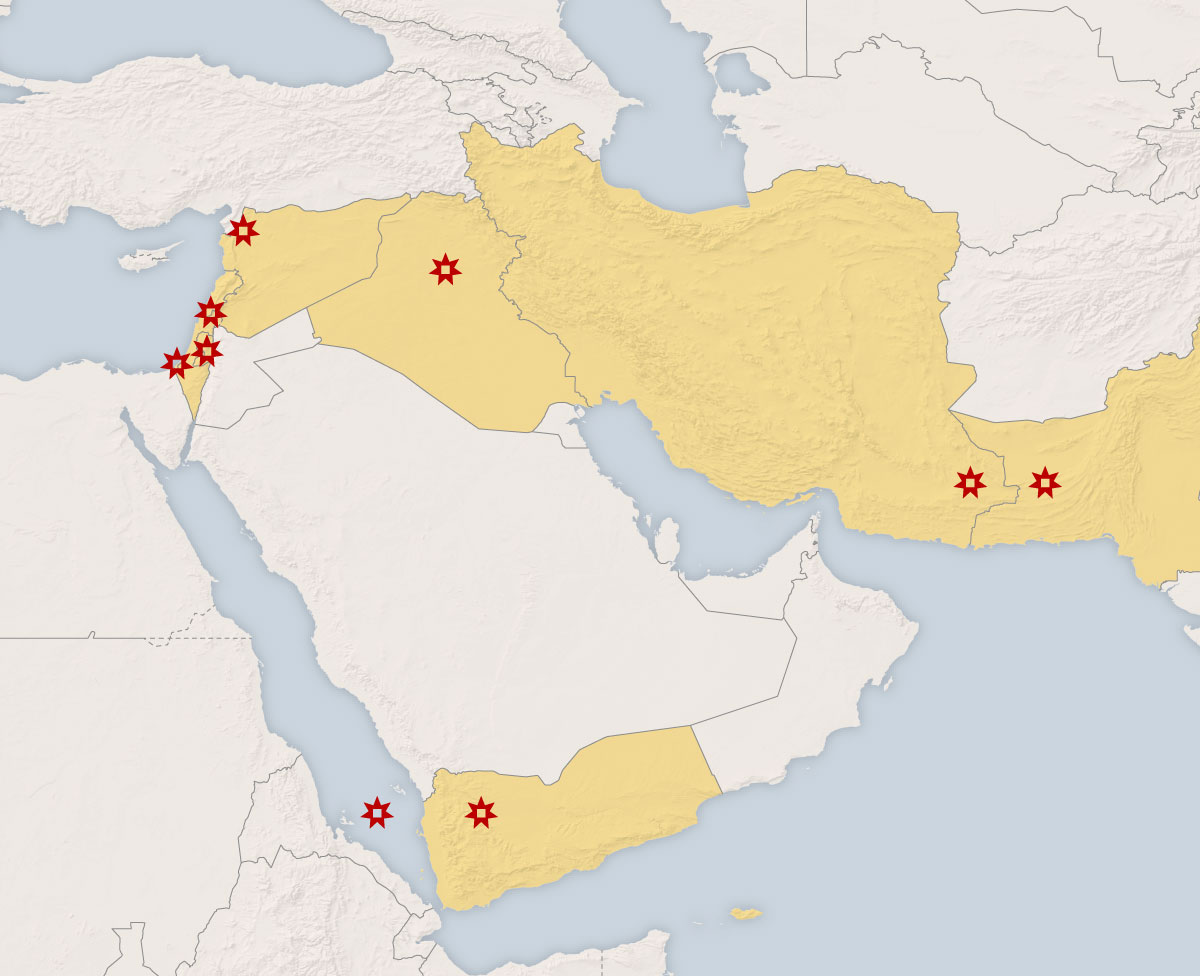
The conflict in Iran enters its second month, with involved parties continuing to escalate tensions, raising concerns about the humanitarian and political repercussions of this struggle. Reports indicate that the appetite for destruction and devastation among the conflicting parties is increasing, threatening to radically alter the region's landscape.
There are multiple dimensions surrounding this conflict, where regional and international interests intertwine in a complex manner. Iran, facing mounting pressures, seeks to maintain its influence in the region, while major powers aim to undermine this influence. This conflict is not limited to the military aspect alone but extends to economic and political dimensions affecting neighboring countries.
Details of the Conflict
Information suggests that the war may intensify over time, with military operations increasing in various regions of Iran. The humanitarian situation is deteriorating, with rising numbers of displaced persons and casualties. Additionally, the Iranian economy is suffering from the repercussions of this war, exacerbating the hardships faced by citizens.
At the same time, concerns are growing that this conflict could lead to greater escalation in the region, where other countries might intervene directly or indirectly. Military movements in the Red Sea and the Arabian Gulf reflect a state of alert among major powers.
Background & Context
Historically, relations between Iran and Western countries have seen increasing tensions, especially after the United States withdrew from the nuclear agreement in 2018. This withdrawal triggered a series of events that escalated the conflict, as Iran began taking steps to expand its nuclear program.
Regional alliances play a significant role in this conflict, with some Arab countries seeking to counter Iranian influence in the region. These dynamics reflect historical tensions between Sunni and Shia, complicating the political landscape further.
Impact & Consequences
The repercussions of the war on Iran extend beyond its borders, affecting the stability of neighboring countries. Humanitarian crises are worsening, placing pressure on neighboring states that are receiving refugees. This situation could exacerbate economic and social crises in those countries.
The conflict may also impact global oil prices, negatively affecting the global economy. Military movements in the region could lead to rising oil prices, increasing pressure on energy-dependent economies.
Regional Significance
Considering the potential impact on the Arab region, the conflict could lead to increased tensions between Arab states and Iran. Some countries may find themselves compelled to adopt more hardline stances, raising the likelihood of new conflicts erupting.
The humanitarian dimensions of this conflict are concerning, as humanitarian crises in neighboring countries could worsen. International support for these countries will be essential to alleviate human suffering.
In conclusion, the war on Iran remains open to all possibilities, with tensions continuing to escalate. It is crucial for the involved countries to remain aware of the implications of this conflict and work towards finding peaceful solutions to avoid further destruction and devastation.