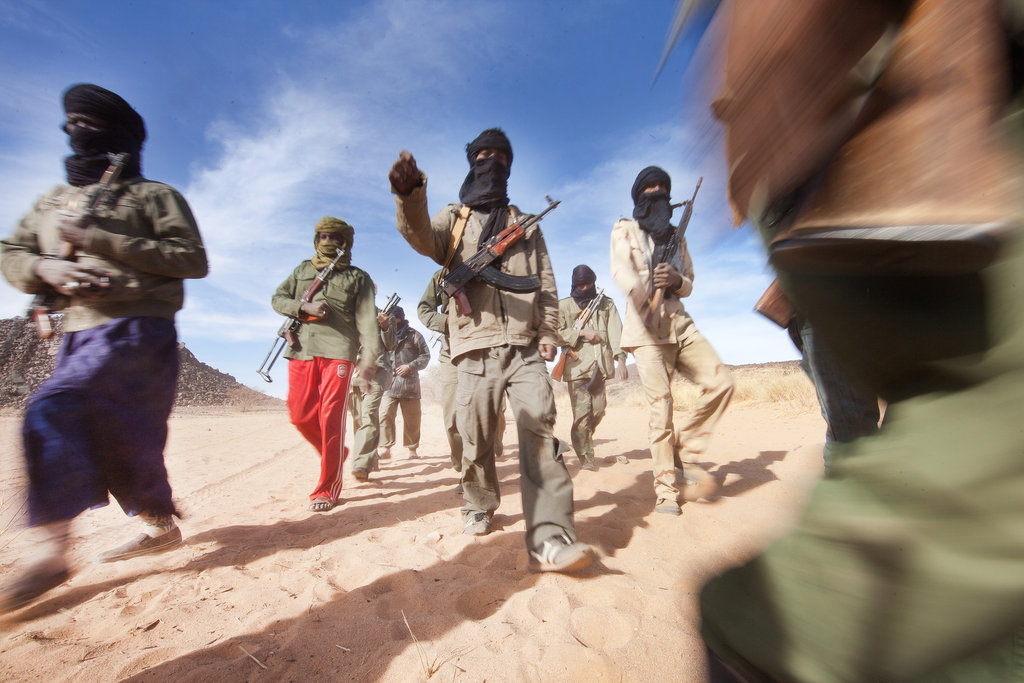
A spokesperson for the Tuareg rebels in Mali stated that the ruling military council "will fall sooner or later," amid increasing attacks by the Azawad Liberation Front. These remarks serve as a warning to the military council, which took power following a military coup in 2020. In recent years, Mali has witnessed a surge in armed conflicts, leading to a deterioration of security and humanitarian conditions in the country.
The attacks carried out by the Azawad Liberation Front, a rebel group seeking independence for the Azawad region in northern Mali, have been on the rise. Reports indicate that this group has successfully executed several operations against government forces, reflecting the worsening security situation in the country. Simultaneously, the Group for the Support of Islam and Muslims, linked to Al-Qaeda, continues its attacks in various regions of Mali, complicating the security landscape further.
Details of the Situation
These developments coincide with ongoing political tensions in the country, where the military council faces increasing criticism from the international community for its failure to achieve stability and security. The situation appears to be heading towards further escalation, raising concerns about the future of the nation.
Historically, Mali has experienced a series of military coups and armed conflicts since 2012, when rebel groups seized control of the northern part of the country. These events led to international intervention, including the deployment of French and African forces, but security challenges persist. Poverty, unemployment, and corruption are among the key factors exacerbating the situation in Mali.
Background & Context
The Tuareg group seeks to achieve their cultural and political rights, and in recent years, there has been a noticeable increase in their armed activities. In the absence of effective political solutions, the conflict in Mali seems likely to continue for an extended period, further increasing the suffering of local populations.
The recent statements from the Tuareg rebels could lead to an escalation of the conflict in the country, which may negatively impact humanitarian conditions. If attacks continue, the government may face greater challenges in controlling the security situation, potentially worsening humanitarian crises across the nation.
Impact & Consequences
The rise in violence could also affect international efforts to support Mali, as investments and humanitarian aid may decline in light of the deteriorating conditions. It is crucial for the government to take effective steps to address these challenges; otherwise, the situation may spiral into further chaos.
As the violence escalates, the implications for neighboring countries could also be significant, potentially increasing tensions and encouraging extremist groups. The international community must remain vigilant and proactive in addressing the underlying issues in Mali to prevent a broader regional crisis.
Regional Significance
The situation in Mali is particularly important for the Arab region, as instability there can have ripple effects on neighboring countries. The ongoing conflict and humanitarian crises could lead to increased migration and security threats across borders.
In conclusion, the developments in Mali require urgent attention from both national and international stakeholders to foster stability and peace in the region. Without concerted efforts, the cycle of violence and instability is likely to persist, further complicating the lives of those affected.