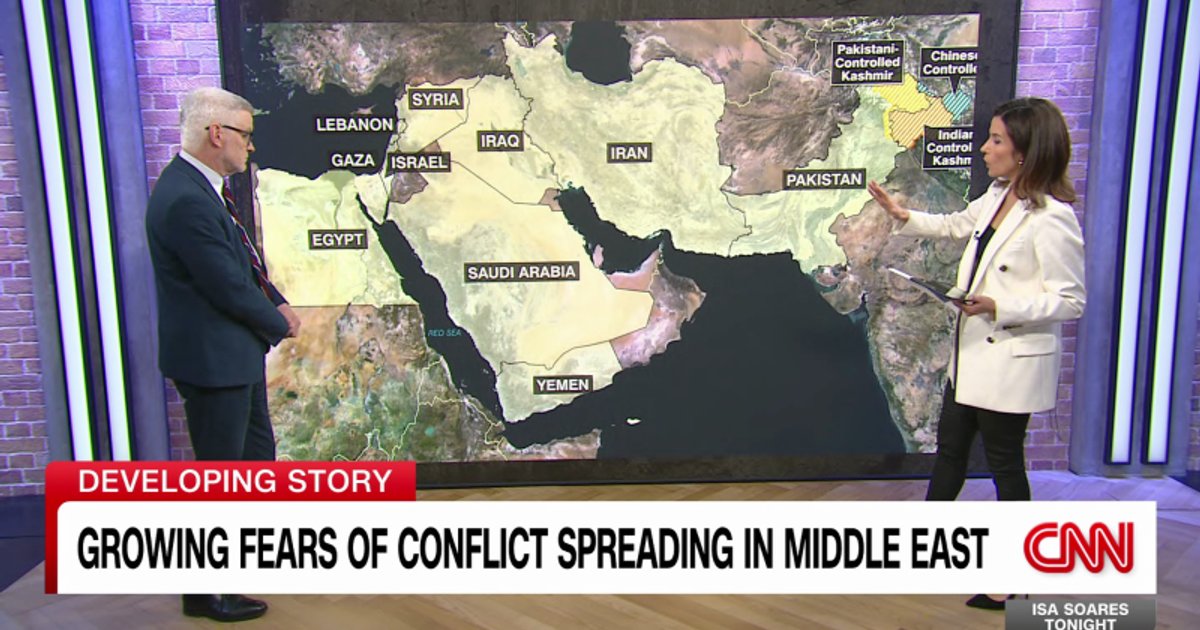
The Arab region has recently experienced a notable escalation in conflicts among regional powers, raising concerns among many observers. Tensions are increasing between several countries, which is reflected in regional stability and affects international relations.
The political and economic interests among these powers are intertwined, complicating the landscape further. While some countries seek to enhance their influence, new challenges are emerging that require a swift and effective response from the international community.
Details of Recent Events
In the context of recent events, reports have noted an increase in military and political activities among the concerned countries. Data has shown that there are intensive military movements, in addition to exchanges of hostile statements among some leaders.
These events also include diplomatic moves aimed at calming the situation, but tensions appear to persist. Some analysts have indicated that these moves could lead to greater escalation if not handled with caution.
Background & Context
Historically, the region has witnessed numerous conflicts resulting from the intertwining of regional and international interests. Factors such as natural resources and geographical borders have contributed to the exacerbation of these conflicts.
Moreover, the political changes that some countries have experienced in recent years, such as the Arab Spring, have significantly impacted regional balances. This change has led to the emergence of new powers on the scene, complicating relations among countries.
Impact & Consequences
These conflicts directly affect regional stability, as they can exacerbate humanitarian crises and increase the number of displaced persons. Additionally, military tensions may impact the regional economy, increasing the suffering of populations.
Furthermore, these events could lead to external interventions, complicating the situation further. Some experts have pointed out that peaceful solutions require joint efforts from all concerned parties.
Regional Significance
These events serve as a wake-up call for the Arab region, highlighting the need to enhance cooperation among Arab countries to face common challenges. There is also a necessity to develop effective strategies to deal with crises.
Under these circumstances, Arab countries must work to enhance dialogue and understanding, avoiding escalation that could lead to catastrophic outcomes. Stability in the region requires joint efforts and effective cooperation among all parties.