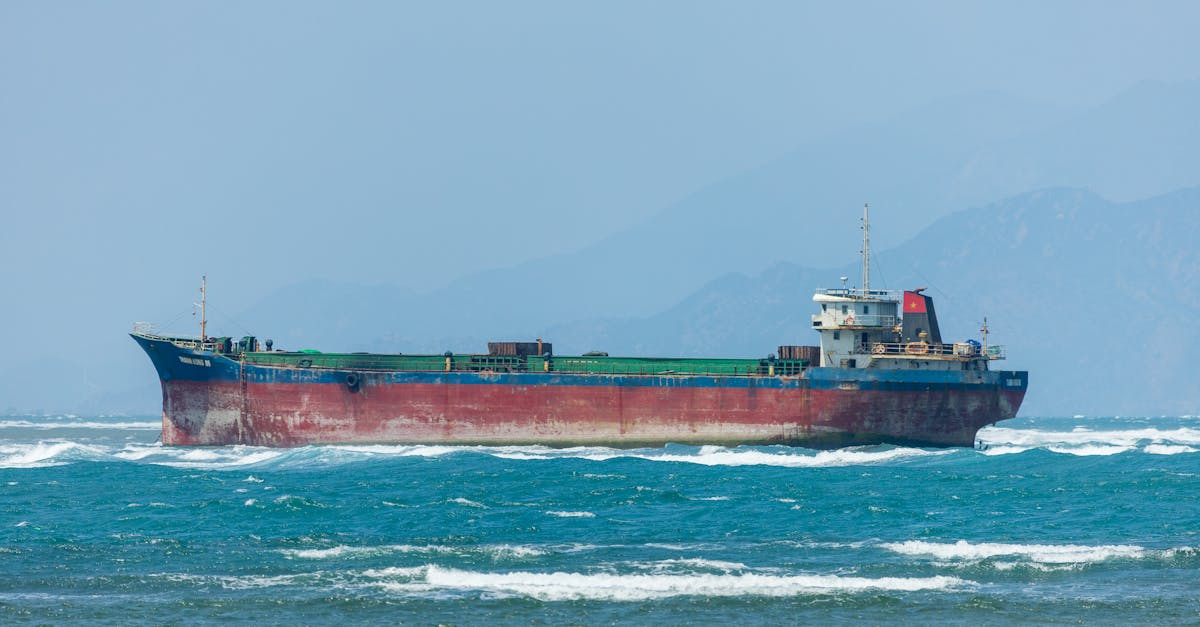
Amid rising tensions in the Gulf region, U.S. President Donald Trump has set a deadline for Iran to reopen the Strait of Hormuz, threatening further attacks on civilian infrastructure. This comes as Tehran rejected a ceasefire proposal, intensifying the crisis in the area.
During an interview with Bloomberg, Trump emphasized the importance of reopening the strait, which is a vital artery for global oil trade. This statement is part of a broader U.S. strategy aimed at pressuring Iran to curb its military activities in the region.
Details of the Event
Trump indicated that the deadline he set for Iran is part of U.S. efforts to protect its interests and those of its allies in the Gulf. This statement has elicited mixed reactions from Gulf countries, which are seeking to strengthen their partnerships with other nations to counter Iranian threats.
For its part, Iran has reaffirmed its rejection of the ceasefire proposal, reflecting its determination to continue its regional policy. Tehran has stated that any U.S. threats will not deter it from achieving its strategic objectives in the region.
Background & Context
Historically, the Strait of Hormuz has been a point of tension between Iran and the United States, through which approximately 20% of the world's oil passes. The region has witnessed numerous military and political events that have contributed to escalating situations, including attacks on oil tankers.
In recent years, Iran has increased its influence in the region by supporting militias in Iraq, Syria, and Lebanon, raising concerns among Gulf states and the United States. These activities have led to economic sanctions against Iran, significantly impacting its economy.
Impact & Consequences
Analysts expect that U.S. threats will escalate tensions in the region, which could negatively affect oil prices and global markets. Additionally, any military escalation could have severe humanitarian consequences for civilians in the area.
Furthermore, the continuation of tensions may drive Gulf countries to seek new partnerships with other nations, potentially altering the balance of power in the region. This may require Gulf states to reassess their security and defense strategies.
Regional Significance
The current events in the Gulf are of great importance to Arab countries, as any escalation could impact security and stability across the entire region. Additionally, relations between Arab states and Iran may be significantly affected due to these tensions.
Under these circumstances, Arab countries must enhance their cooperation and coordinate efforts to address security and economic challenges. Diplomatic dialogue may be the only way to avoid further escalation in the region.