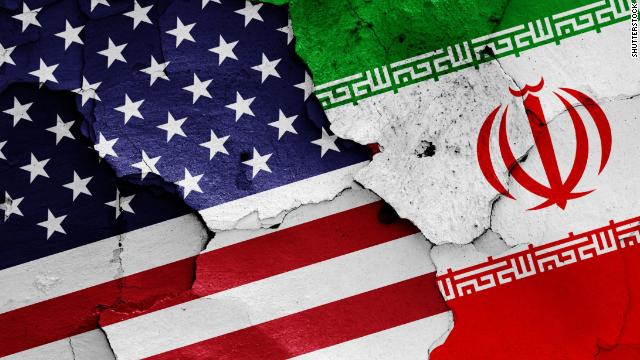
Futures for the S&P 500 index rose by 0.6% this morning in New York, reflecting a sense of optimism in financial markets despite escalating tensions in the Gulf region. At the same time, U.S. and Israeli forces continue their attacks on Iranian facilities, while Iran retaliated by launching missiles across the Arabian Gulf, resulting in another spike in oil prices.
These events occur amid rising geopolitical tensions in the region, where relations between Iran and the United States have significantly deteriorated since Washington's withdrawal from the nuclear agreement in 2018. These tensions have heightened concerns about the stability of the oil market, which is vital for the global economy.
Details of the Incident
In the early hours of this morning, reports indicated that U.S. and Israeli forces launched new attacks on sites in Iran, targeting facilities believed to be linked to its nuclear program. In a swift reaction, Iran fired missiles across the Gulf, escalating tensions in the region. These events come at a sensitive time, as the world seeks to recover from the impacts of the COVID-19 pandemic and heavily relies on stable oil prices.
Concerns are growing that these escalations could lead to a larger conflict, potentially affecting global oil supplies. Oil prices have seen a significant increase in recent days, exceeding $80 per barrel, reflecting rising anxiety in the markets.
Background & Context
Historically, relations between Iran and the United States have been tense since the Islamic Revolution in 1979. These relations have experienced numerous fluctuations, but the current tensions are considered among the most severe in years. The U.S. withdrawal from the nuclear agreement in 2018 and the imposition of stringent economic sanctions on Iran have exacerbated the situation, prompting Iran to take escalatory steps in its nuclear program.
The Arabian Gulf is one of the most sensitive regions in the world, through which a significant portion of global oil supplies passes. Any escalation in conflict could significantly impact global markets and lead to sharp fluctuations in oil prices.
Impact & Consequences
Analyses suggest that continued escalation between Iran and the United States could lead to a substantial increase in oil prices, which may affect the global economy as a whole. Oil-consuming countries, such as China and the United States, may face challenges in securing their supplies, potentially leading to higher prices for consumers.
Moreover, any military escalation could result in unforeseen consequences, including the possibility of a full-scale military conflict in the region. This scenario would have negative implications for both regional and international stability.
Regional Significance
For Arab countries, the rising tensions in the Gulf could lead to an increase in oil prices, which may have both positive and negative effects on their economies. Oil-producing countries, such as Saudi Arabia and the UAE, may benefit from rising prices, while importing countries may face economic pressures.
Additionally, the tense situation could lead to increased migration and displacement from conflict-affected areas, exacerbating humanitarian challenges in the region. Under these circumstances, Arab countries must take proactive steps to ensure their economic and social stability.