American analyses indicate that the war on Iran has evolved from a quick conflict into a long-term war of attrition. As the conflict enters its second month, illusions of control are dissipating and costs are rising.
The United States and Israel are waging their war on Iran not only through missiles and fighter jets but also through conflicting narratives that each side seeks to promote, suggesting that victory is imminent. However, the widening gap between rhetoric and reality reveals a more complex and dangerous struggle.
Details of the Conflict
American magazines Newsweek and Foreign Policy have addressed this unraveling from different angles. In a Newsweek article, the editorial board noted that both sides are under the influence of what is called “copium”, a term that refers to the narratives people use to deceive themselves to justify difficult realities.
Tehran and Washington are promoting comfortable versions of reality, where Iranian propaganda produces extensive digital content, much of it generated by artificial intelligence, portraying Iran as a victorious party. However, this image is illusory, as Iran faces significant military losses and a decline in its offensive capabilities.
Background & Context
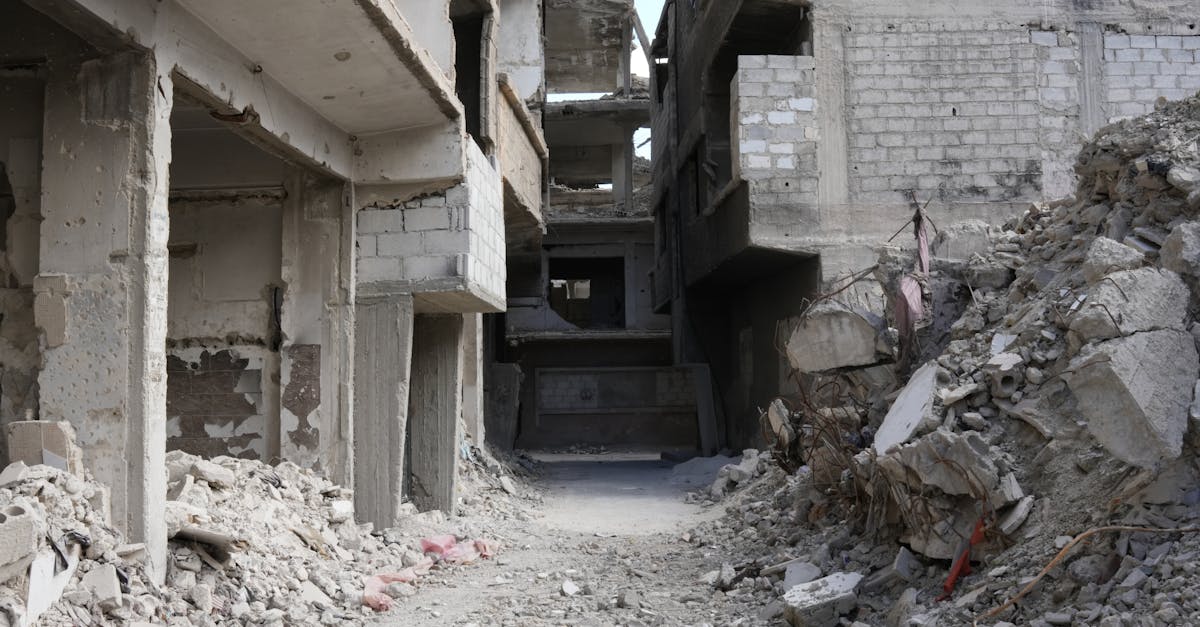
The Newsweek editorial board considers the death of the late Supreme Leader Ali Khamenei in the opening strike of the war to be a symbolic turning point, as his successor, Mostafa Khamenei, faces challenges in consolidating his authority. The Iranian military infrastructure has also suffered extensive damage due to American and Israeli strikes.
Despite Tehran's ability to disrupt navigation in the Strait of Hormuz, its capacity for complete control over this vital passage remains limited. At the same time, Newsweek also criticized the White House, noting that the administration of former President Donald Trump promoted the idea that the war would be quick and decisive, but timelines have changed, and the end of the war remains unclear.
Impact & Consequences
A recent survey showed that 59% of Americans believe that the United States is on an escalatory path, while allies are hesitant to engage in the war. Voices within the Republican Party have begun calling for a clarification of the exit strategy, reflecting growing concerns about the cost of the war and its impact on the American economy.
On the other hand, Foreign Policy provided a deeper analytical reading, considering that the war has spiraled out of the control of its architects. Experts believe that one of the most significant miscalculations lies in the belief that escalation could be managed, which may lead to greater escalation in the conflict.
Regional Significance
Iran seeks to transform the war from a firepower conflict into a war of attrition, which could raise the costs of operations for its adversaries. Additionally, expanding the scope of attacks to include other maritime corridors could turn the conflict into a confrontation over the “global trade routes,” directly affecting the stability of the region.
Overall, analyses reveal a more complex landscape in the Middle East, where costs are rising and opportunities for diplomatic resolution are dwindling, signaling further escalation in the future.