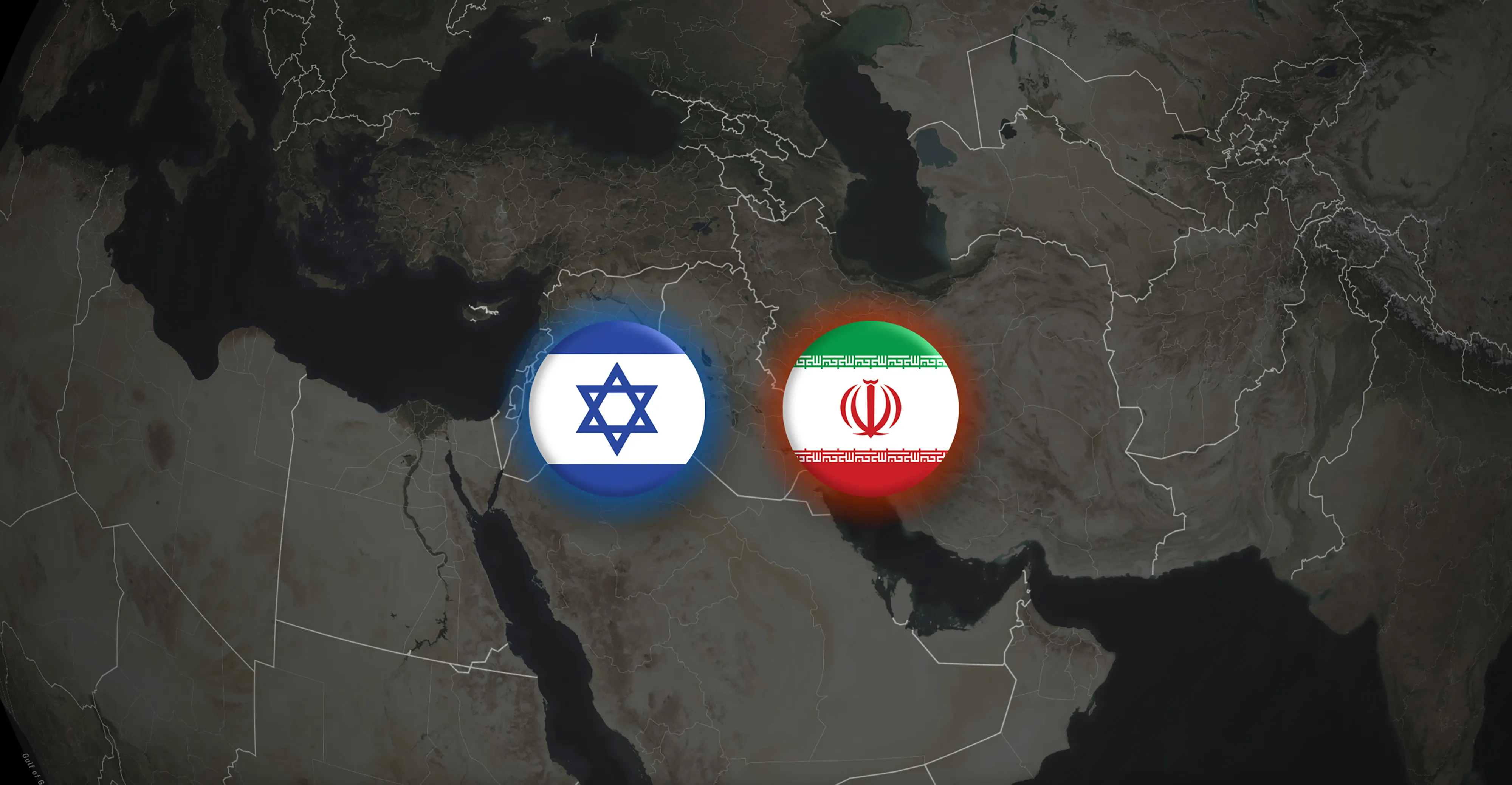
The war between the United States and Israel against Iran enters its twenty-ninth day, with rising tensions in the region. Concerns grow over a larger military escalation and its impact on regional security. As US forces continue to bolster their presence in the area, Iran responds with increasing threats against Western interests.
These developments come amid rising international concern over the consequences of the conflict, with many countries calling for de-escalation. Military sources have confirmed that military operations are ongoing, focusing on Iranian targets in Iraq and Syria.
Details of the Conflict
In recent days, military reports have noted an escalation in air and naval operations between US and Israeli forces on one side, and Iranian forces on the other. Several Iranian military sites in Iraq have been targeted, resulting in the deaths of a number of armed personnel. Military sources have also confirmed that US warplanes have conducted intensive strikes on Iranian bases in Syria, further heightening tensions.
At the same time, Iran has issued new threats against the United States and its allies, asserting that it will respond forcefully to any aggression. Iranian officials have indicated that the response will be unpredictable, increasing anxiety in the region.
Background & Context
The roots of the current conflict trace back years of tensions between Iran and the United States, which significantly escalated after Washington's withdrawal from the Iranian nuclear deal in 2018. Since then, the United States has imposed severe economic sanctions on Iran, leading to a deterioration of the country's economic situation and rising public discontent.
On the other hand, Iran seeks to enhance its regional influence by supporting armed militias in Iraq, Syria, and Lebanon, which has led to increased tensions with Israel, who views Iran as an existential threat. In recent years, there have been numerous military clashes between the two sides, complicating the situation in the region.
Impact & Consequences
Analyses indicate that the continuation of the conflict could have serious repercussions for regional and international security. An increase in military operations could lead to unprecedented escalation, potentially dragging other countries into the conflict. Furthermore, ongoing tensions could affect oil prices and global financial markets, as the Middle East is one of the world's most significant oil-producing regions.
Moreover, this war could exacerbate humanitarian crises in the region, where civilians suffer from the effects of the ongoing conflict. International organizations have warned that military escalation could lead to an increase in the number of displaced persons and refugees, putting additional pressure on neighboring countries.
Regional Significance
Arab countries neighboring Iran and the United States find themselves in a precarious position, as they are concerned about the implications of the conflict on their security and stability. Countries such as Iraq, Syria, and Lebanon have experienced direct impacts from the conflict, as pro-Iran militias are present there. Gulf countries are also worried about the possibility of tensions escalating to a level that threatens their security.
In light of these circumstances, many Arab nations are seeking to enhance security cooperation among themselves to address potential threats. Some countries have begun conducting security consultations to strengthen their capacity to respond to any military escalation in the region.
In conclusion, the situation in the region remains tense, with the ongoing war between the United States and Israel against Iran. The current situation requires urgent diplomatic action to avoid further escalation, as peace and stability in the region depend on the ability of the involved parties to reach peaceful solutions.