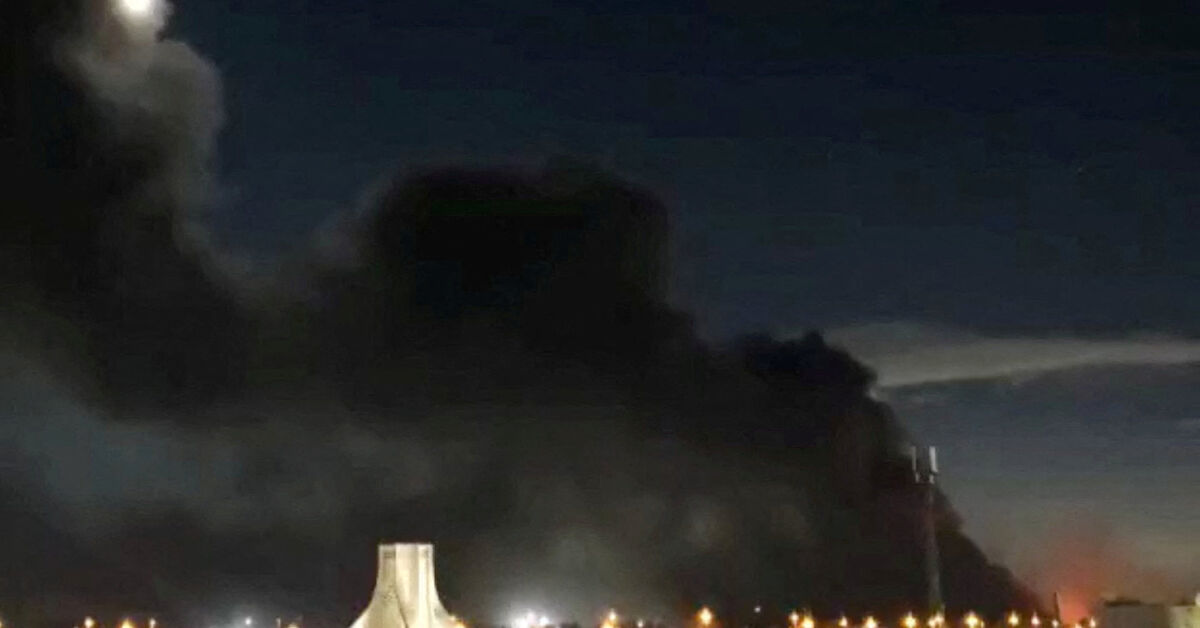
In a serious development reflecting the rising tensions in the Middle East, the Kremlin announced on Monday that the war in Iran is heading towards a greater escalation, both in terms of geographical scope and economic impact. The Kremlin spokesperson indicated that the situation in the region has become 'on fire' due to the attacks launched by the United States and Israel against the Islamic Republic.
These statements come at a sensitive time, as U.S. President Donald Trump threatened in a social media post to target vital facilities in Iran, including power plants and bridges, if the Strait of Hormuz is not reopened. This strait is considered one of the most important maritime passages in the world, through which about 20% of the world's total oil passes.
Details of the Event
Concerns are growing that this escalation could lead to a full-scale military conflict in the region, as U.S. forces continue to bolster their presence in the Gulf. The Kremlin has noted that military escalation could negatively impact the global economy, especially given the heavy reliance on Iranian oil.
Moreover, Israeli attacks on Iranian sites in Syria have heightened tensions, raising questions about regional stability. This comes at a time when Iran is suffering from significant economic pressures due to U.S. sanctions, complicating the situation further.
Background & Context
Historically, the Middle East has witnessed numerous conflicts with far-reaching implications, with Iran always at the heart of these struggles. Since the U.S. withdrawal from the Iranian nuclear deal in 2018, tensions have notably escalated, leading to a series of retaliatory attacks between Iran and the United States and its allies.
Iran is considered a major regional power, exerting significant influence over events in Iraq, Syria, and Lebanon, making it a primary target of U.S. and Israeli policies. These dynamics have led to heightened military tensions, threatening the outbreak of a comprehensive conflict.
Impact & Consequences
If these tensions continue to escalate, they could have serious repercussions for regional and international security. Any military confrontation could affect global oil prices, negatively impacting the world economy. The conflict could also lead to an influx of refugees and increased instability in neighboring countries.
Furthermore, military escalation could open the door to greater international interventions, complicating the situation even further. Under these circumstances, there is growing concern that the conflict could lead to a full-scale war in the region, which everyone is striving to avoid.
Regional Significance
Arab countries neighboring Iran, such as Iraq and Syria, are the most affected by the current tensions. These countries are already suffering from internal crises, and any escalation could exacerbate the humanitarian situations within them. Gulf states, which rely on regional stability, may face new challenges under these circumstances.
In conclusion, the situation in the Middle East remains complex and requires intensive diplomatic efforts to avoid military escalation. The current tensions pose a significant challenge to regional security, necessitating that all parties work towards peaceful solutions.